Cuts In Federal Funding Shut Down Vaccine Clinics Amid Measles Surge
By Bram Sable-Smith and Arielle Zionts and Jackie Fortiér, KFF Health News
More than a dozen vaccination clinics were canceled in Pima County, Arizona.
So was a media blitz to bring low-income children in Washoe County, Nevada, up to date on their shots.
Planned clinics were also scuttled in Texas, Minnesota, and Washington, among other places.
Immunization efforts across the country were upended after the federal Centers for Disease Control and Prevention abruptly canceled $11.4 billion in covid-related funds for state and local health departments in late March.
A federal judge temporarily blocked the cuts last week, but many of the organizations that receive the funds said they must proceed as though they’re gone, raising concerns amid a resurgence of measles, a rise in vaccine hesitancy, and growing distrust of public health agencies.
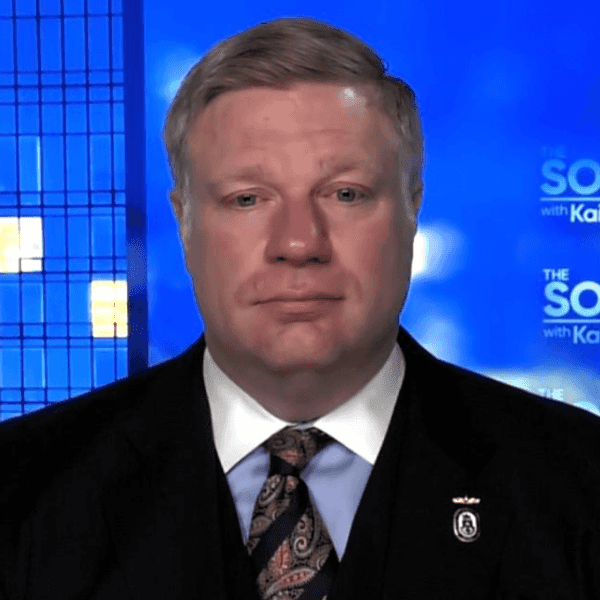
“I’m particularly concerned about the accessibility of vaccines for vulnerable populations,” former U.S. surgeon general Jerome Adams told KFF Health News. Adams served in President Donald Trump’s first administration. “Without high vaccination rates, we are setting those populations and communities up for preventable harm.”
The Department of Health and Human Services, which houses the CDC, does not comment on ongoing litigation, spokesperson Vianca Rodriguez Feliciano said. But she sent a statement on the original action, saying that HHS made the cuts because the covid-19 pandemic is over: “HHS will no longer waste billions of taxpayer dollars responding to a non-existent pandemic that Americans moved on from years ago.”
Still, clinics have also used the money to address other preventable diseases such as flu, mpox, and measles. More than 500 cases of measles so far in a Texas outbreak have led to 57 hospitalizations and the deaths of two school-age children.
In Pima County, Arizona, officials learned that one of its vaccination programs would have to end early because the federal government took away its remaining $1 million in grant money. The county had to cancel about 20 vaccine events offering covid and flu shots that it had already scheduled, said Theresa Cullen, director of the county health department. And it isn’t able to plan any more, she said.
The county is home to Tucson, the second-largest city in Arizona. But it also has sprawling rural areas, including part of the Tohono O’odham Nation, that are far from many health clinics and pharmacies, she said.
The county used the federal grant to offer free vaccines in mostly rural areas, usually on the weekends or after usual work hours on weekdays, Cullen said. The programs are held at community organizations, during fairs and other events, or inside buses turned into mobile health clinics.
Canceling vaccine-related grants has an impact beyond immunization rates, Cullen said. Vaccination events are also a chance to offer health education, connect people with other resources they may need, and build trust between communities and public health systems, she said.
County leaders knew the funding would run out at the end of June, but Cullen said the health department had been in talks with local communities to find a way to continue the events. Now “we’ve said, ‘Sorry, we had a commitment to you and we’re not able to honor it,’” she said.
Cullen said the health department won’t restart the events even though a judge temporarily blocked the funding cuts.
“The vaccine equity grant is a grant that goes from the CDC to the state to us,” she said. “The state is who gave us a stop work order.”
The full effect of the CDC cuts is not yet clear in many places. California Department of Public Health officials estimated that grant terminations would result in at least $840 million in federal funding losses for its state, including $330 million used for virus monitoring, testing, childhood vaccines, and addressing health disparities.
“We are working to evaluate the impact of these actions,” said California Department of Public Health Director Erica Pan.
In Washoe County, Nevada, the surprise cuts in federal funding mean the loss of two contract staffers who set up and advertise vaccination events, including state-mandated back-to-school immunizations for illnesses such as measles.
“Our core team can’t be in two places at once,” said Lisa Lottritz, division director for community and clinical health services at Northern Nevada Public Health.
She expected to retain the contractors through June, when the grants were scheduled to sunset. The health district scrambled to find money to keep the two workers for a few more weeks. They found enough to pay them only through May.
Lottritz immediately canceled a publicity blitz focused on getting children on government insurance up to date on their shots. Vaccine events at the public health clinic will go on, but are “very scaled back” with fewer staff members, she said. Nurses offering shots out and about at churches, senior centers, and food banks will stop in May, when the money to pay the workers runs out.
“The staff have other responsibilities. They do compliance visits, they’re running our clinic, so I won’t have the resources to put on events like that,” Lottritz said.
The effect of the cancellations will reverberate for a long time, said Chad Kingsley, district health officer for Northern Nevada Public Health, and it might take years for the full scope of decreasing vaccinations to be felt.
“Our society doesn’t have a collective knowledge of those diseases and what they did,” he said.
Measles is top of mind in Missouri, where a conference on strengthening immunization efforts statewide was abruptly canceled due to the cuts.
The Missouri Immunization Coalition, which organized the event for April 24-25, also had to lay off half its staff, according to board president Lynelle Phillips. The coalition, which coordinates immunization advocacy and education across the state, must now find alternative funding to stay open.
“It’s just cruel and unthinkably wrong to do this in the midst of a measles resurgence in the country,” Phillips said.
Dana Eby, of the health department in New Madrid County, Missouri, had planned to share tips about building trust for vaccines in rural communities at the conference, including using school nurses and the Vaccines for Children program, funded by the CDC.
New Madrid has one of the highest childhood vaccination rates in the state, despite being part of the largely rural “Bootheel” region that is often noted for its poor health outcomes. Over 98 percent of kindergartners in the county received the vaccine for measles, mumps, and rubella in 2023-24 compared with the state average of about 91 percent, and rates in some other counties as low as 61 percent.
“I will say I think measles will be a problem before I retire,” Eby, 42, said.
Also slated to speak at the Missouri event was former surgeon general Adams, who said he had planned to emphasize the need for community collaboration and the importance of vaccinations in protecting public health and reducing preventable diseases. He said the timing was especially pertinent given the explosion in measles cases in Texas and the rise in whooping cough cases and deaths in Louisiana.
“We can’t make America healthy again by going backwards on our historically high U.S. vaccination rates,” Adams said. “You can’t die from chronic diseases when you’re 50 if you’ve already died from measles or polio or whooping cough when you’re 5.”
Reprinted with permission from Daily Kos.