Tag: pope leo xiv
'The Least Of Us': Catholic Teachings On Life And Trump's Death Penalty Spree

'The Least Of Us': Catholic Teachings On Life And Trump's Death Penalty Spree

There was certainly a lot on the agenda when Pope Leo XIV recently met with Marco Rubio: the pontiff sharing the message of the gospel; the secretary of State, a Catholic, trying his best, no doubt, to make peace after the American president dragged the pope into a back-and-forth on war and peace.

And, by official accounts, it went well.

They met “to discuss the situation in the Middle East and topics of mutual interest in the Western Hemisphere,” according to the State Department. “The meeting underscored the strong relationship between the United States and the Holy See and their shared commitment to promoting peace and human dignity.”

Human dignity.

I didn’t hear whether the conversation ever turned to the Trump administration’s recent pledge to ramp up executions for those who’ve received the death penalty after being convicted of federal crimes, a move signaled by Donald Trump on his first day back in office.

The Justice Department, in a statement released in April, said that “among the actions taken are readopting the lethal injection protocol utilized during the first Trump Administration, expanding the protocol to include additional manners of execution such as the firing squad, and streamlining internal processes to expedite death penalty cases.”

Other proposals included expanding the kinds of crimes eligible for the ultimate penalty.

To get around state laws that forbid the death penalty or certain methods of carrying it out, the Justice Department proposed finding a state that would allow it to do whatever it wants. Mostly, the current administration seemed eager to reverse the checks put in place by the Biden administration and its Attorney General Merrick B. Garland.

The Catholic Church is pretty clear on this.

Language in the Catechism of the Catholic Church at one time had approved, though hardly enthusiastically, the death penalty in “very rare, if not practically nonexistent” circumstances. But in 2018, under Pope Francis’ leadership, it was revised to read that “a new understanding has emerged of the significance of penal sanctions imposed by the state,” thus “the death penalty is inadmissible,” as reported in the Vatican News.

Pope Leo, the first American pope, strongly affirmed that “the dignity of the person is not lost even after very serious crimes are committed,” in a video message released in April to a gathering at DePaul University marking the 15th anniversary of the abolition of the death penalty in Illinois.

Believing in the sanctity of life from conception to natural death is not so difficult to understand when you’re talking about the innocence of those yet to be born. Even most women and men who believe in choice will admit that from the moment the doctor first announced, “You’re going to have a baby,” it was a baby, with a life of future possibility.

The challenge is when that life does not come with a clean slate, when the person with life hanging in the balance is a prisoner on death row, convicted of a heinous crime, awaiting an ultimate punishment deemed justified by a court and jury of his or her peers.

But following Catholic teachings has always been a challenge, especially when political leaders you support may contradict the message you hear at Sunday Mass.

Bolstered by friendly Supreme Court rulings, the Trump team has never hesitated to blur the line between church and state. And though polls show general public disapproval of this secular and religious mix, I don’t expect the administration’s actions to change, not as long as white evangelicals remain loyal.

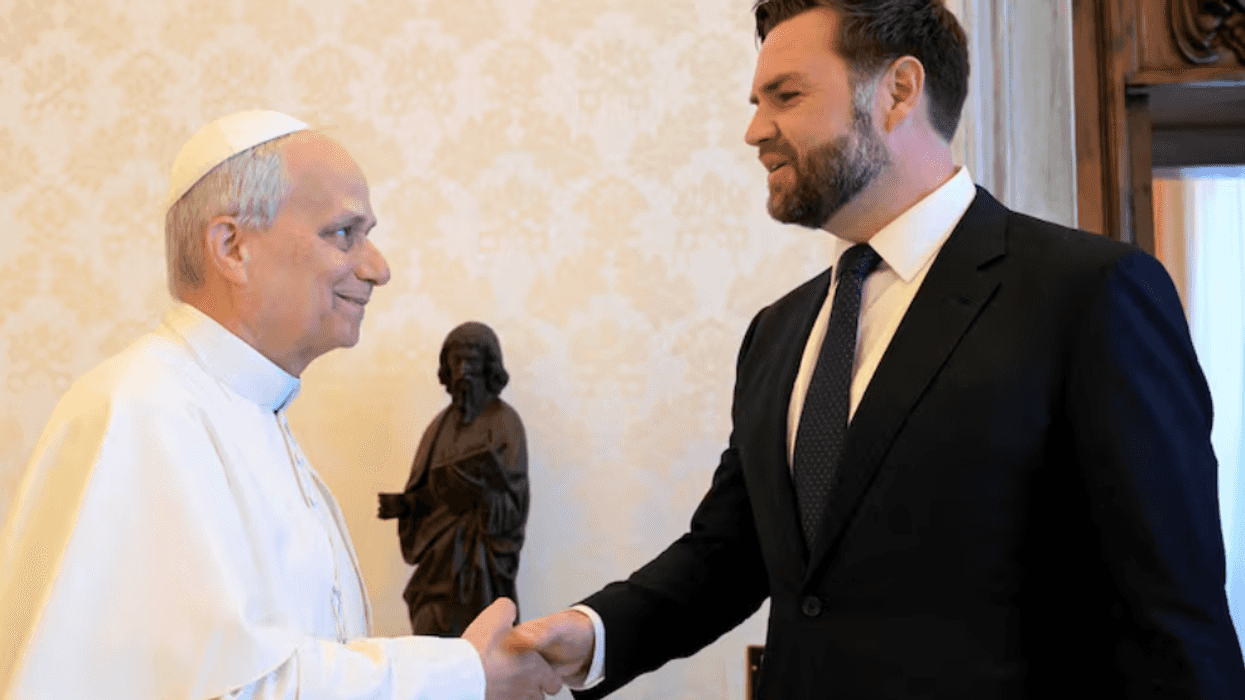
Considering this wearing of religion on its collective sleeve, it’s interesting that I haven’t heard a peep from vocal Catholics in the administration on the death penalty pronouncement. Vice President JD Vance, who writes and speaks often about his conversion to the faith, spends more time lecturing the Augustinian Pope Leo on the fine points of Catholic teachings — and the words of St. Augustine.

I wonder why he chose a faith he so often disagrees with.

I’d like to ask if their consciences are clear about the clash between what their faith demands and what their administration requires.

I don’t expect anyone in an administration that is rushing prisoners to execution and shortening the time they and their lawyers have to fight to be moved by inequalities in the criminal justice system.

It’s no coincidence that the poor, minorities, the marginalized, and those described in religious texts as “the least of us” are the ones who most often end up without adequate representation or attention in the courts or on death row.

When I interviewed anti-death penalty activist Sister Helen Prejean, author of Dead Man Walking, on the Slate “What Next” podcast several years ago, she spoke about an upcoming execution spree in the state of Oklahoma. She was just one voice for men with severe mental illness, personal histories of childhood abuse, inadequate legal representation, or claims of innocence.

“The least of us.”

Somehow, I feel her voice is one Pope Leo, Pope Francis and the Catholics I grew up around would recognize.

Whether someone lives or dies should be the most important question of all, I reason, especially for those who profess that all life is sacred.

Mary C. Curtis has worked at The New York Times, The Baltimore Sun, The Charlotte Observer, as national correspondent for Politics Daily, and is a senior facilitator with The OpEd Project. She is host of the CQ Roll Call “Equal Time with Mary C. Curtis” podcast. Follow her on X @mcurtisnc3.

Reprinted with permission from Roll Call
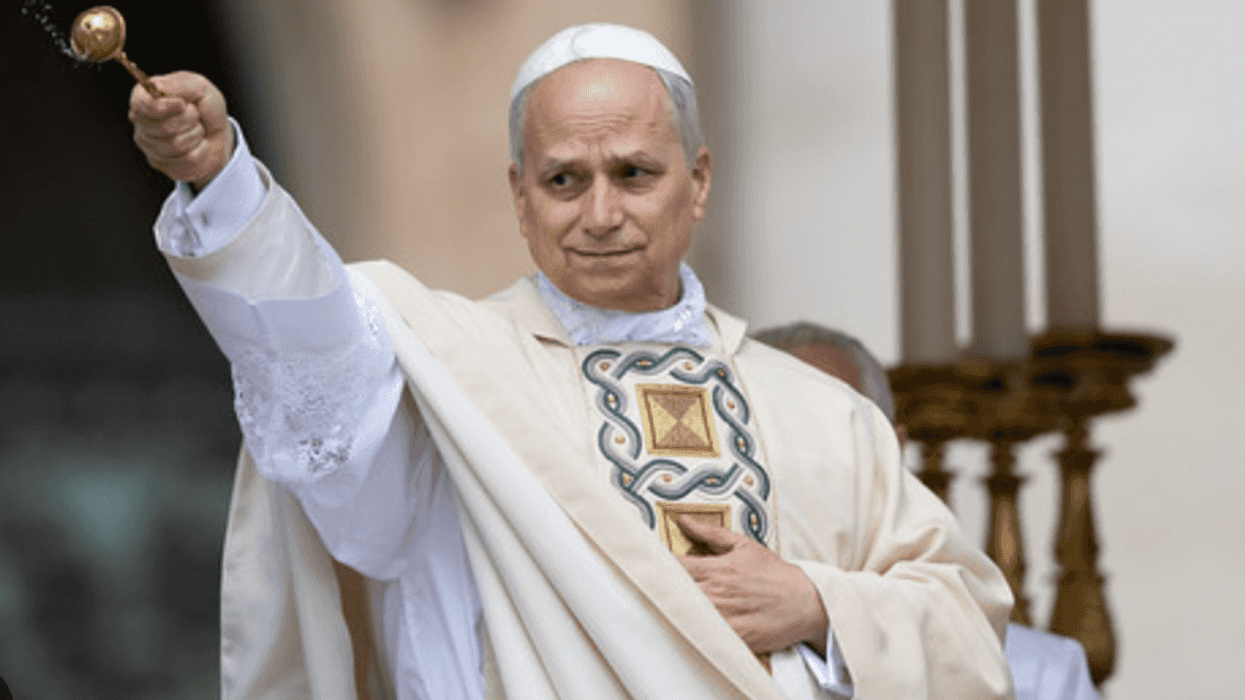
Pope Leo XIV

Dismissing Trump And Vance, Leo Denounces World's Warmongering 'Tyrants'

Pope Leo XIV clearly believes he answers to a higher authority than the president of the United States. On Thursday, he defied demands from Donald Trump and others in his presidential orbit, and once again weighed in on world affairs.

During a visit to Cameroon, the pope warned that the world is “being ravaged by a handful of tyrants.” The leader of the Catholic Church also noted, “Blessed are the peacemakers! But woe to those who manipulate religion and the very name of God for their own military, economic, and political gain, dragging that which is sacred into darkness and filth.”

His visit was centered around the separatist conflict that has ravaged that region of the world, and he did not mention Trump by name, but it is impossible to ignore the parallels between Leo’s faith-based condemnation and Trump’s actions.

Trump has attacked Iran and threatened to kill that nation’s entire civilization. On social media, Trump posted an AI-generated image of himself as Jesus Christ. Secretary of Defense Pete Hegseth has constantly spoken about the attack on Iran purportedly being executed in the name of God and has asserted that America’s actions in the region are holy.

The pope has condemned the war and called for peace, which has raised the ire of the Trump team. Trump accused the pope of being “WEAK on Crime” for his opposition to the war, while Vice President JD Vance said the pope should “be careful when he talks about matters of theology,” and implied that his comments opposing the conflict as an unjust war were not “anchored in the truth.”

Clearly, the pope is not abiding by the Trump administration’s demands for his silence.

Simultaneously, he received institutional support from the U.S. Conference of Catholic Bishops. In a release on Wednesday, the conference released a statement asserting that the pope’s comments were a part of the “long tradition” of the Catholic Church’s “just war theory.”

“The consistent teaching of the Church is insistent that all people of good will must pray and work toward lasting peace while avoiding the evils and injustices that accompany all wars,” said Bishop James Massa, chairman of the conference’s committee on doctrine.

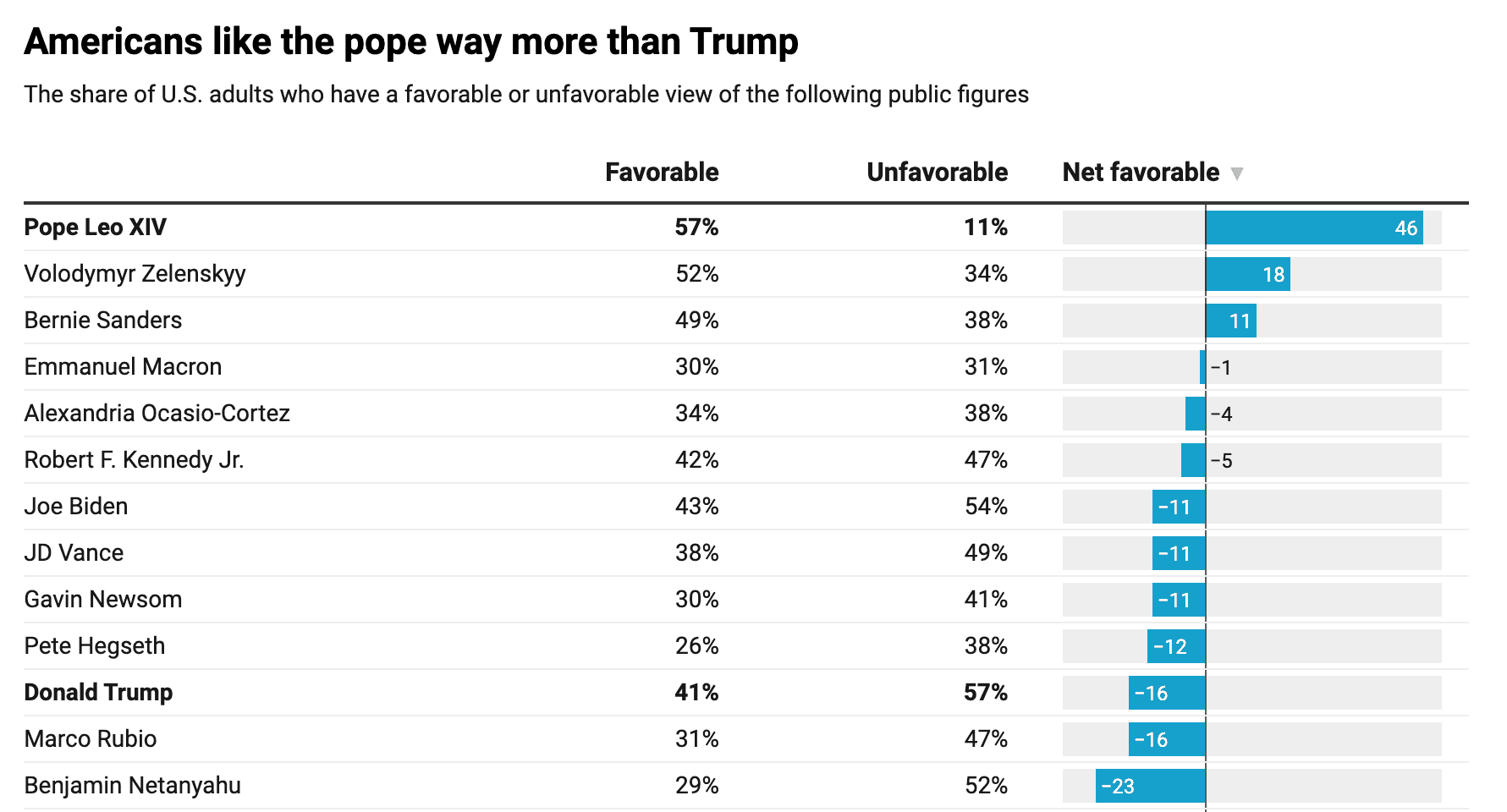
Unlike Trump, whose approval rating has declined by double digits since being sworn in last year, the pope is popular. In a Gallup poll conducted last July, Pope Leo XIV had a 57 percent favorability rating and was the most popular of the 14 newsmakers surveyed. In that same poll, Trump had a 41 percent favorability rating.

Source: Gallup Survey conducted July 7-21, 2025, among 1,002 U.S. adults, with a margin of error of ±4 percentage points.Table by Andrew Mangan Created with Datawrapper
Before he took aim at the leader of their faith, American Catholics were turning on Trump after he chose to attack Iran, with polls showing his support among the group falling under 50 percent.

Directly attacking the pope, telling him to shut up about world affairs, and posting blasphemous imagery of the most important figure in the Christian religion is not likely to help Trump—with Catholics or anyone else.

Reprinted with permission from Daily Kos

Amid Trump Feud With Pope, White House Kills Catholic Charities' Migrant Program

Amid Trump Feud With Pope, White House Kills Catholic Charities' Migrant Program

Amid President Donald Trump’s escalating feud with Pope Leo XIV, the Trump administration has canceled an $11 million contract with Catholic Charities in Miami, Florida, to shelter and care for migrant children who enter the U.S. unaccompanied, a relationship that dates back to the 1960s, the Miami Herald reports.

“The U.S. government has abruptly decided to end more than 60 years of relationship with Catholic Charities in the Archdiocese of Miami,” Archbishop Thomas Wenski wrote, according to the Miami Herald. “The Archdiocese of Miami’s services for unaccompanied minors have been recognized for their excellence and have served as a model for other agencies throughout the country.”

Catholic Charities was contracted to operate a full-service child welfare program in the Miami-Dade area.

Our track record in serving this vulnerable population is unmatched. Yet, the Archdiocese of Miami’s Catholic Charities’ services for unaccompanied minors has been stripped of funding and will be forced to shut down within three months,” Archbishop Wenski noted.

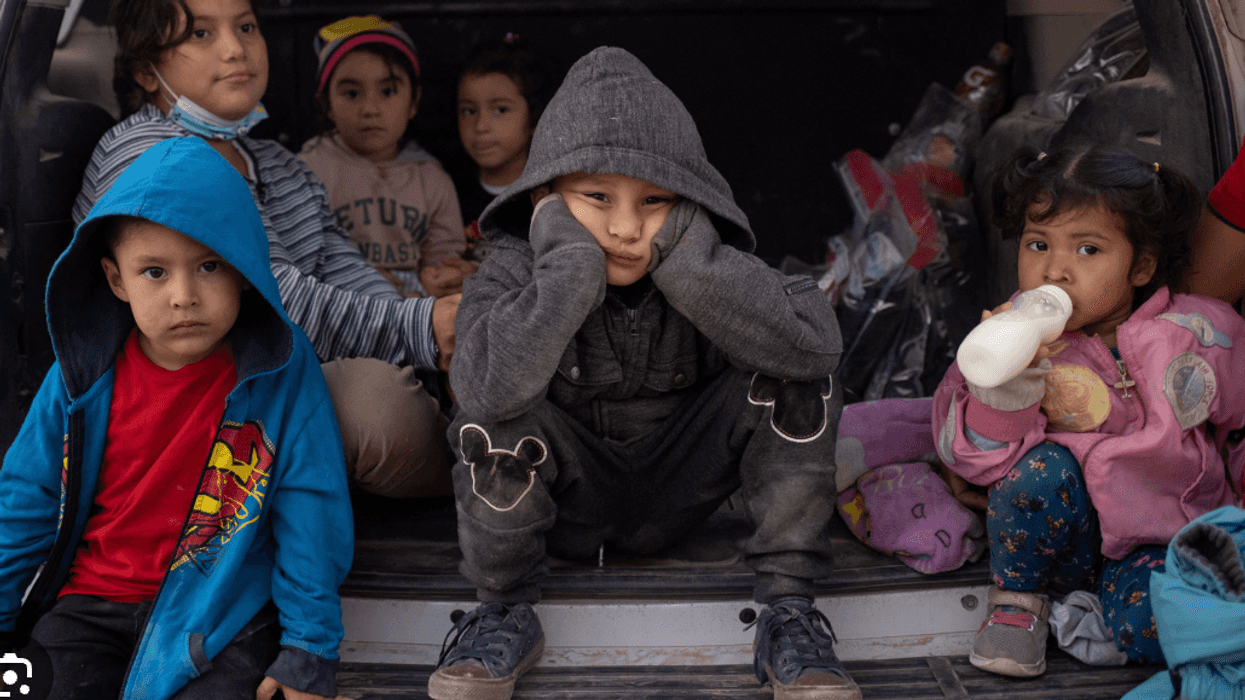
The Trump administration is citing a reduction in unaccompanied minors crossing the border, which the archdiocese acknowledges. But that population still exists, and it is unknown how many children will be uprooted and relocated, or where they will go.

The Department of Health and Human Services described the daily population of unaccompanied migrant children in the agency’s care as “significantly lower,” than it had been under the Biden administration.

Health and Human Services’ press secretary Emily G. Hillard suggested that the Office of Refugee Resettlement’s closure of unused facilities “continues efforts to stop illegal entry and the smuggling and trafficking of unaccompanied alien children.”

But Wenski called it “baffling that the U.S. government would shut down a program that it would be hard-pressed to replicate at the level of competence” shown by the church.

Describing being moved as “incredibly psychologically harmful” to the children, Robert Latham, associate director of the University of Miami Law School’s Children and Youth Law Clinic, “said any relocation to a new foster home or shelter likely would be traumatic for children who already have suffered uncertainty and loss.”

“For little kids, moving repeatedly creates bonding issues and destroys the sense of both self and community. They don’t know who they are and where they will be” from day to day, he said.

“God does not bless any conflict,” Pope Leo wrote on social media. “Anyone who is a disciple of Christ, the Prince of Peace, is never on the side of those who once wielded the sword and today drop bombs. Military action will not create space for freedom or times of #Peace, which comes only from the patient promotion of coexistence and dialogue among peoples.”

The Guardian called it a “rebuke” over the Iran war, and noted that while the Pope did not name names, his post criticized attempts to use religion to glorify the U.S. war in the Middle East.

Trump responded to the Pope’s remarks, saying that he had “nothing to apologize for,” and stated that the Pope was “wrong.”

The pope has continued his opposition to the Iran war.

On Tuesday, he wrote, “God’s heart is torn apart by wars, violence, injustice and lies. But our Father’s heart is not with the wicked, the arrogant, or the proud. God’s heart is with the little ones and the humble, and with them He builds up His Kingdom of love and peace day by day. Wherever there is love and service, God is there.”

Just days ago, Trump told reporters, “We don’t like a pope that’s gonna say that it’s okay to have a nuclear weapon. We don’t want a pope that says, crime is okay in our cities. I don’t like it. I’m not a big fan of Pope Leo. He’s a very liberal person, and he’s a man that doesn’t believe in stopping crime. He’s a man that doesn’t think that we should be toying with a country that wants a nuclear weapon so they can blow up the world.”

Trump also recently described the Pope as “Weak on Nuclear Weapons.”

Reprinted with permission from Alternet

Top Pentagon Official Confronted Vatican Ambassador With Menacing 'Lecture'

Top Pentagon Official Confronted Vatican Ambassador With Menacing 'Lecture'

Pope Leo XIV chronicler Christopher Hale says he has confirmed that Trump’s Pentagon threatened to declare war on the Vatican.

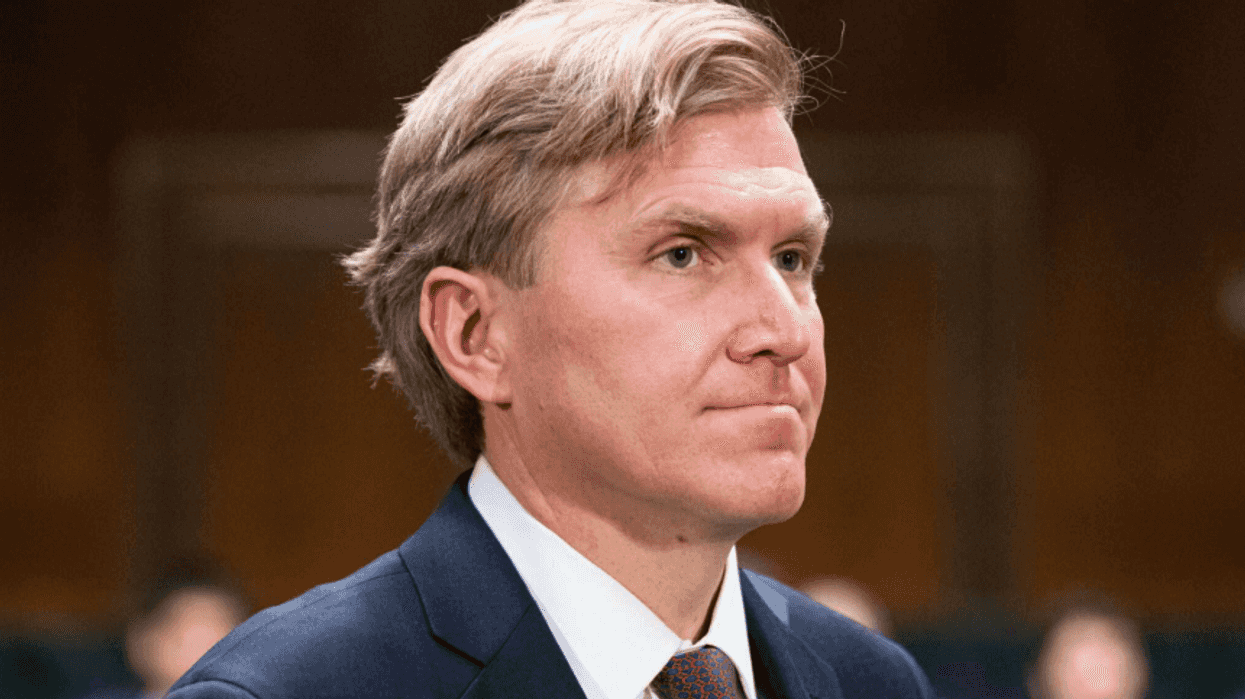
“In January, behind closed doors at the Pentagon, Under Secretary of Defense for Policy Elbridge Colby summoned Cardinal Christophe Pierre — Pope Leo XIV’s then-ambassador to the United States — and delivered a lecture,” said Hale.

“America has the military power to do whatever it wants in the world,” Colby and his associates informed the cardinal. “The Catholic Church had better take its side.”

As the room temperature grew, Hale said, one U.S. official “reached for a fourteenth-century weapon and invoked the Avignon Papacy, the period when the French Crown used military force to bend the bishop of Rome to its will.”

Hale said the report confirms that the Vatican had reason to decline the Trump-Vance White House’s invitation to host Pope Leo XIV for America’s 250th anniversary in 2026 two weeks after the confrontation.

Citing a Free Press report, the writer obtained accounts from Vatican and U.S. officials briefed on the Pentagon meeting. According to his sources, Colby’s team picked apart the pope’s January state-of-the-world address line by line and read it as a hostile message aimed directly at President Donald Trump. Hale said what “enraged them most” was Leo’s declaration that “a diplomacy that promotes dialogue and seeks consensus among all parties is being replaced by a diplomacy based on force.”

“The Pentagon read that sentence as a frontal challenge to the so-called ‘Donroe Doctrine’ — Trump’s update of Monroe, asserting unchallenged American dominion over the Western Hemisphere,” said Hale.

Hale said the cardinal sat through the lecture in silence, but added that “The Holy See has not, since that day, given an inch.”

The Trump administration's contentious relationship with the Catholic Church represents a significant departure from traditional Republican-Church alliances. While Trump secured substantial Catholic voter support in 2016 and 2024 by championing conservative social issues like abortion restrictions, his foreign policy approach and rhetoric have increasingly alienated Church leadership.

Pope Leo XIV has positioned himself as a moral counterweight to Trump's geopolitical aggression, consistently advocating for dialogue-based diplomacy over military intervention. This philosophical clash intensified during Trump's second term, particularly as his administration pursued more hawkish positions on Iran, trade relations, and immigration — issues where Church teaching emphasizes compassion, dialogue, and respect for human dignity.

The Vatican's traditionally neutral stance on secular governance has been tested by Trump's unilateral foreign policy decisions and inflammatory rhetoric. Church leaders have publicly questioned whether American military interventions align with Catholic doctrine on just war theory and the sanctity of human life. Additionally, Trump's administration's hardline immigration policies directly contradict papal messaging that emphasizes welcoming migrants and refugees.

The Pentagon's January confrontation with Cardinal Pierre signals an unprecedented willingness by Trump officials to pressure religious institutions into alignment with administration goals. This represents a potential inflection point: where diplomatic courtesy once governed state-Church relations, coercion may now be replacing negotiation. The Vatican's refusal to participate in the 250th anniversary celebration underscores that even America's most prominent religious institution will not compromise its moral authority for political expediency.

Reprinted with permission from Alternet

Shop our Store

Headlines

Editor's Blog

Trending

World