'Woke Right' Influencers Splitting From Trump's MAGA Base Over Iran War
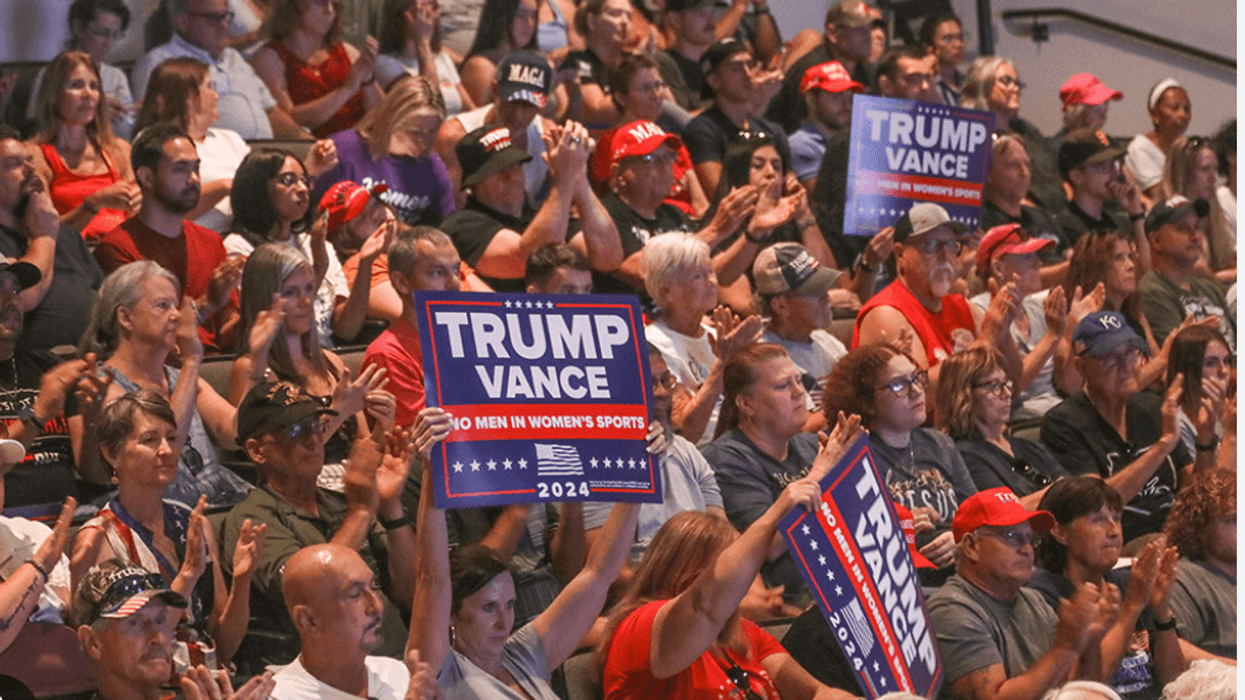
There’s a difference between President Donald Trump’s core MAGA base and the influencer class that amplifies him, even if the two might seem to be one and the same.
Trump’s base has an emotional—not transactional—attachment to their idol, akin to cult-like status. Supporting him is part of their core identity. For millions of Americans, Trump isn’t just a politician, but the man who gave voice to their grievances. He symbolizes defiance against a political, economic, and cultural establishment that has financially devastated them.
It’s no accident that there is a correlation between the number of meth labs in a county and Trump support, as well as higher death rates from drugs, alcohol, and suicide.
The “bro-caster” ecosystem is different. A lot of these personalities didn’t build their brands around Trump specifically, but around outrage, anti-elite posturing, toxic masculinity, and cultural grievance. Trump just happens to be the biggest gravitational force in that universe, and handsomely rewarded by the algorithms.
Sure, some of these influencers are true believers, while others are grifters. Has there ever been an easier mark than a conservative desperate to have his or her worldview validated?
But ultimately, their ideology is mostly a vehicle toward clout. If Trump falters, influencers can pivot. His core base can’t.
We’re seeing that dynamic in real time over Iran. Trump’s core base is happily lapping up the “Trump said no new wars, but this is a limited conflict so it’s all good!” reasoning. The 30 percent deplorable MAGA base consists of the dumbest people on the planet..
We already saw some prominent Republicans speak out against Trump’s new war. Now let’s take a look at that influencer crowd, because they’re struggling.
To be clear, these are all vile humans, but they helped deliver critical votes to Trump in 2024. Losing their support matters. (And incidentally, MAGA is now calling these guys the “woke right” as they call themselves “The real America Firsters.”)
Andrew Tate is on an anti-war rampage:
Mike Cernovich has 1.4 million followers on X, and millions more elsewhere.
We don’t want Nazis like Nick Fuentes, but as a vehicle to demoralize Trump’s fanbase?
These guys have 3.5 million followers on X:
This guy has 600,000 followers on X, and 877,000 on YouTube:
Matt Walsh has 4 million followers on X:
KimDotCom has 1.7 million followers on X, and never quite understood why the deplorables love him so much. Probably because like Dear Leader, he’s a criminal.
This guy has 370,000 followers:
This guy has almost 900,000 followers on X:
I could quite literally list similar posts all day, as the examples are endless. But for now, let’s close with former Rep. Marjorie Taylor Greene, who was a staunch Trump supporter until 2025:
Trump made a big deal out of stopping wars, and a bunch of morons believed him. When a key segment of your base rebels in this fashion, the consequences are sure to be enormous.
Markos Moulitsas is founder and editor of the blogging website Daily Kos and author of three books.
Reprinted with permission from Daily KosReprinted with permission from Daily Kos