{{ site.specific_data.Twitter }}
Alaska GOP Senator's Campaigns Spent $1.5M On Golf Resorts And Luxury Lodging

Alaska GOP Senator's Campaigns Spent $1.5M On Golf Resorts And Luxury Lodging

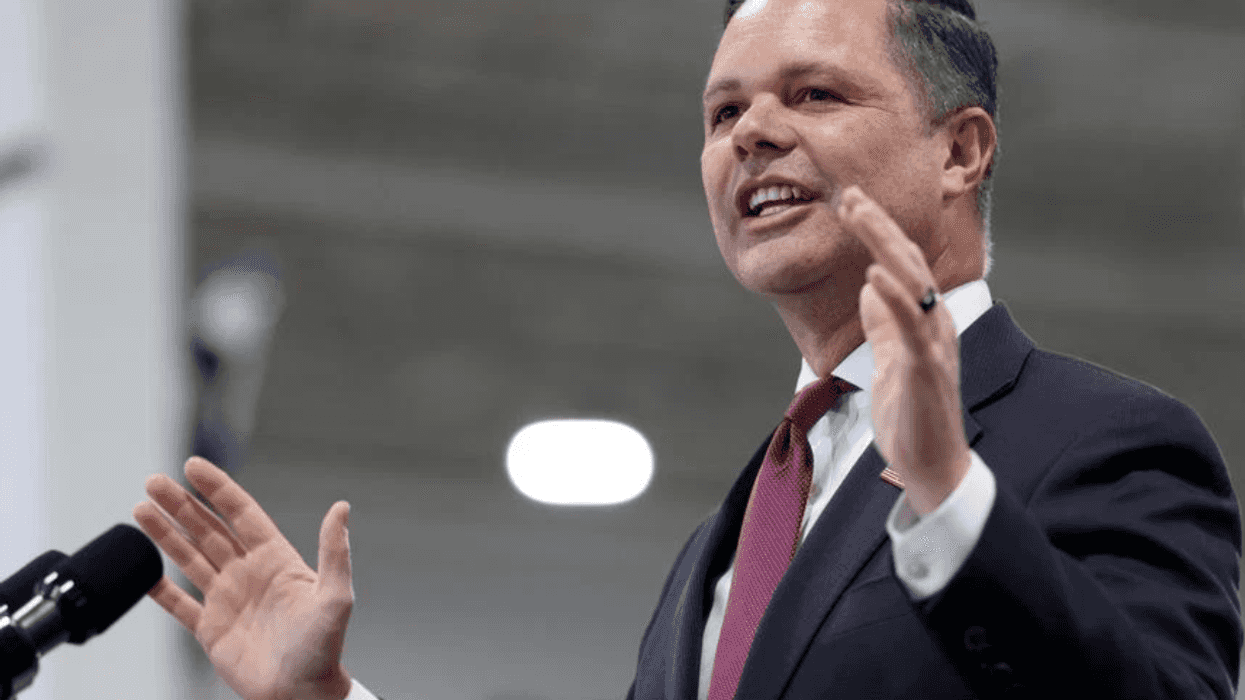
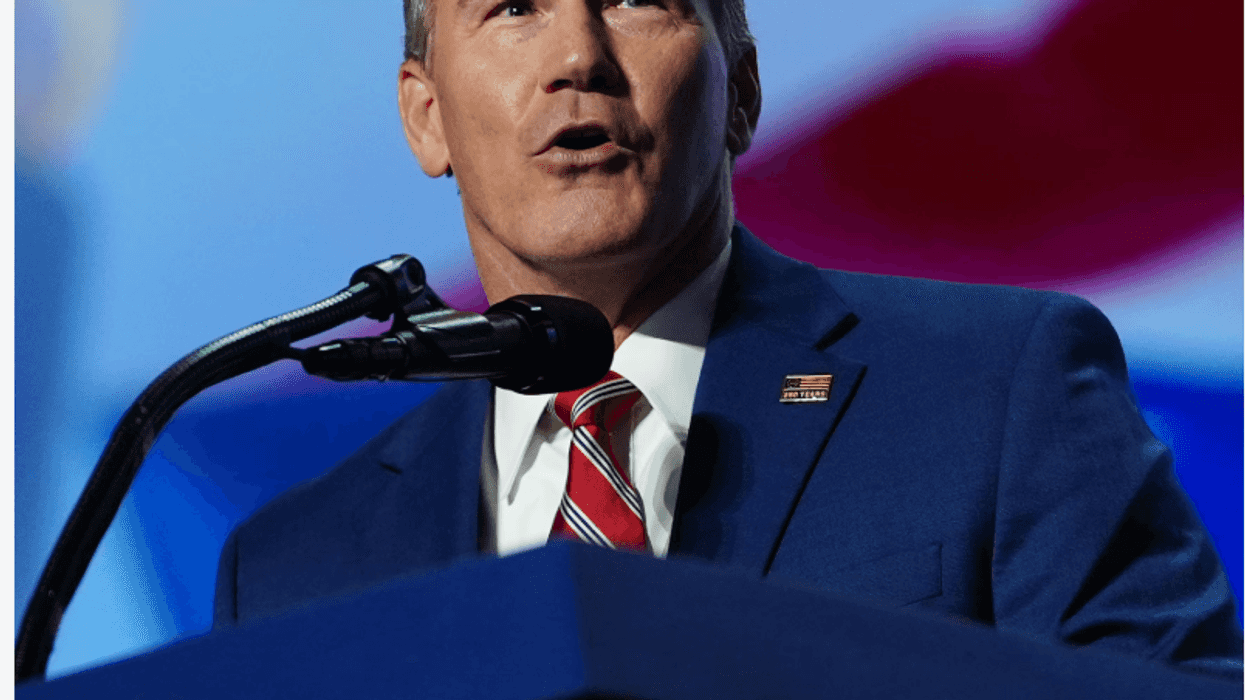
Alaska Republican Sen. Dan Sullivan has spent more than $1.5 million worth of campaign funds at luxury hotels and restaurants, according to his financial reports.

Lawmakers are permitted to spend campaign cash on meal and travel accommodations, but federal law stipulates that these expenditures must be related to official activities and cannot be for personal use.

Sullivan’s suspicious spending encompasses nearly his entire Senate career, from 2015 to his current reelection campaign. He is seeking a third term this year and is expected to face former Rep. Mary Peltola in the general election.

The spending was spread across three groups: Alaskans for Dan Sullivan, his official campaign apparatus; Sullivan Victory, a joint fundraising committee tied to his Senate campaign; and True North PAC, a Sullivan-led group that supports other Republicans.

In the first quarter of 2026, these entities spent a combined $65,847 on food and lodging, about 92% of which was spent outside Alaska. This includes spending $3,500 on a stay at the Four Seasons resort in Palm Beach, FL.

In 2025, these groups spent $333,291 on lodging, meals, and catering, more than double their 2024 figure of $164,936.

Some of Sullivan’s most prominent spending over the last decade has been at hotels known for their golf accommodations. The Alaska Democrats put out a press release documenting this trend in April.

“While we’re paying $5 for a gallon of gas, choosing between paying for groceries or health care, and struggling to afford housing, Self-Serving Sullivan has literally been wining and dining Lower 48 special interest donors at luxurious golf resorts,” said Alaska Democratic Party Chair Eric Croft.

An example is the La Quinta Resort & Club in Palm Springs, CA, where Sullivan groups have reported 24 payments over the years totaling $160,737. These charges were for lodging, meals, and event space.

While La Quinta is generally considered a mid-tier hotel chain, its Palm Springs property is a palatial resort with five golf courses, sprawling rose gardens, and private swimming pools. It’s also where season 16 of The Bachelorette was filmed.

Between 2022 and 2025, Sullivan groups reported spending more than $151,000 on lodging and events on Kiawah Island, a barrier island off the South Carolina coast. Most of this was spent at the Kiawah Golf Resort, the site of the 2021 PGA Championship.

Bloomberg News reported in October 2025 that Sullivan co-hosted a fundraiser on Kiawah Island with Arkansas Sen. John Boozman during a government shutdown. Boozman is an avid golfer.

Sullivan groups reported spending $21,000 earlier this year at The Phoenician in Scottsdale, AZ, which has a golf course designed by renowned architect Phil Smith. The private resort also has a three-story spa and is known for hosting celebrity guests.

Rooms at The Phoenician can cost as much as $9,500 per night.

Between 2019 and 2025, Sullivan groups reported spending $2,441 at The Breakers resort in Palm Beach, which has an oceanside golf course and is a short drive from President Donald Trump’s Mar-a-Lago estate.

The lavish spending stands in contrast to Sullivan’s efforts to project a working-class persona, including regularly attending campaign events dressed in work boots and a Carhartt jacket.

Quiver Quantitative estimates Sullivan’s net worth to be $8.4 million.

Violating Law She Sponsored, Susan Collins Failed To Report $395K In Stock Trades

Violating Law She Sponsored, Susan Collins Failed To Report $395K In Stock Trades

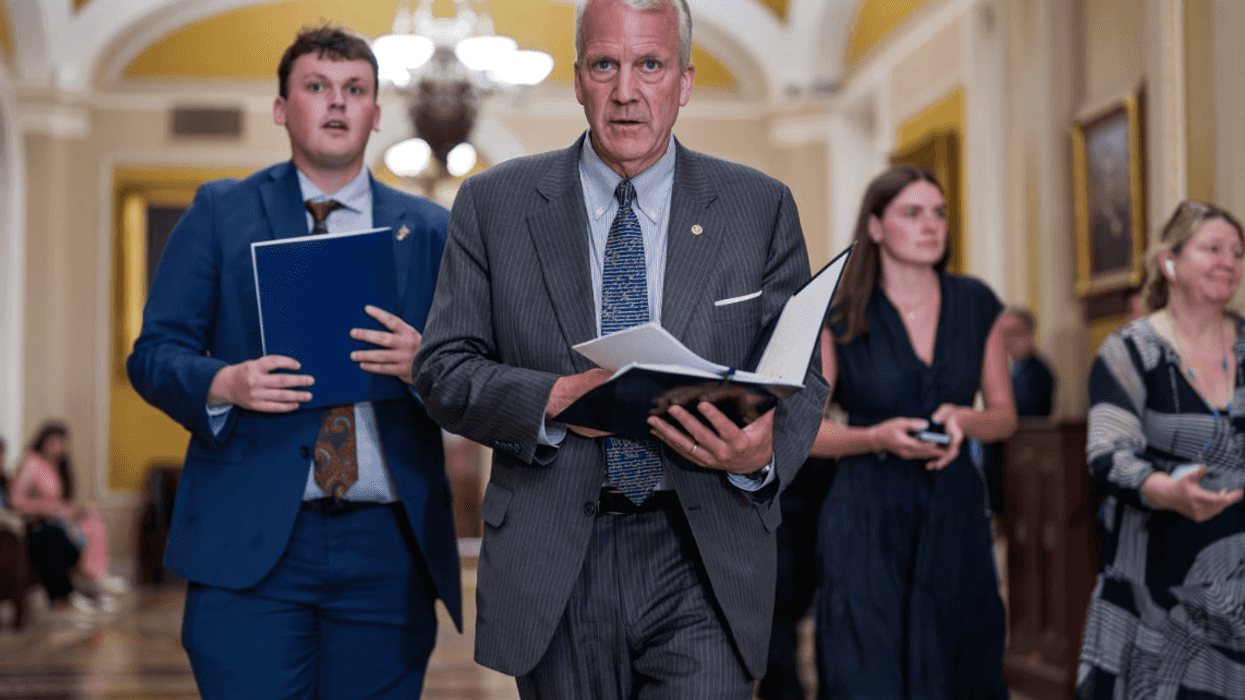
Maine Sen. Susan Collins failed to report up to $395,000 in stock trades, violating a law that she helped pass.

The STOCK Act requires members of Congress and their spouses to disclose stock transactions within 45 days of a trade being ordered. A review of the Republican senator’s disclosures from 2013 to 2018 shows 24 transactions that were reported more than 100 days late.

All of these trades were made by Collins’ husband, Thomas Daffron, a former lobbyist. The late-reported items include shares of Microsoft, JPMorgan Chase, and CVS.

NOTUS reported that Collins also failed to report a purchase of Pfizer stock earlier this year.

Collins supported the STOCK Act when it was introduced in January 2012 and helped shepherd it into law by becoming the first Republican to back the measure. It ultimately passed with bipartisan support and was signed into law by President Barack Obama.

“At a time when polls show low public confidence in Congress, there is a strong desire to address the concerns that underpin the public’s skepticism and assure the American people that we put their interests above our own,” Collins said in defense of the law.

Collins has since opposed efforts to completely ban stock trading by members of Congress, an idea supported by the vast majority of voters and members of her own party. A Brennan Center survey found that 81 percent of adults support such a ban.

Collins has acquired considerable wealth as a result of her investments.

In 2001, she reported her net worth as between $111,000 and $315,000. According to Quiver Quantitative, which tracks the wealth of lawmakers, her net worth in 2013—less than a year after marrying Daffron—was $3.8 million. Today, it is $6.9 million.

Earlier this year, it was reported that Collins and Daffron had personally profited from the war in Iran through their substantial oil and gas holdings.

The STOCK Act requires lawmakers to pay a fine for every transaction reported outside the 45-day window. These fees are frequently waived by the House and Senate ethics committees. It is unclear whether Collins has been investigated or reprimanded for the infractions.

Collins is running for a sixth term this year. Her likely Democratic opponent is oysterman and veteran Graham Platner, who has pledged to support a congressional stock trading ban.

Reprinted with permission from American Journal News
GOP's Hinson Posts Lying Ad About Democrat Turek Minutes His Primary Win

GOP's Hinson Posts Lying Ad About Democrat Turek Minutes His Primary Win

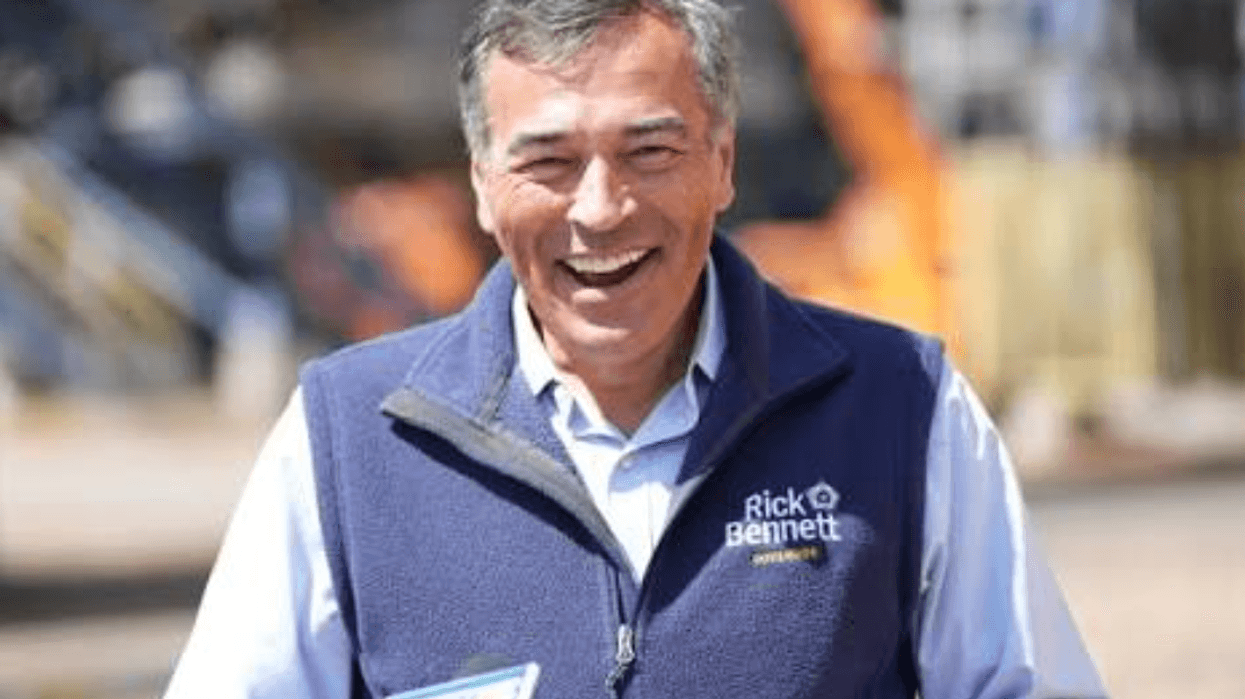
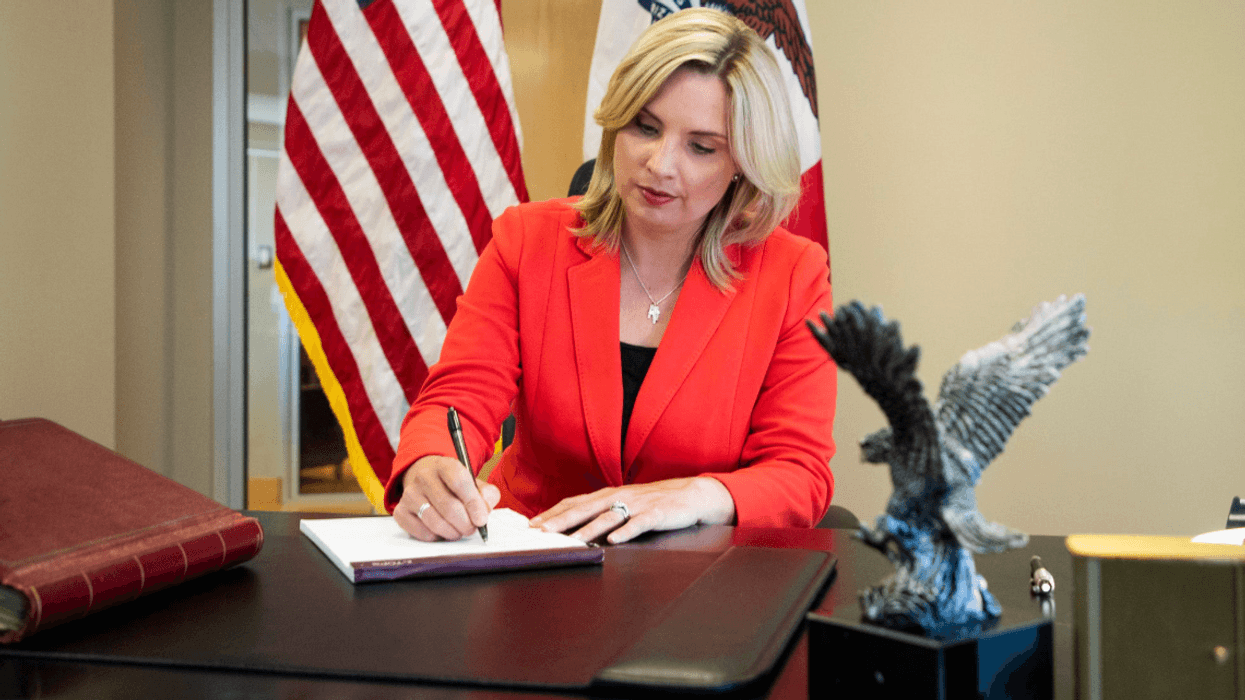
Less than an hour after Iowa state Rep. Josh Turek secured the Democratic nomination for U.S. Senate, his Republican opponent released an ad lying about his record.

Republican Rep. Ashley Hinson posted the ad to X along with text claiming that Turek supports gender reassignment for minors, amnesty for undocumented immigrants who commit crimes, and a “90% tax rate on hardworking Americans.” Turek has neither advocated for nor voted for any of these policies.

The ad itself, which features a menacing voiceover, says Turek “supports kids changing gender without parental consent.” The ad cites SF 496, a bill that passed the Iowa House and Senate in 2023 with only Republican votes and was later signed into law by Gov. Kim Reynolds.

The law prohibits public schools from teaching lessons on sexual orientation and gender identity to elementary-aged students. It also requires schools to notify parents in certain circumstances involving a child’s gender identity preferences.

The law also bans books that allegedly depict sex acts from K–12 school libraries. The broad language of this provision has led to several literary classics being removed from shelves, including high school reading staples like The Catcher in the Rye and To Kill a Mockingbird.

Turek has consistently opposed book bans and publicly blasted the law, describing it as state censorship. Earlier this year, he criticized a similar bill that would threaten librarians with jail time if they helped students obtain banned texts.

“This is what we’re spending our time on?” Turek said at a legislative forum in March. “Trying to ban libraries and books and prevent kids from having access to books? I think it’s fundamentally wrong.”

Turek is far from alone. SF 496 has been the subject of multiple lawsuits and legal challenges. A federal judge struck down the law, but it was later reinstated by the U.S. Court of Appeals. While the law is currently in effect, ongoing litigation has given it an uncertain future.

Hinson’s claim that Turek’s opposition to the law amounts to supporting “kids changing gender without parental consent” is intellectually dishonest.

The U.S. Senate election in Iowa will be one of the most-watched races of 2026. The state has trended red in recent years, but Democrats are hopeful they can reverse that tide amid rising prices and record-low approval ratings for President Donald Trump.

Shortly after his primary win, Turek told Politico why the state may be more competitive than some think.

“In Trump’s last midterm, we won three of the four congressional races, [and] we were only three points away from winning all four,” Turek said. “This is a common-sense state, not a red state.”

Reprinted with permission from American Journal News
'Not A Politician': GOP Cleans Up Oil Lobbyist For North Carolina Senate Race

'Not A Politician': GOP Cleans Up Oil Lobbyist For North Carolina Senate Race

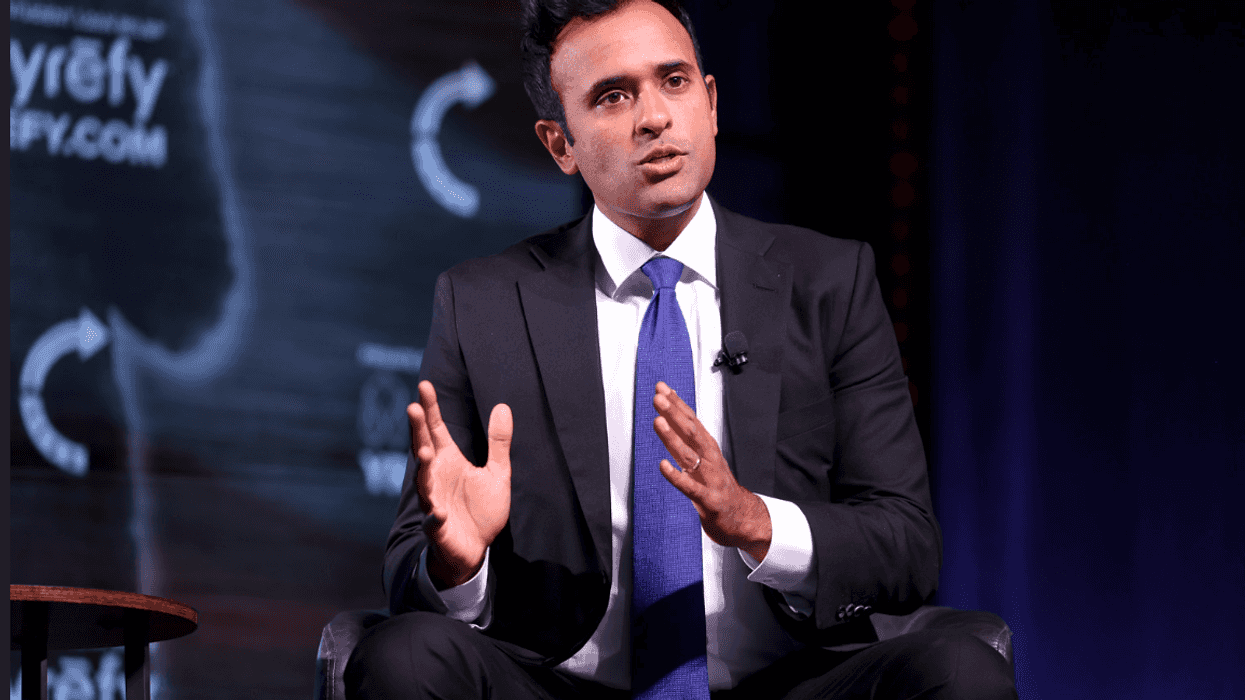
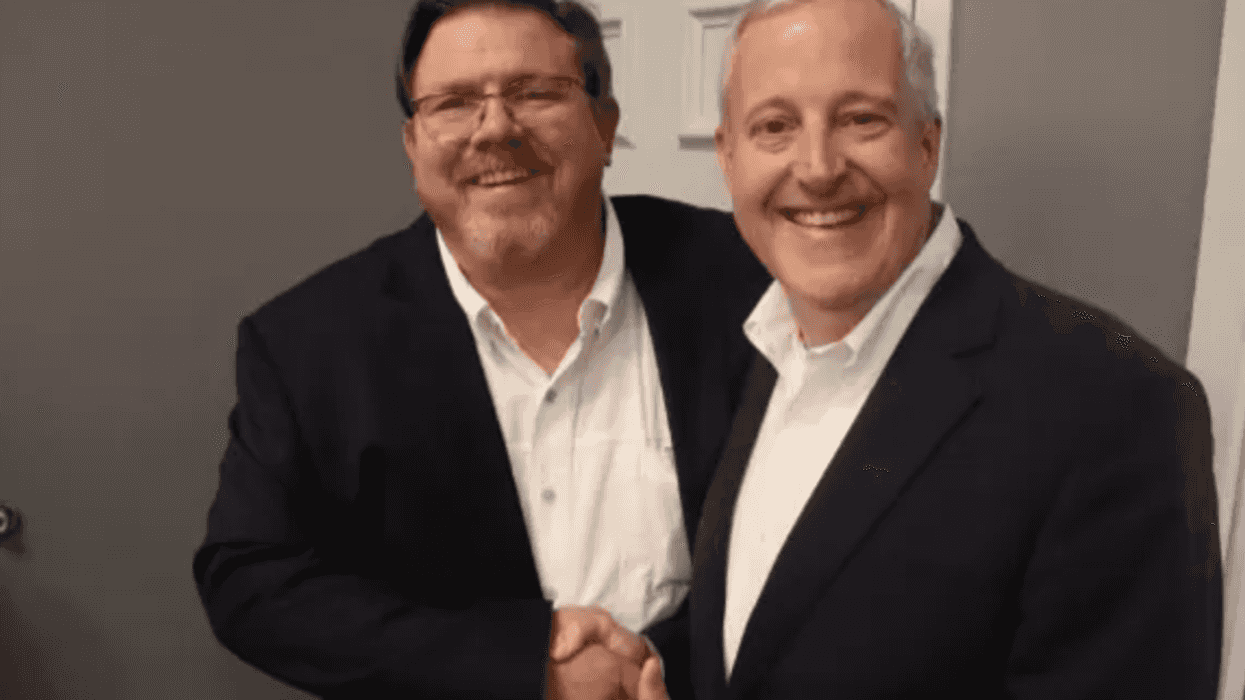
A new ad from the conservative group Americans for Prosperity portrays Michael Whatley as a political outsider despite his two-decade career as a corporate lobbyist.

A voiceover claims that “while others chased power, Whatley worked to make a difference,” but his résumé is a virtual case study in revolving-door politics, with him constantly ping-ponging between the public and private sectors.

Federal law requires most lobbyists to publicly disclose their clients and earnings. A review of Whatley’s disclosures dating back to 2005 suggests that much of his work was done on behalf of oil and gas companies, an industry in which he continues to have deep financial investments.

Whatley’s public sector experience includes four roles: deputy assistant secretary at the Energy Department from 2001 to 2003, Sen. Elizabeth Dole’s chief of staff from January to December 2004, chair of the North Carolina Republican Party from 2019 to 2024, and chair of the Republican National Committee from 2024 to 2025.

In 2005, Whatley founded his first lobbying firm, The Patriot Group, which dissolved less than a year later. Despite its short tenure, the firm represented several large utility providers, including Cinergy, which later became Duke Energy.

Today, Duke Energy is the largest utility company in North Carolina and a financial supporter of Whatley’s Senate campaign. Duke Energy is expected to seek permission to raise rates for North Carolinians in the next year.

From 2005 to 2008, Whatley was employed by O’Connor & Hannon (now Nossaman LLP), a California-based firm that specializes in energy and health care policy.

Whatley’s disclosures from O’Connor & Hannon indicate that he personally generated at least $1.3 million for the firm, managing the accounts of several big-name clients, most notably Exxon Mobil, General Electric, and the weapons manufacturer Lockheed Martin.

Whatley founded another lobbying firm, HBW Resources, in 2007. The firm still exists today and specializes in the “energy, environment, conservation, transportation, and infrastructure sectors,” according to its website. Between 2007 and 2022, the firm took in more than $8 million from corporate clients, including the American Petroleum Institute, the largest trade association for the U.S. oil and gas industry.

Between 2022 and 2025, when Whatley ran the North Carolina GOP and the Republican National Committee, he was also employed as a consultant by Capital City Ventures, another D.C. lobbying firm.

Whatley’s personal finance disclosures show Capital City Ventures paying him $755,555 over a two-year period. His main clients appear to have been Centrus Energy, a nuclear power provider, and GE Vernova, formerly General Electric.

Whatley’s net worth is estimated between $3.5 and $12 million.

Americans for Prosperity, the group pushing Whatley as a political outsider, has ties to the energy sector as well. The group is closely affiliated with Koch Industries, a manufacturer of petroleum and polymers.

Whatley’s campaign website makes no mention of high utility or gas costs. His Democratic opponent, former Gov. Roy Cooper, has made lowering those costs a core plank of his campaign platform.

Cooper’s plan calls for making the energy grid more efficient and cracking down on data centers that use large amounts of power and drive up costs.

Reprinted with permission from American Journal News

Dan Sullivan

New Research Report Accuses GOP Senate Candidates Of Self-Enrichment

A new memo from End Citizens United flags ethics concerns about five Republicans competing in marquee Senate races.

Since 2015, End Citizens United has worked to eliminate dark money in U.S. politics by calling out corruption and elevating candidates who support commonsense campaign finance reforms.

The memo alleges that Alaska Sen. Dan Sullivan, Maine Sen. Susan Collins, former Michigan Rep. Mike Rogers, former New Hampshire Sen. John Sununu, and North Carolina Republican Michael Whatley have all engaged in patterns of double-dealing and self-enrichment.

End Citizens United President Tiffany Muller says these Republicans “have spent their political careers leveraging their influence, cashing in on their connections, and abusing the public trust for personal gain instead of fighting for their constituents.”

The memo details, for example, how Sullivan has repeatedly voted to advance the interests of RPM International, a chemical manufacturing company run by his brother and in which he holds up to a $5 million stake. This includes blocking an amendment that would have allowed the EPA to crack down on cancer-causing pollutants and substances.

The memo also lays out Sullivan’s side hustle as a stock trader. He has made up to $2 million worth of trades while in office and has an estimated net worth of $8.29 million.

Collins is also a prolific stock trader, the memo says. Last year, she dodged questions from a reporter about her husband owning shares of Boeing, RTX Corporation (formerly Raytheon), and other companies regulated by Congress.

Collins claimed to have no knowledge of her husband’s financial dealings despite reporting them in her own personal financial disclosures. Both Collins and Sullivan opposed a bipartisan effort to ban stock trading by members of Congress and their spouses.

Rogers, meanwhile, left Congress a decade ago, reportedly to pursue money-making ventures. According to the memo, he leveraged his national security expertise into lucrative consulting gigs with multinational corporations, including a cell phone company that helped Venezuelan dictator Nicolás Maduro spy on civilians.

Rogers is now running for Michigan’s open U.S. Senate seat with the backing of President Donald Trump.

Sununu, another Trump-backed candidate, followed a similar trajectory. After leaving the Senate in 2009, he went to work for a lobbying firm whose clients included Pfizer, Gilead, Merck, Bayer, and Johnson & Johnson. He is now trying to return to the Senate on a platform of lowering health care costs.

Whatley also had an extensive lobbying career. He spent more than a decade advancing the interests of oil and natural gas companies. His current oil and gas investments are worth up to $1.39 million and have grown substantially as a result of the war in Iran.

“Voters expect elected officials to fight for hardworking families, not to cozy up to special interests and then walk through the revolving door to cash in,” Muller said. “We’re committed to holding these Revolving Door Republicans accountable for putting themselves and their donors ahead of the people they’re supposed to serve.”

End Citizens United has endorsed the likely Democratic candidates in these races: former Rep. Mary Peltola in Alaska, oysterman Graham Platner in Maine, Rep. Chris Papas in New Hampshire, and former Gov. Roy Cooper in North Carolina.

Michigan’s Democratic Senate candidate will be chosen in an August 4 primary.

Reprinted with permission from American Journal News

Report: Massive Corporate PAC Money Funneled To Collins, Husted, And Lawler

Report: Massive Corporate PAC Money Funneled To Collins, Husted, And Lawler

End Citizens United, a progressive group dedicated to eliminating dark money in politics, has rolled out a new list of the most corrupt lawmakers in Washington.

The list highlights 19 representatives and three senators whom the group says are more beholden to corporate donors than their own constituents. All of the listed lawmakers are Republicans.

“They side with Big Pharma, Big Oil, Big Tech, and Wall Street while hardworking Americans pay more for everyday essentials like health care, utilities, and rent,” said End Citizens United President Tiffany Muller.

The senators on the list are Susan Collins of Maine, Jon Husted of Ohio, and Ashley Moody of Florida, all of whom are facing competitive reelection fights this year.

End Citizens United reports that Collins has taken more than $8.3 million from corporate PACs throughout her career, much of it from the pharmaceutical and insurance industries. She also has a sizable stock portfolio and opposed a bipartisan push to ban congressional stock trading.

Collins’ stock portfolio grew by more than 77 percent in 2024. During this same period, most Mainers over 65 were spending 10 percent of their income on health care. In 2022, she voted against the Inflation Reduction Act, which slashed pharmaceutical prices for seniors.

Collins also supported the 2017 Tax Cuts and Jobs Act, which slashed corporate tax rates, and voted to advance the 2025 One Big Beautiful Bill Act, which made deep cuts to Medicaid.

Husted, who joined the Senate last year, has accepted more than $550,000 in corporate PAC money. Like Collins, much of this cash came from the insurance industry. Husted also supported the One Big Beautiful Bill Act.

End Citizens United also highlights Husted’s ties to billionaire businessman Les Wexner, who was a close associate of deceased sex predator Jeffrey Epstein. Husted accepted $3,500 from Wexner in September 2025, long after Wexner’s ties to Epstein were exposed.

Two months after receiving the donation, Husted voted to block a Senate amendment that would have compelled Attorney General Pam Bondi to publicly release investigative documents related to Epstein.

“The corrupt politicians on this year’s list take money from corporate special interests and billionaires and use their power to protect those same donors as they raise prices on working families,” Muller said.

Notable congresspeople on the list include Michigan Rep. Bill Huizenga, New York Rep. Mike Lawler, Pennsylvania Rep. Rob Bresnahan, and Tennessee Rep. Andy Ogles.

Reprinted with permission from American Journal News

Republicans Collins And Whatley Booked Big Profits From Iran War Oil Spike

Republicans Collins And Whatley Booked Big Profits From Iran War Oil Spike

Two Republicans competing in marquee Senate races appear to be financially benefiting from the war in Iran.

Maine Sen. Susan Collins and North Carolina Republican Michael Whatley have both seen their stock portfolios soar since the war began on February 28, largely because of their investments in oil and gas.

American-produced oil shot up in value after the war disrupted the global oil trade. This has led to a surge in gas prices and increased profits for some oil and gas companies.

The U.S. and Iran entered a two week ceasefire agreement on March 7, but it is unclear if the plan will stabalize the oil market.

Leo Mariana, a research analyst at Roth Capital Partners, told The Guardian that the war has been a “windfall” for energy investors.

Among those investors are Collins and her husband, who reported owning up to $115,000 in natural gas stock on her campaign finance disclosures. This includes shares of ConocoPhillips, that hit a 52-week high on March 26.

Between the start of the war and April 1, Collins profited by up to $24,480 from these investments.

Whatley also owns shares of ConocoPhillips, along with Chevron, Exxon Mobil, Devon Energy, and Shell. His total oil and gas investments are worth up to $1.39 million.

With the help of the war, Whatley has profited by up to $219,660.

Both Whatley and Collins have expressed support for the war in Iran, a stance that risks putting them out of step with most voters. A Pew Research Center survey from March found that 61 percent of voters don’t support the conflict.

Whatley’s Democratic opponent, former North Carolina Gov. Roy Cooper, said on X that the war was “devastating” and unwise.

“Americans fear another costly, drawn-out war that puts our troops in harm’s way and removes focus and resources from needs here at home,” Cooper said. “Americans deserve to know all the long-term objectives of this war, its risks and the exit strategy.”

Collins’ Democratic opponent will be chosen in a June 9 primary.

Reprinted with permission from American Journal News
'Conservative'? Wisconsin Court Nominee Stumbles On Basic Constitutional History

'Conservative'? Wisconsin Court Nominee Stumbles On Basic Constitutional History

In a recent interview, Maria Lazar, a conservative candidate for the Wisconsin Supreme Court, appeared not to know basic facts about the Dred Scott decision, one of the most pivotal rulings in the history of American jurisprudence.

Lazar currently sits on the Wisconsin Court of Appeals. She is running in the April 17 election to replace retiring conservative Supreme Court Justice Rebecca Bradley.

The Dred Scott decision was an 1857 U.S. Supreme Court ruling that said the Constitution did not grant full citizenship rights to Black people. Lazar pointed to the ruling in an October 1, 2025 radio interview as an example of a case that was wrongly decided but later overturned by the court.

“Precedent doesn’t mean that you never overturn a case,” Lazar said. “I mean, there are cases, for example, Dred Scott and some other appalling cases that the U.S. Supreme Court issued that deservedly should have been overturned.”

There’s just one problem: the court never overturned the Dred Scott decision. Instead, it was effectively nullified by new amendments to the Constitution: the 13th Amendment abolishing slavery, the 14th Amendment extending full citizenship rights to Black people, and the 15th Amendment prohibiting the government from infringing a citizen’s right to vote.

The Wisconsin Supreme Court is currently composed of four liberals and three conservatives. The upcoming April 7 election will determine whether the liberal majority becomes more entrenched, or remains unchanged. The court will likely hear a case on congressional redistricting once the new judge is seated.

Lazar’s liberal opponent is Wisconsin Court of Appeals Judge Chris Taylor. Taylor has been endorsed by Sen. Tammy Baldwin and the AFL-CIO.

Reprinted with permission from American Journal News

Despite Zero Fraud, Trump's MAGA Candidates Demand End Of Mail Voting

Despite Zero Fraud, Trump's MAGA Candidates Demand End Of Mail Voting

President Donald Trump and Oregon Republican Christine Drazan have something in common: both want to curtail mail-in voting.

Drazan has served in both chambers of the Oregon state legislature and is now running in the Republican primary for governor.

Oregon is one of eight states where all voting is conducted by mail. One hundred percent of ballots cast in Oregon in 2024 were submitted via postal service or drop box. The state adopted the practice in 2000 after 70 percent of voters approved the change in a 1998 referendum.

In last month’s State of the Union address, Trump urged lawmakers to implement federal voting restrictions outlined in the SAVE Act, legislation that would eliminate most forms of mail-in voting and impose stricter ballot access requirements nationwide.

“All voters must show voter ID,” Trump said. “All voters must show proof of citizenship in order to vote. And no more crooked mail-in ballots except for illness, disability, military, or travel. None.”

Trump frequently says mail voting has led to widespread fraud in elections, but there is virtually no evidence to support these claims. A 2020 analysis by the New York Times found that states with universal vote-by-mail policies have “essentially zero fraud.”

Last year, Drazan sponsored House Bill 3872 (HB 3872), which would require most Oregonians to vote in person on Election Day. It would also require voters to present a photo ID.

Republicans in the Oregon Senate introduced an identical bill as a companion to HB 3872. The Senate bill was so unpopular that the Oregon legislative website crashed because of the volume of people logging on to express their displeasure.

Democratic state Sen. James Manning told Oregon Public Broadcasting that both legislative bills were designed to appease Trump.

“Is this an issue looking for a problem?” Manning asked. Because I don’t see it here in our state. This is something that’s a national movement to try to make something of nothing.”

Polling suggests that Trump and Drazan are out of step with what most Oregonians want. A 2018 survey by DHM Research found that 71 percent of Oregonians prefer voting by mail.

Drazan ran unsuccessfully for governor in 2022. If she secures the Republican nomination, she will face incumbent Democratic Gov. Tina Kotek in the general election.

Reprinted with permission from American Journal News
GOP's Senate Leadership Fund Is Bankrolled By Corporations Stoking Inflation

GOP's Senate Leadership Fund Is Bankrolled By Corporations Stoking Inflation

Senate Republicans are campaigning on affordability as they try to protect their slim majority in this year’s midterms. That strategy may be complicated by the fact that some of their biggest donors are the corporations raising prices on working Americans.

South Carolina Sen. Tim Scott told Fox News last December that “2026 is a year of affordability” and that President Donald Trump has delivered on lowering prices. Scott chairs the National Republican Senatorial Committee (NRSC), which is responsible for electing Republicans to the U.S. Senate.

Scott’s analysis, however, does not align with most people’s lived experiences. A Pew poll from last month found that a growing number of Americans report struggling to cover the cost of food, housing, utilities, and health care.

A variety of factors have contributed to these struggles, including Trump’s tariffs and Congress’ failure to extend Affordable Care Act (Obamacare) subsidies. But one of the biggest culprits has been corporate greed: companies hiking prices and raking in record profits as Americans spiral into debt.

One of those companies is Koch Industries, a manufacturer of fuels and construction materials that is also the second-largest privately held company in the United States. In recent years, the company has bought up fertilizer plants, making it one of just four businesses that control 75% of the fertilizer market.

Farmers have expressed concern about this growing monopoly, particularly in Iowa, where Koch Industries bought a fertilizer plant for $3.6 billion in Sept. 2024. Now, when Koch Industries lifts the price of fertilizer, many Iowa farmers have no choice but to pay it. Farmers may be forced to pass these added costs onto consumers by raising food prices.

“The deal is bad for Iowa farmers, bad for Iowa’s economy, and ultimately bad for consumers paying high food prices,” the Iowa Farmers Union said when the company announced its plan to buy the plant.

Koch Industries spent $12.75 million boosting Republican Senate candidates in the final months of 2025, primarily through PACs like Americans for Prosperity and the Senate Leadership Fund, the main group dedicated to protecting and expanding the Republican majority in the Senate.

In the same time period, the Senate Leadership Fund also received $5 million from Stephen A. Schwarzman, the CEO of the private equity behemoth Blackstone. Among its assets are several rental properties that have led to Blackstone being dubbed “the largest commercial landlord in history.”

A 2023 analysis by the Private Equity Stakeholder Project found that Blackstone often raised rents by as much as 64% after purchasing the properties. The company also buys up single-family homes that it either turns into rentals, resells at a profit, or simply holds onto as an asset. Experts say this practice has contributed to a global housing affordability crisis.

Schwarzman also contributed $5 million last year to MAGA Inc., the main PAC backing Trump’s agenda.

Smaller but still sizable donations to the Senate Leadership Fund came from Michael Smith, CEO of the natural gas company Freeport LNG, and Jeffrey Hildebrand, head of the oil driller Hilcorp. Oil companies Occidental Petroleum and Ovintiv contributed to the group as well.

Each of these companies has been blamed for rising energy prices. Freeport LNG has contributed directly to rising gas prices by shipping U.S.-produced natural gas overseas, a practice that reduces local supply and allows producers to charge Americans more for the same fuel. Hilcorp, which operates Alaska’s largest oil field, has been accused of hiking Alaskans’ gas prices unnecessarily.

In 2024, federal regulators launched an investigation into whether Occidental Petroleum and Ovintiv colluded with OPEC to raise gas prices on Americans. That investigation is officially ongoing.

Smith also contributed to a PAC supporting Maine Republican Sen. Susan Collins.

It’s not just life essentials that are subject to greedy price hikes. Paul Singer, proprietor of the Elliott Investment Management hedge fund, gave $3.75 million to the Senate Leadership Fund. In 2024, Singer’s firm bought a multibillion-dollar stake in Southwest Airlines. The airline implemented a practice of charging customers to check bags shortly thereafter.

Singer has also donated to PACs supporting Collins and Mike Rogers, the Republican Senate candidate for Michigan.

Reprinted with permission from American Journal News

Susan Collins

SAVE Act Swindle: Susan Collins Raising Money Off Election Fraud Lies

Last year, Maine voters overwhelmingly rejected a referendum that would’ve required photo ID at the polls. Now, Sen. Susan Collins is supporting a Trump-backed bill that would impose the restriction anyway.

Collins said in a fundraising email this month that she supports the SAVE Act, a bill that would require voters nationwide to present a photo ID before casting a ballot. It would also eliminate most forms of mail-in voting and require people to provide proof of citizenship when registering, such as a passport, birth certificate, or military ID.

“I announced that I will vote for the SAVE America Act because the law and the Constitution are clear: Citizens of other countries should not be voting in American elections,” the email said.

President Donald Trump used the same argument when he urged House Republicans to pass the legislation during a policy summit last month.

“Our elections are crooked as hell, and you can win—not only win elections over that and not only win future elections—but you’ll win every debate because the public is really angry about it,” the president said.

Despite Trump’s and Collins’ claims, a review by the Department of Homeland Security found that instances of noncitizen voting are close to nonexistent and have no impact on election outcomes. It is already illegal for noncitizens to register to vote or participate in most elections.

The SAVE Act passed the House with mostly Republican votes on Feb. 11. It is unlikely to reach the 60-vote threshold required in the Senate unless Republicans suspend the filibuster, which is reportedly being considered.

Collins would likely be the deciding vote if Senate Republicans tried to bypass the filibuster.

Voting rights advocates warn that the SAVE Act could jeopardize ballot access for more than 21 million Americans. Married women who have changed their names may be especially vulnerable because of mismatching details on their identifying documents.

Maine Gov. Janet Mills, one of the Democrats challenging Collins in this year’s election, blasted Collins for backing the bill.

“The right to vote is the foundation of American democracy, and Maine is proud to have one of the highest voter participation rates in the nation,” Mills said on Feb. 14. “But Susan Collins is once again appeasing Republican leadership and caving to pressure by backing a dangerous Trump-backed voter suppression bill that will disenfranchise voters across Maine and America.”

Graham Platner, another Democrat challenging Collins, critiqued her as well.

“Under this terrible bill, if you get married and change your name—or if you can’t find your passport—you could be turned away from the polls,” Platner said in a video posted to Facebook.

Collins is the only Senate Republican seeking reelection in 2026 in a state that Trump didn’t win in 2024.

Reprinted with permission from American Journal News
Turkey Day? This Year, Millions Of Americans Can't Afford Traditional Holiday Meal

Turkey Day? This Year, Millions Of Americans Can't Afford Traditional Holiday Meal

Nearly half of Americans are trading turkey this Thanksgiving for cheaper options like chicken, according to a new report from Defend America Action. It’s just one example of how rising costs are putting a damper on the holiday.

The report was compiled at the behest of more than a dozen Democratic state legislators, who have personally witnessed their constituents cutting corners to make ends meet.

“While Trump and Republicans spend billions bailing out their allies and handing out tax breaks to billionaires, Americans are facing higher prices with fewer resources,” the lawmakers said in a joint statement. “Many Americans will find themselves clipping coupons, cutting costs, and waiting in long lines instead of settling in for a relaxing holiday with family and friends.”

The report found that 57 percent of Americans say that Thanksgiving trimmings are more expensive than last year. They’re not imagining it: turkey prices are up 24 percent, canned cranberries are up 45 percent, frozen peas are up 17 percent, cheddar cheese is up 6.6 percent, and the price of sweet potatoes rose by a staggering 37 percent.

Prices for wine, sugar, and whipped cream are all up as well.

The legislators are right to blame President Donald Trump’s inflationary policies. New tariffs on imported farm equipment, fertilizer, steel, and aluminum have increased production costs for many farmers, leading to higher prices in supermarkets.

Tariffs are essentially taxes on imported goods. The tax is paid by the importer, and the cost is often passed to the consumer. Trump claims he is using tariffs to pressure foreign governments into better trade deals.

The pain has been especially acute for turkey farmers. In March, Trump levied tariffs on animal feed imported from Canada and Mexico, which accounts for more than 60 percent of poultry farmers’ operating costs.

It’s been made worse by the administration’s sluggish response to an avian flu outbreak that has shrunk the American turkey inventory to its lowest level in 40 years.

While some Americans will be cooking chicken, one in ten say they won’t be serving any protein at all, choosing to serve only sides instead. Nearly a quarter plan on cutting portion sizes.

This data undercuts Trump’s claims that Thanksgiving will be more affordable this year. He has repeatedly cited a 25 percent price drop for Walmart’s pre-packaged Thanksgiving meals as proof that he’s bringing costs down. Not only is this an outlier, but Walmart’s offerings are also smaller and include less expensive items than in past years.

It’s not just grocery prices, either. Year-over-year travel costs are up as well, with airfare 3.2 percent more expensive than it was in 2024. The additional costs do not equal more luxury. Airports across the country are bracing for delays and cancellations as they continue to struggle with the fallout from Trump’s Federal Aviation Administration (FAA) staffing cuts and the recent government shutdown.

An estimated 31 million people are expected to fly between November 21 and December 1.

More than half of Americans, according to an Associated Press-NORC Center for Public Affairs poll, rank grocery costs as a significant source of stress in their lives.

Reprinted with permission from American Journal News

Susan Collins

GOP Budget Hurts Her Maine Constituents, But Collins Is Still Taking A Victory Lap

Sen. Susan Collins (R-ME) touts her role in ending the government shutdown, even though the final bill did not include any of her legislative priorities.

Collins leads the Senate Appropriations Committee that crafted the continuing resolution (CR) to reopen the government. She is the only Senate Republican to endorse extending Affordable Care Act (Obamacare) subsidies and reining in President Donald Trump’s spending cuts, but the CR did not include these provisions, and Collins did not vote with Democrats who were pushing to add them.

“I was responsible for not only putting the bill together, but also managing it on the Senate floor,” Collins said in a November 18 radio interview. “Dealing with proposals to change it, negotiating not only with my colleagues on both sides of the aisle, but also with the House of Representatives and the administration.”

The 43-day shutdown was the longest in American history. It began on October 1 when Democrats in Congress refused to back any funding bill that did not meet an array of demands, including the extension of Obamacare subsidies that help 65,000 of Collins' Maine constituents afford health care.

Democrats also demanded the Trump administration be blocked from withholding any funding that was already approved by Congress. Since January, the White House has rescinded billions in appropriated funds, including $323,000 to study rural health care access in Maine.

Democratic Rep. Rosa DeLauro of Connecticut told NOTUS that there was a bipartisan proposal to block future rescissions and that she personally lobbied Collins and others on the Appropriations Committee to include it in the CR. The proposal never saw the light of day.

The CR did, however, include a provision that would have allowed Senate Republicans to sue the Justice Department for $500,000 if their phone records were seized during the investigation of the January 6, 2021, attack on the U.S. Capitol. Roll Call reported that Collins personally added the provision at the behest of South Dakota Sen. John Thune, the Republican majority leader.

A bipartisan vote in the House stripped the provision from the final CR on November 19.

Collins is considered the most vulnerable Senate Republican facing reelection next year.

Reprinted with permission from American Journal News
These House Republicans Opposed Trump's Medicaid Cuts -- Until They Voted 'Yes'

These House Republicans Opposed Trump's Medicaid Cuts -- Until They Voted 'Yes'

Some of the most vulnerable House Republicans up for reelection next year took issue with provisions of the One Big Beautiful Bill Act (OBBB) before ultimately supporting the law.

That’s especially tricky for Reps. Juan Ciscomani (AZ-07), Jen Kiggans (VA-02), Tom Kean Jr. (NJ-07), Mike Lawler (NY-17), and Young Kim (CA-40), all of whom have made bipartisanship central to their political brands.

A KFF tracking poll finds that 64 percent of voters have a negative view of OBBB, particularly its cuts to Medicaid. An estimated 15 million Americans are expected to lose health insurance by 2035 because of it.

Ciscomani specifically took issue with the law’s health care cuts, writing in an April press release that he “cannot and will not vote for legislation that reduces Medicaid coverage for those who need it” and that he has an “unwavering commitment to preserving Medicaid benefits.” A month later, he voted for the bill anyway.

The Senate then made changes to the bill before sending it back to the House, at which point Ciscomani again took issue with the bill’s cuts to Medicaid.

“As Members of Congress who helped secure a Republican majority, we believe it is essential that the final reconciliation bill reflects the priorities of our constituents,” said a letter Ciscomani co-signed in June. “Most importantly, the critical need to protect Medicaid and the hospitals that serve our communities.”

Despite these objections, Ciscomani voted for the bill again a few weeks later.

The June 2025 letter was also signed by Kiggans, Lawler, and Kim, all of whom supported the bill with Medicaid cuts intact. Those same lawmakers, plus Kean, also expressed concern about OBBB’s rollback of clean energy tax credits implemented during the Biden administration.

Kiggans warned Republicans on the House’s tax writing committee that a wind farm being built off the coast of her Virginia Beach district would be imperiled if the rollbacks stayed in the law. Kean expressed concern that New Jerseyans could see higher utility bills because of the cuts.

Kean’s concern was echoed in another letter from June 2025 that Kean, Kiggans, Lawler, Kim, and Ciscomani all signed.

Reprinted with permission from American Journal News
New Jersey GOP Nominee Opposes Citizenship Policy That Made His Family American

New Jersey GOP Nominee Opposes Citizenship Policy That Made His Family American

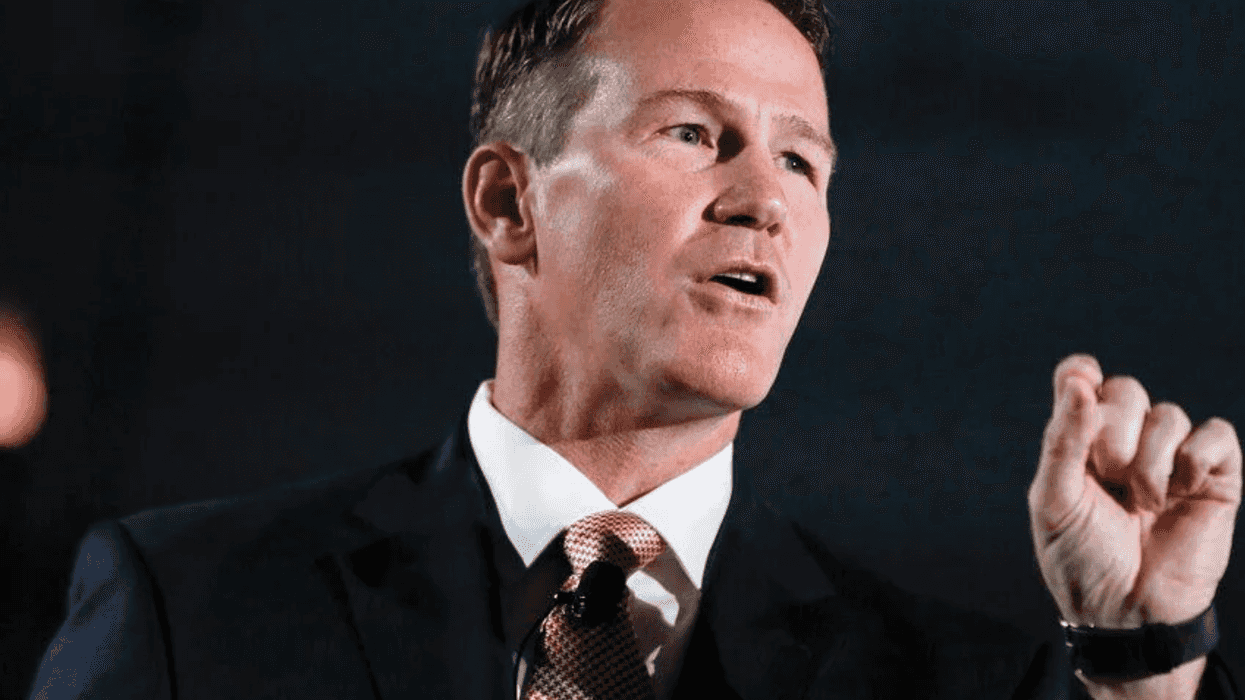
New Jersey gubernatorial candidate Jack Ciattarelli opposes birthright citizenship, even though his own ancestors benefited from it.

The 14th Amendment has long been understood to extend citizenship to all children born on U.S. soil, regardless of their parents’ nationality. President Donald Trump, however, issued an executive order challenging that interpretation, claiming the 1868 law only applied to the children of recently freed slaves.

Trump’s order is now before the Supreme Court. If birthright citizenship is eliminated, it will be a dramatic shift in domestic policy that could leave 11 million people born and raised in the United States vulnerable to deportation.

“Do I believe that someone should be able to just cross the border, give birth and have that baby be an American citizen?” Ciattarelli mused at a campaign event last month. “I don’t. That’s not what the intent was of the 14th Amendment.”

But a review of military and census records shows that Ciattarelli’s grandfather, Antonio, fathered at least two children in the United States before becoming a citizen.

Antonio wrote “no” on a World War I draft registration card from 1917 or 1918, asking whether he was a naturalized citizen or an alien. This was typical for Italian-born immigrants who had not yet begun the citizenship process but intended to.

The same card stated that Antonio had two children.

The 1920 census shows that Antonio had applied for citizenship but not yet been naturalized. It also states that he immigrated to the United States in 1908 and that his two children were born in 1914 and 1915, making them documented citizens.

By the time of the 1930 census, Antonio was a naturalized citizen and Ciattarelli’s father, Anthony, had been born. It’s not clear if Anthony was born before or after Antonio was naturalized.

Ciattarelli’s Democratic opponent, Mikie Sherrill, is a consponsor of the Born in the USA Act, which seeks to block Trump’s executive order ending birthright citizenship.

Reprinted with permission from American Journal News
Crime Pays: Big Donors To New Jersey GOP Nominee Have Long Rapsheets

Crime Pays: Big Donors To New Jersey GOP Nominee Have Long Rapsheets

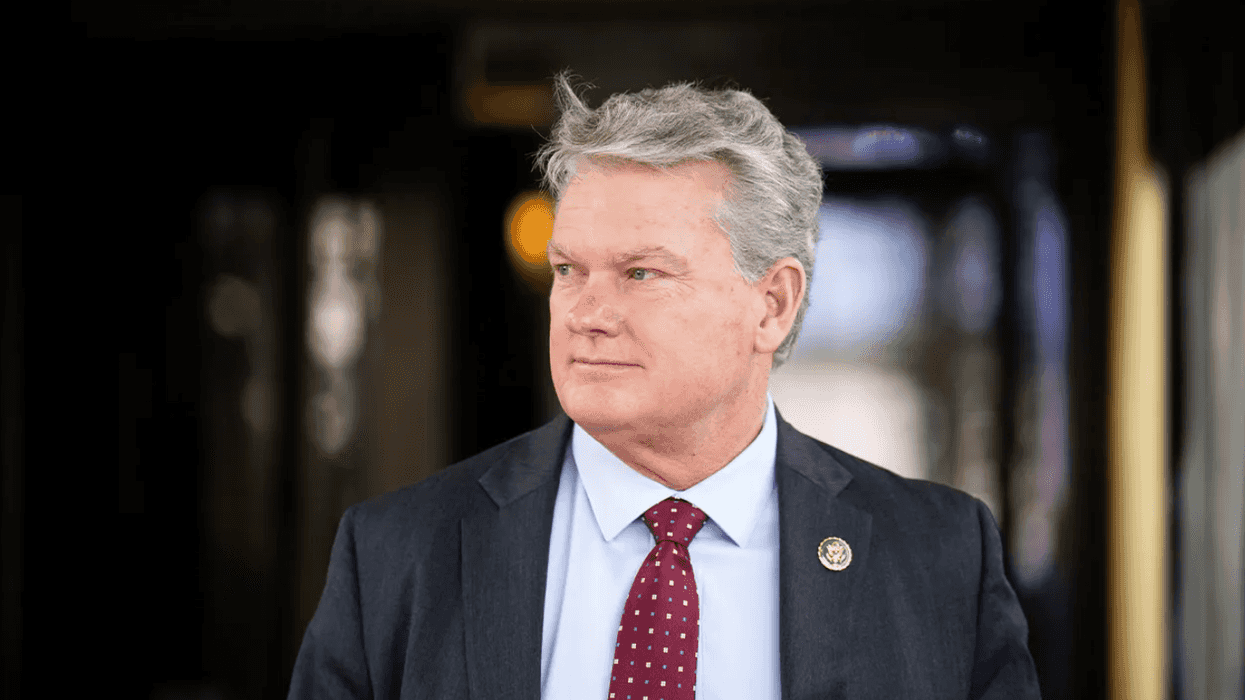
Jack Ciattarellli, Republican nominee for governor of New Jersey, has pledged to crack down on crime if elected, but his donor list is a rogues’ gallery of alleged mobsters and fraudsters.

Arguably Ciattarelli’s most infamous contributor is Louis Civello, Jr., the son of reported La Cosa Nostra member “Louie the Leg-Breaker.”

Civello owns a used car lot in Bridgeton that was named in a 2015 investigation into corruption at the state Motor Vehicle Commission. It was alleged that the lot was a front for tax evasion and money laundering and that Civello’s father was once on the lot’s payroll. It was also discovered that Civello shared a bank account with a convicted felon with mob ties, which he didn’t deny.

While state officials believe Civello is linked to organized crime, he has never been criminally charged. He gave $5,800 to Ciattarelli in June, the maximum allowed under state law.

Ciattarelli also received $5,800 from Joseph J. Fafone, who, like Civello, is the son of an alleged mobster, Joseph P. “Boca Joe” Fafone.

Fafone and his father were arrested in 2002 for running an illegal sports betting website. Fafone was put on probation, while his father served two years in prison. Federal prosecutors alleged that both men were associates of the Gambino crime family in New York.

Fafone and his father were prosecuted again in 2009 for operating another illegal gambling site. Prosecutors dropped charges against Boca Joe in exchange for a guilty plea from the younger Fafone, who was forced to pay about $2 million in fines.

Fafone gave $4,900 to Ciattarelli’s failed 2021 governor campaign as well.

Disgraced Newark police captain Anthony Buono also donated to Ciattarelli. In 2009, Buono and another officer were arrested on theft and conspiracy charges after they were caught illegally accessing an insurance fraud database and selling its private information to third parties.

Buono was sentenced to two years’ probation.

Another felon boosting Ciattarelli is Richard Costabile, the former proprietor of Ironbound Floor Covering Inc. In 2006, Costabile pleaded guilty to bribing a Paterson school official with $6,000 in free flooring in exchange for work in the school district.

Costabile was sentenced to two years probation and ordered to pay a $2,000 fine.

Two more Ciattarelli donors have been accused of health care fraud.

Dr. Richard Lipsky of Westwood was a principal investor in Silver Lake Hospital in Newark, which provides long-term care. Last year, he was forced to pay $12 million to settle claims that the hospital knowingly overbilled Medicare so investors could pocket the proceeds.

William G. Burris was named in a state comptroller investigation alleging that four health care facilities he invested in were involved in a similar scheme. The facilities are at risk of losing Medicaid funding if Burris and other backers don’t divest. The matter is ongoing.

There are also white collar criminals boosting Ciattarelli. Jeffrery Citron of Hobe Beach, FL, gave $5,800 last year. Citron is best known as the former CEO of Vonage.

In 2003, when was a broker at the firm Heartland Securities Corp, Citron was ordered to pay the SEC $22.5 million in fines to settle securities fraud charges. It was one of the largest regulatory penalties in history at the time it was levied.

Citron’s wife gave $5,800 to Ciattarelli as well.

Another donor, Connecticut resident Robert O. Carr, was ordered to pay $250,000 in SEC fines for insider trading.

While most polls show Ciattarelli trailing his Democratic opponent, Rep. Mikie Sherrill, the Republican National Committee has invested heavily in the race. It is the most expensive governor’s race in New Jersey history.

Election Day is November 4.

Susan Collins

Susan Collins Says She Opposed GOP Budget -- Then Boasted That She Wrote It

In an unguarded moment, Maine Sen. Susan Collins (R-ME) appeared to take credit for the One Big Beautiful Bill Act (OBBB) that will kick 40,000 Mainers off Medicaid.

Collins has campaigned on being one of only three Senate Republicans to oppose the bill, even though she played a pivotal role in shepherding it into law.

She was explaining in an October 6 radio interview why she opposes a government funding bill backed by Democrats when she lumped herself with other Republicans who supported OBBB and touted a provision of it that she wrote.

“I do want to bring up one other irony, and that is that the Democrats are proposing in their version of the continuing resolution to repeal a $50 billion fund to help rural hospitals,” Collins said. “And this was something that is near and dear to my heart, because I came up with the concept and authored this fund, which was included in the bill that we passed earlier this year.”

In addition to the Freudian slip, this statement is misleading.

Democrats’ continuing resolution would end the government shutdown, reverse OBBB’s cuts to Medicaid, and extend expiring Affordable Care Act (Obamacare) subsidies—all of which Collins claims to support.

The hospital fund is designed to offset a portion of the revenue rural health care providers will lose because of Medicaid cuts. If those cuts are reversed, the need for the fund is eliminated.

Even though Collins opposed OBBB on the Senate floor, she previously voted to advance the bill out of the Appropriations Committee, clearing the way for its passage. Rolling Stone reported that Collins cast this vote immediately after her PAC received a $2 million donation from New York billionaire Stephen A. Schwarzman.

A tracking poll from KFF finds that 64% of adults view OBBB unfavorably. About 85% of Mainers enrolled in Obamacare will see their health care premiums go up if the subsidies expire.

Collins is expected to seek a sixth term next year. A handful of Democrats have lined up to challenge her, including Maine Gov. Janet Mills, oysterman Graham Platner, and activist Jordan Wood.

Reprinted with permission from American Journal News