FT Report Reveals Defense Investment By Hegseth, Who Slammed 'Insider Trading'
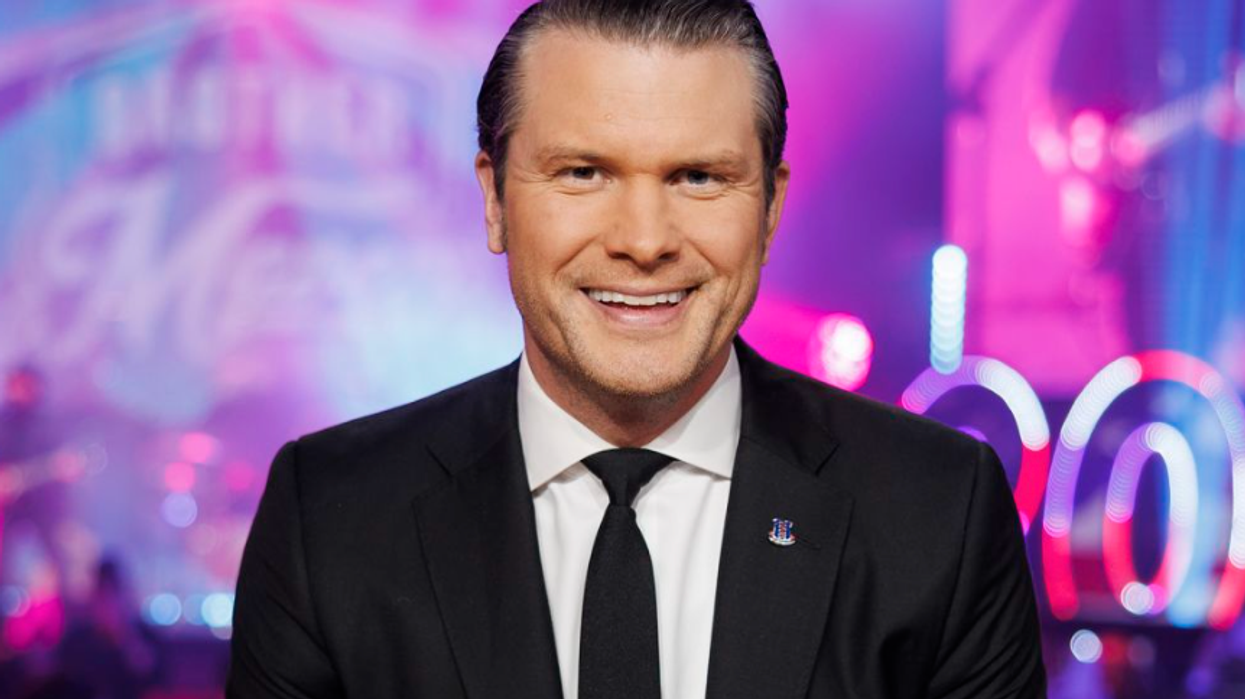
A new report from the Financial Times found that Defense Secretary Pete Hegseth’s stockbroker “contacted BlackRock in February about making a multimillion-dollar investment in the asset manager’s Defense Industrials Active ETF … shortly before the US launched military action against Tehran.” Financial Times noted that the ETF's “largest holdings include defence conglomerates RTX, Lockheed Martin and Northrop Grumman, which count the US Department of Defense as their biggest customers.”
But in his former role as a Fox News host, Hegseth slammed federal officials for alleged instances of “insider trading.” In a 2022 interview with Rep. Brian Fitzpatrick (R-PA), Hegseth touted a Wall Street Journal report highlighting “officials exposed … for trading stock in companies that their very own agencies regulate,” including one Department of Defense official who “bought a defense stock five times before it won new business from the Pentagon.”
Hegseth called out the actions as “insider trading,” criticizing the officials by saying, “They enrich themselves while they're supposed to be temporary public servants.”
PETE HEGSETH (CO-HOST): Thousands of government officials exposed in a new report for trading stock in companies that their very own agencies regulate. Our next guest is calling out the very clear and ongoing ethics violation and demanding House leadership take action. Pennsylvania Congressman Brian Fitzpatrick joins us now. Congressman, thanks so much for being here. Before we get into the topic real quick, here's a few more examples just to put some meat on the bone.
So more than 1,800 officials held major tech stocks while scrutinizing those companies. More than 60 officials traded company stock before their departments announced enforcement, so you might say they have some inside information. More than 200 senior EPA officials invested in companies that were lobbying that very same agency, 400 White House and State Department staff bought Chinese stocks while the U.S. considered blacklisting certain companies in that country. And not on the screen is the Defense Department. Officials collectively owned 1.2 million — 3.4 million of stock in aerospace defense companies. One particular official actually knew of a — bought a defense stock five times before it won new business from the Pentagon. Is this just everywhere, congressman?
REP. BRIAN FITZPATRICK (R-PA): Yeah, Pete. Good to see you this morning. Pete, there's a there's a huge gap in the law on the civil side, SEC rule 10 b 5, and on the criminal side, section 1348 of Title 18, which deal with, quote, unquote, company insiders. They deal with people that have a fiduciary responsibility to the company, but it doesn't deal with anybody that have an oversight role. And that would be government officials. That's members of Congress through their committee assignments who have access to information that is not available to the public. And also, as you just referenced, executive branch officials. You have EPA officials trading in oil stocks, you have FDA officials trading pharmaceuticals, you have DOD officials, as you just pointed out, the fading in — trading in defense companies.
So, they have to fix that gap in the law. There's a number of bills out there, Pete. Myself, Raj Krishnamurthy have one, it's HR 1579, but there's a number of them out there. They're bipartisan. This is one issue, Pete, by the way, that members of the Freedom Caucus and the Progressive Caucus all agree on. You're not going to find that very often, yet Speaker Pelosi won't bring them to the floor.
HEGSETH: I mean, it's insider trading. That's exactly what it is, legal insider trading. They enrich themselves while they're supposed to be temporary public servants. You say there's an agreement on the left and the right, but what about the leadership? Let's say Republicans get the gavel. Is there an appetite to bring this kind of real ethics reform?
FITZPATRICK: I hope so. I hope Kevin brings it. I believe he will, and I think that's a good way to show the difference between the different leadership styles. When we take over in January, I think the American public are going to like what they see from HR 1 through HR 10, which are going to be our top 10 priorities. I hope this is one of them, Pete, because we see the markets fluctuating all over the place going up or down two, three percentage points in a day, and that's largely because people are losing faith in the stability of the markets and the information that's disclosed out there. And when we define fiduciary duty only as people inside the company and not people with an oversight role, there's a huge gap in the law. And that's something that needs to be fixed, and there's legislation to fix it.
HEGSETH: Well, I don't know how — it seems like common sense to everybody else who's on the outside, but if you're in the inside and you can get rich, you start to not being willing to vote for things like this. I appreciate you staying on it, Congressman Brian Fitzpatrick. And, by the way, last time I saw you, we were on the very river depicted in that painting behind you, Washington crossing the Delaware. Appreciate your patriotism across the board.
From the Financial Times article:
A broker for Pete Hegseth, the US defence secretary, attempted to make a big investment in major defence companies in the weeks leading up to the US-Israeli attack on Iran, according to three people familiar with the matter.
Hegseth’s broker at Morgan Stanley contacted BlackRock in February about making a multimillion-dollar investment in the asset manager’s Defense Industrials Active ETF, the people said, shortly before the US launched military action against Tehran.
The inquiry on behalf of the high-profile potential client was flagged internally at BlackRock, according to the people familiar with the matter.
According to BlackRock, the $3.2bn equity fund, which carries the ticker IDEF, pursues “growth opportunities by investing in companies that may benefit from increased government spending on defense and security amid geopolitical fragmentation and economic competition."
With research by Tyler Monroe.
Reprinted with permission from Media Matters