At 'Washington Post,' Bezos' Bozos Struggle To Justify High Drug Prices
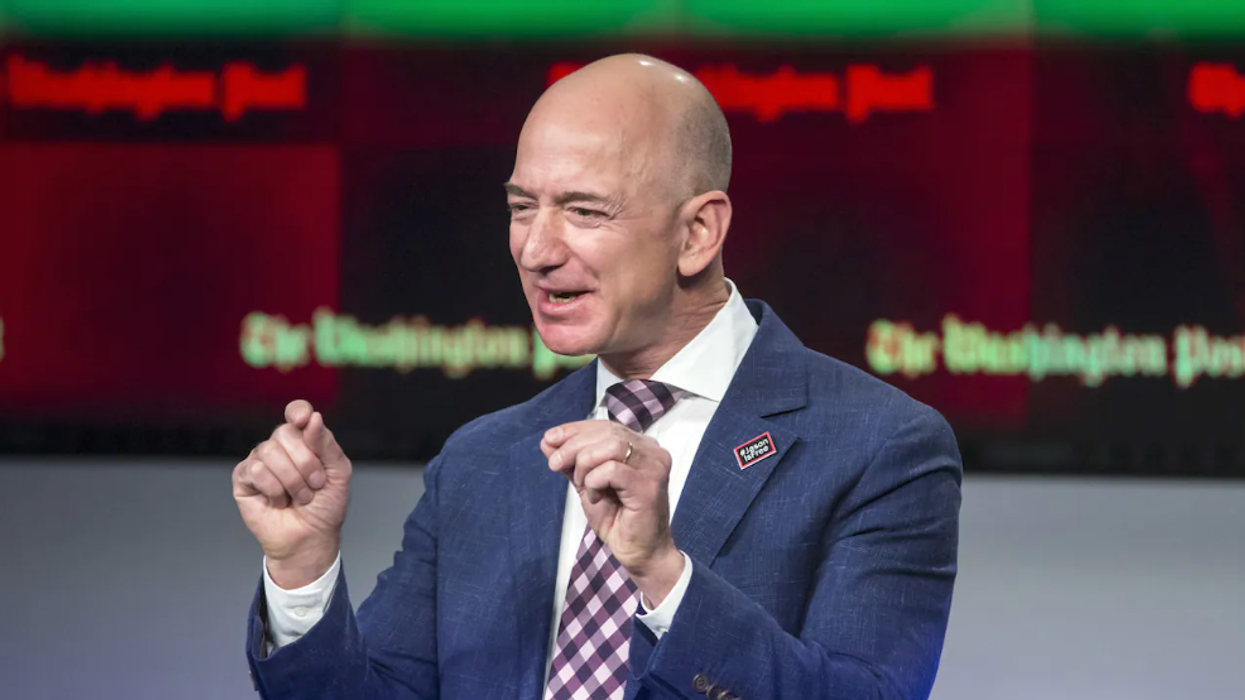
I am tempted just to ignore the Washington Trump-Post after Jeff Bezos’ purge, but perhaps there is some ridicule value that can be exploited for the purpose of educating the public. The Post ran an editorial complaining that people looking to lower drug prices in the United States were being short-sighted because it just means that we will see fewer new drugs in the future. It said the real problem is that Europe doesn’t pay enough for drugs because they don’t give drug companies unfettered government-granted patent monopolies, but instead limit prices based on a drug’s usefulness.
Two simple numbers show how ridiculous the Post’s argument is. Last year we spent over $720 billion on drugs and other pharmaceutical products. The industry spent around $150 billion on research. That means patients in the United States paid almost five times as much for drugs as what the industry spent on research.
It likely costs around $150 billion to manufacture and distribute the drugs. (We know this based on the price that generic drugs sell for.) That leaves the industry with $570 billion to cover $150 billion in research. The rest goes to profits, advertising, high pay for CEOs and other top executives, and payoffs to politicians, doctors, and media outlets.
Fans of arithmetic, which I guess excludes the Washington Post editors and other Trumpers, would know that Europe would be paying plenty to cover research costs, even if its prices were 40 percent of U.S. prices. The only thing that would be accomplished by raising the price of drugs in Europe is that Jeff Bezos’ rich friends would become even richer.
If we want to talk seriously about lowering drug prices, we would be looking to change the way we support research. Instead of relying on government-granted patent monopolies, we could just pay for the research upfront, say by vastly increasing the $50 billion we now spend funding research through the National Institutes of Health. Then all the research could be fully open source, with all patents in the public domain.
Not only would this mean that new drugs could be sold as cheap generics from the day they are approved by the FDA, but research would likely advance more quickly since new findings would quickly be made freely available. This would allow researchers all over the world to follow promising leads and avoid proven dead ends.
This way of financing research would also remove the enormous incentive the industry now has to lie about the safety and effectiveness of new drugs. We saw this problem most clearly with the opioid crisis where the industry misled doctors about the addictiveness of the new generation of opioid drugs, but the issue of misrepresenting research comes up all the time. It is exactly what economic theory predicts happens when a government monopoly allows companies to sell products at prices that are thousands of percent above production costs.
I have been screaming about the corruption of the pharmaceutical industry for a long time and pushing direct upfront funding as an alternative. I am happy to see a new paper from Dana Brown at the Vanderbilt Policy Accelerator making the same argument.
There’s an old saying that intellectuals have a hard time dealing with new ideas, and direct upfront funding of pharmaceutical research is certainly a new idea to people who can’t imagine an alternative to patent monopolies. Also, since the major media outlets are controlled by rich people like Jeff Bezos, they aren’t anxious to publicize policies that could cost their rich friends hundreds of billions of dollars.
But at least folks who read my stuff can know. The Washington Post is lying to you. There are more efficient mechanisms to finance biomedical research which can give us both lower drug prices and better medicine. Drugs can and should be cheap, we don’t have to make them expensive with patent monopolies. Maybe one day we will be able to have a serious discussion about alternatives to patents to finance the development of new drugs.
- There’s Rich, Ugly Rich, And Jeff Bezos ›
- The Media's Rich Owners Want Generations To Fight Each Other -- Not Classes ›
- Medicines For The People: Drugs Are Cheap Unless Patents Jack Up The Price - National Memo ›