Tag: pesticides
Zen Honeycutt

MAHA Moms Denouncing Republican “Traitors” Who Voted For Farm Bill

The Senate Agriculture Committee last week passed the farm bill, a policy package that has repeatedly faced opposition from the “Make America Healthy Again” movement.

While the farm bill was being considered, MAHA advocates urged their followers to contact senators to vote “no,” arguing that the bill's language would fail to hold pesticide manufacturers accountable. Following the bill’s passage, advocates expressed frustration with Republican senators, highlighting tensions between a key faction of President Donald Trump's base and the broader GOP prior to the midterms.

MAHA vs. the farm bill

As the Senate Agriculture Committee reconsidered the farm bill, MAHA advocates asked their followers to call senators and urge them not to pass a package that would delay pesticide reviews and cut funding for regenerative agriculture, a pesticide-free farming method.

Several major MAHA accounts, including Moms Across America, Kelly Ryerson (known online as Glyphosate Girl) and Courtney Swan, joined in a September 14 post on Instagram urging their followers to contact five Republican senators — Alabama’s Tommy Tuberville, Iowa’s Joni Ernst, Kansas’ Roger Marshall, North Dakota’s John Hoeven, and West Virginia’s Jim Justice — and tell them to vote “no” on the farm bill.

MAHA activist Alexandra Munoz shared the post and commented, “This bill must be stopped! Don’t let them deregulate pesticides more!” The post was further shared in an Instagram story by MAHA podcaster Alex Clark, and the MAHA Mom Coalition included the call to action in a series of posts critical of the bill.

Zen Honeycutt, founder of Moms Across America, posted a video Tuesday morning encouraging her audience to call their senators to vote “no” on the bill. In an additional video posted the following day, Honeycutt elaborated, “We just want to let them know we will be watching their vote.”

She added, “If the Republicans lose the midterm elections and they are voting — doing things like this, like voting party lines instead of listening to their constituents — this will be one of the reasons why."

On Wednesday, the farm bill passed the Senate Agriculture Committee in a vote along party lines. The stalemate was broken by Sen. Mitch McConnell (R-KY), who has been privately dealing with health issues since at least June and reportedly returned to the Senate in part to break the deadlock.

MAHA advocates responded by expressing frustration, particularly with Republican senators.

Vani Hari (known online as the Food Babe), Munoz, Ryerson, and Swan shared a post condemning the passage of the farm bill. Hari wrote, “What happened with the Farm Bill today is absolutely insulting to the American people. Congress had an opportunity to demand MORE accountability for the chemicals being sprayed on our food.” The caption included a “Traitor list” naming a dozen Republican senators.

Ryerson also separately posted an image of McConnell returning to the Senate with the caption, “Ailing Sen McConnell dragged in from medical leave to VOTE TO DEFUND REGEN AG and POSTPONE GLYPHOSATE REVIEW.”

In a new video, Honeycutt said, “We're very disappointed. I’m going to read the Republicans who voted for the farm bill, which is not what their constituents want.” She also claimed that McConnell “did not have the wherewithal, he was not in mental or physical fitness to be able to do that vote, that should absolutely not be allowed.”

She then read a list of Republican senators who voted to pass the bill, adding, “Folks, the Republicans need to hear from you.”

Recap: MAHA vs. glyphosate

This spring, the herbicide ingredient glyphosate became a particular rallying point for MAHA advocates as the Supreme Court prepared to hear a case that would shield Bayer, the manufacturer of the glyphosate-based Roundup, from liability. As CNBC reported, “The Environmental Protection Agency does not classify glyphosate as a carcinogen and does not require labels to disclose cancer risk, but the World Health Organization’s International Agency for Research on Cancer in 2015 said the chemical is ‘probably carcinogenic to humans.’”

The issue was further charged in March after the Trump administration, which had signed an executive order promoting glyphosate production in February, wrote an amicus brief to the Supreme Court in support of Bayer.

In response, MAHA advocates organized “The People vs. Poison” rally in D.C. on April 27. The protest prompted the House of Representatives to remove language from the farm bill that MAHA figures said would also have shielded pesticide manufacturers from liability. The bill passed the House without the pesticide protections just a few days later, and MAHA celebrated the win.

The victory was short-lived, however. In late June, the Supreme Court decided in favor of Bayer, finding that “that the company can't be sued in state courts because federal regulations have found a cancer link unlikely and do not require a warning label.”

Then, in early August, Senate Republicans voted down a Democrat-led amendment to the farm bill that would have allowed injured parties to file suit against pesticide companies. The legislation then stalled in committee, according to The Hill, thanks primarily to Democratic members who oppose a “provision in the bill that would require states to help cover the cost of Supplemental Nutrition Assistance Program (SNAP) funding.”

Reprinted with permission from Media Matters
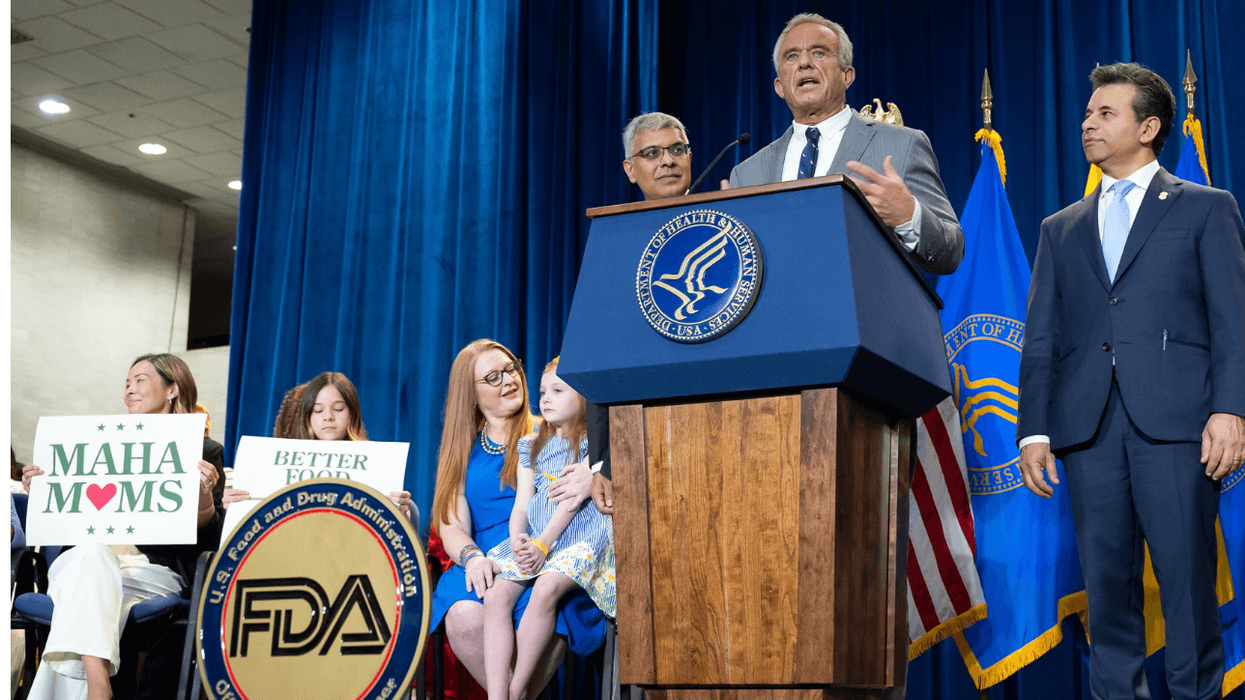
Dear MAHA Moms: Don’t Be Surprised When Bobby Sells You Out

Dear MAHA Moms: Don’t Be Surprised When Bobby Sells You Out

The fans and followers of Robert F. Kennedy Jr. are now learning what others have known for decades: You can rely on him to lie whenever it is expedient and profitable, and you can’t rely on him to uphold any principle except his own advancement.

That unpleasant jolt of awareness struck the devoted legions of Kennedy’s “Make America Healthy Again” movement when he dropped their priorities in obedience to the corrupt Trump White House. Across the country, stunned “MAHA Moms” and influencers watched their idol Bobby meekly endorse the president’s decision to rapidly increase production of glyphosate – a ubiquitous pesticide they consider deadly.

Back during the 2024 campaign, Trump promised he would empower Kennedy to “ensure that everybody will be protected from harmful chemicals, pollutants, pesticides,” a category that clearly included glyphosate, known commercially as Roundup. In a June 2024 social media post, Kennedy wrote that glyphosate is “one of the likely culprits in America’s chronic disease epidemic…Shockingly, much of our exposure comes from its use as a dessicant [drying agent] on wheat, not as an herbicide…My USDA will ban that practice.” He noted that across Europe, the use of glyphosate is sharply restricted or even banned.

Flash forward to February 18, 2026, when the president issued a directive that not only failed to reduce the use of glyphosate but will rapidly increase its production. Kennedy responded with a wag of his tail and a press release that echoed the usual Trumpian tropes about “America first” (and downplayed any specific mention of the pesticide’s name). Expanding the availability of the substance he had many times denounced as “poison,” he declared, would “protect American families.”

The reaction of Kennedy’s civilian cadre was swift and horrified. Zen Honeycutt of Moms Across America, a grassroots MAHA organization, accused Trump of placing “toxic farming and businesses” ahead of children’s health – and said he had betrayed “every voter who voted for him to [Make America Healty Again].” Kelly Ryerson, an influencer who goes by “Glyphosate Girl” on X, warned that she was seeing “the bottom drop out of MAHA,” a dire forecast for Republicans already pessimistic about their midterm prospects.

Perhaps the MAHA masses shouldn’t be quite so surprised that Bobby betrayed them, since this double-cross has been in the wind for months. When the Trump White House released its much-publicized interagency “MAHA report” last year, its hundreds of pages barely mentioned pesticides or toxic chemicals and equivocated on glyphosate, noting that human studies of its carcinogenic effects are “limited.”

Evidently the outraged MAHA moms weren’t listening to Bobby last year when he told a Senate committee that “we [the Trump administration] cannot take any step that will put a single farmer in this country out of business…One hundred percent of corn in this country relies on glyphosate. We are not going to do anything to jeopardize that business model.” (Farmers driven bankrupt by Trump’s tariffs may be excused for being skeptical.)

That is a complete reversal of Kennedy’s stance from the years when he was suing the makers and distributors of glyphosate on behalf of cancer victims and earning millions of dollars for himself from those successful lawsuits. He’s still collecting the proceeds, according to his most recent financial disclsoures, which show about $2.4 million in referral fees from a law firm handling lawsuits on behalf of individuals who got sick after glyphosate exposure.

The harsh truth behind his first year as health secretary is that Bobby has succeeded most with the least popular aspect of his agenda, the longstanding campaign against vaccines that first marked his turn toward the far right. Abusing his control of the Food and Drug Administration, the Centers for Disease Control, and the National Institutes of Health, he has inflicted grave damage on public health and vaccine research.

Kennedy has far less authority over environmental policy, including the use of toxic chemicals and pollutants such as mercury. Indeed, he has kept dishonorably silent while Lee Zeldin, the politician appointed by Trump to dismantle the Environmental Protection Agency, oversees ruinous deregulation schemes that insure the spread of mercury, “forever chemicals,” and sundry lethal toxins across the American biosphere.

MAHA was always a gauzy construct, serving less as a movement for change than as a handy instrument of deception by manipulative politicians like Trump and his acolyte Kennedy. When Bobby abandoned everything that his family had represented for half a century and pledged fealty to a crooked authoritarian, the eventual denouement should have been obvious: A man who sells out his family legacy is certain to sell out his followers.

He just got there even sooner than we expected.

Joe Conason is founder and editor-in-chief of The National Memo. He is also editor-at-large of Type Investigations, a nonprofit investigative reporting organization formerly known as The Investigative Fund. His latest book is The Longest Con: How Grifters, Swindlers and Frauds Hijacked American Conservatism (St. Martin's Press, 2024). The paperback version, with a new Afterword, will be published in February 2026.

Reprinted with permission from Creators

What Will Happen If We Lose The Bees To Pesticides? Let's Not Find Out

What Will Happen If We Lose The Bees To Pesticides? Let's Not Find Out

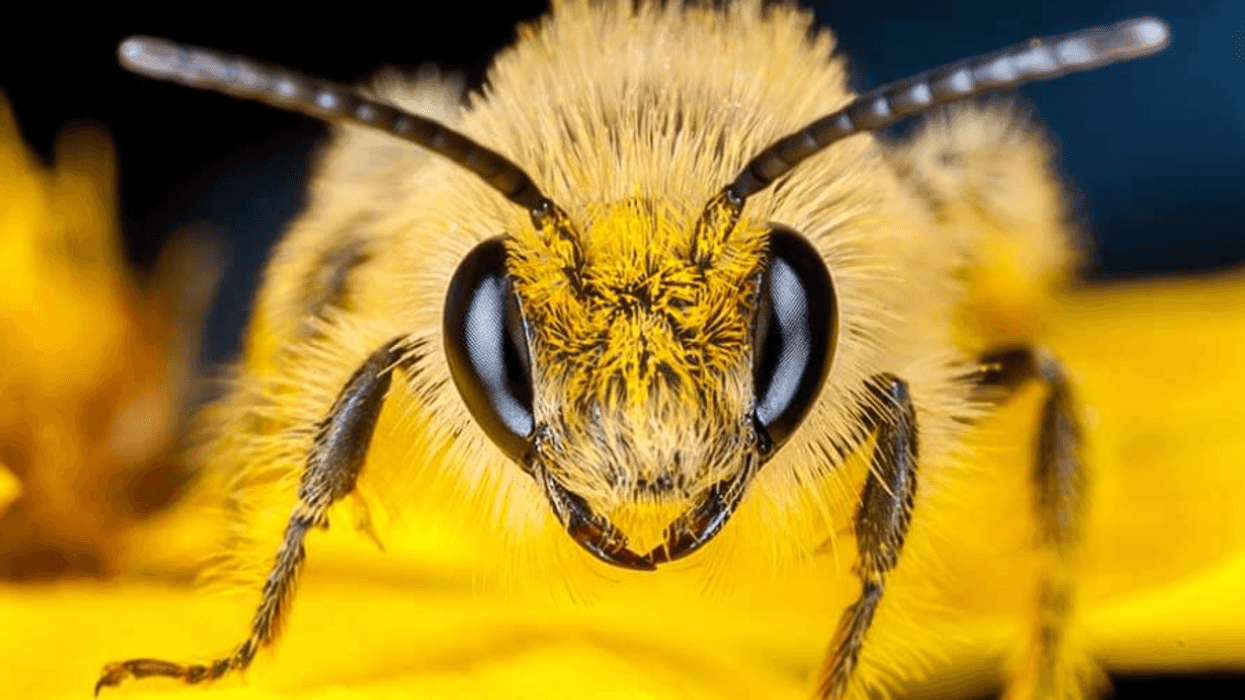
If we were to lose the bees, as now seems increasingly likely, humanity would collapse after four years. They pollinate about a third of our food. But if the insects were to disappear altogether, then even more than our food supply and quality of life would be affected. Entire ecosystems and inevitably civilization itself would collapse. Even now an enormous proportion of world insect species are endangered. Without them half of all birds would disappear and our world would become unrecognizable, a world we would not want to inhabit.

We have visited the Monarch butterfly sanctuary in Michoacan, Mexico, where the butterflies arrive after a 3000-mile journey from Canada through the United States in the longest insect migration on earth. To see the butterflies engaged in their aerial acrobatic flights is one of the world’s great spectacles. Everyone in North America should be concerned that the population of this unique iconic species has dropped by 80 percent in the last generation due to habitat destruction – and to genetically engineered crops which have been modified to resist Monsanto’s Roundup herbicide which destroys the Monarch species’ main food supply.

Spellbound by the numbers and huddled masses of the Monarchs we beheld in the oyamel forests over 16 years ago, we left the refuge very slowly. Local rangers made sure no-one drove more than five miles an hour so that not a single monarch would be hurt or hit by our vehicle. Yet all the while, in the United States our agricultural policies are committing mass murder of one of nature’s most exquisite species .

But it is not just the Monarch Butterfly that is threatened. Many bee species and nearly half of all insects have seen their numbers drop worldwide. As climate change exacerbates the destruction of their habitat, insects and fauna of all kinds face a very uncertain future. The United States still permits the use of 72 pesticides that are outright banned or will soon be in Europe, Brazil, and even China. More than 300 million pounds of pesticides banned in other countries are used in this country annually, in a military-type assault on agricultural lands. The banning of these pesticides will be largely up to the very industries that use them, but the people need to make their voices known. Until these chemicals are outlawed, we are committing ecocide on our own lands.

These chemical can also kill human beings, of course. The glyphosate-based weedkiller in Roundup has finally been brought to justice in the first cancer trial exposing that pesticide’s effect. After using the Monsanto insecticide, a farmer named DeWayne Johnson got non-Hodgkins lymphoma, a deadly form of cancer. Now Monsanto will have to pay $289 million in damages to Johnson. The only hitch is that he will probably not survive much longer.

Monsanto has allegedly concealed the facts about Roundup ever since its introduction on the market in 1974. Since then over 1.6 billion kilograms of glyphosate have been distributed over the American food supply – and over the past 20 years, the average amount of glyphosate assimilated into humans has increased by 1000 percent. The Johnson lawsuit only begins to reflect the damage done to the environment and people, with 8000 additional plaintiffs awaiting trial.

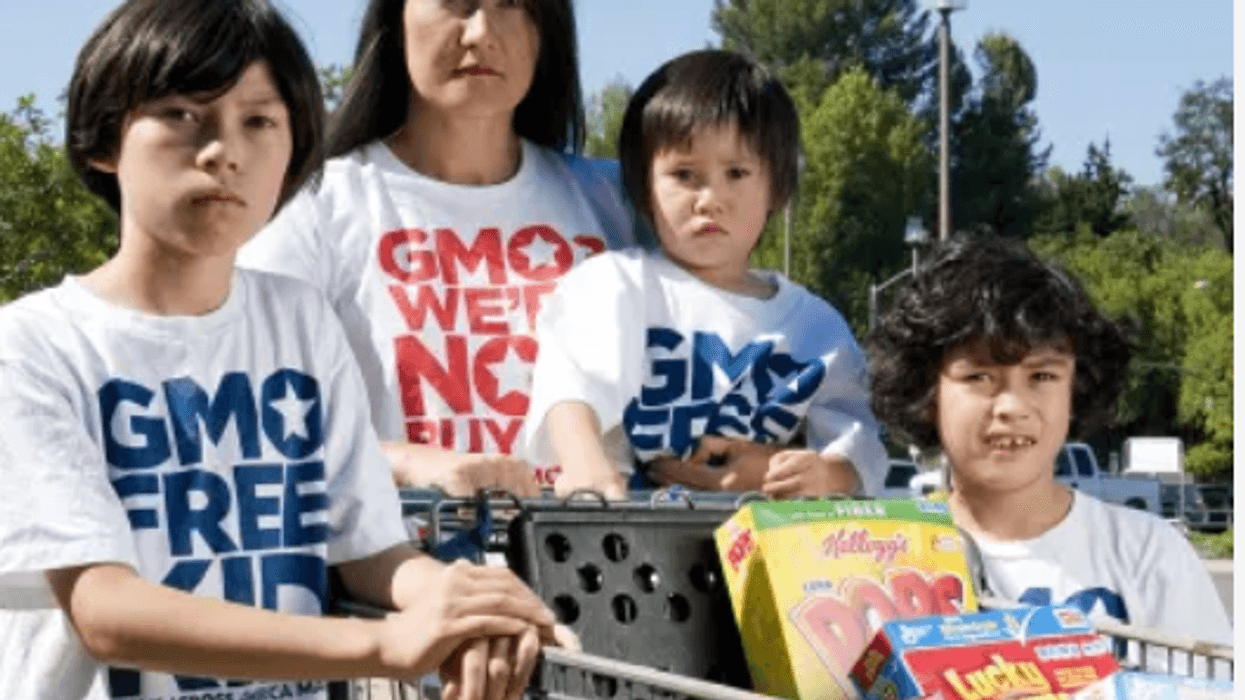
Anyone who believes they can escape the ill effects of pesticides should realize that breakfast cereals also contain glyphosate – and the average American consumes 10 pounds of cereal every year. The Lucky Charms leprechaun and that jolly Quaker fellow on the oatmeal box should be replaced with a death’s head. Too little and too late, the Environmental Protection Agency is reconsidering the impact of glyphosate and Roundup on human health and the environment, including the Monarch butterfly habitats. But the World Health Organization has determined already that glyphosphate is a deadly carcinogen.

Farmers have been using glyphosphate on crops at the time of harvest, incuding peas, carrots, soy products, sweet potatoes, corn, almonds, quinoa, and others. The impact on the body’s biochemistry, especially as it pertains to inflammation and the gut is substantial. We are all being affected.

Critically endangered species are being harmed by pesticides and herbicides daily, as is our vulnerable topsoil. Retailers such as Home Depot need to be persuaded to stop supplying Roundup before our food system crashes. In this time of extreme climate change, the last thing we need is to lose the insects, those very beings we have taken granted for millennia.

In Europe, regulators have taken a far tougher position on pesticides. France has been careful to ban five neonicotinoid chemicals from agricultural use because they are known to wreak havoc on pollinating bees. Europe’s top court ruled that the chemicals posed a “serious risk to human or animal health or to the environment.”

The United Nations has issued an alert that half of pollinators, bees and butterflies included, are at immediate risk of disappearing forever. Worsening floods, drought, and serious climate disruption are occurring already. If we don’t reverse course, we will have poisoned the very foundation of this country, its soil. Without the soil there can be no civilization. In the corn belt, America has already lost half of its topsoil. By 2050, as much as 75 percent of the world will be suffering from drought.

Global famine is just around the corner if we don’t save the insects by adopting sustainable farming methods. The industrial use of pesticides is eliminating the insects we depend on and will eventually undermine the viability of our species. The insects, those tiny creatures that uphold the world, have warned us.

Study Says Early DDT Exposure May Set Up Females For Obesity, Diabetes

Study Says Early DDT Exposure May Set Up Females For Obesity, Diabetes

By Melissa Healy, Los Angeles Times

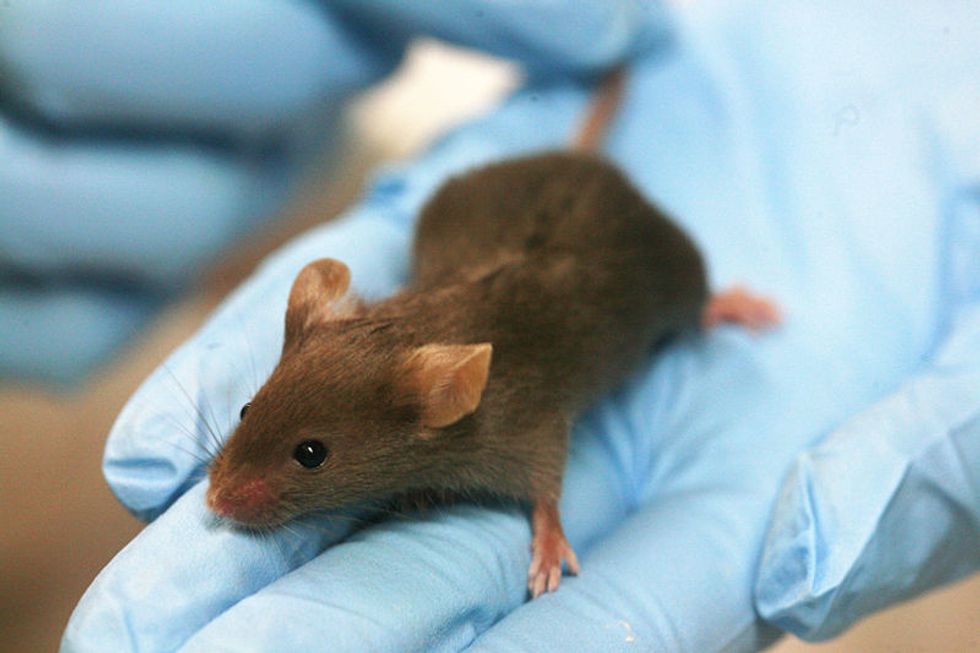
As they reached adulthood, female mice who were exposed in utero and just after birth to the pesticide DDT showed metabolic changes that put them at greater risk for obesity and Type 2 diabetes, a new study says.

The metabolic abnormalities seen in the exposed female mice were dramatically exacerbated when they were fed a high-fat diet for 12 weeks in adulthood. Compared with unexposed mice who also ate a high-fat diet, females exposed to DDT around the time of their birth were more likely to develop high cholesterol, insulin insensitivity, glucose intolerance, and metabolic problems that could lead to liver disease.

The study, published Wednesday in the journal PLoS One, helps explain a consistent finding from epidemiological studies: In large populations, exposure to DDT and other persistent organic pollutants, or POPs, is linked to increased rates of Type 2 diabetes, obesity, and worrisome cholesterol.

Such studies could not establish a cause-and-effect relationship between pesticide exposure and these ills. But the latest study takes a major step in that direction. By directly comparing lab mice deliberately exposed to DDT during gestation and infancy with members of the same breed who were not, researchers set two identical populations on very different tracks, and consistently gathered a wide range of health-related measures from birth to death.

Experimentation on mice has its limits in illuminating physiological processes in humans. But the mammals’ compressed lifespan and the broad similarity between the inner workings of mice and human have made the small creatures a useful stand-in for us.

The study confirms that DDT exposure sets in motion circumstances that increase an individual’s likelihood over the course of her lifespan of accumulating excess fat, and of metabolizing fats and carbohydrates in ways that increase the risk of developing metabolic syndrome — a precursor to Type 2 diabetes.

But the study also underscores that, when it comes to DDT exposure, cause and effect may be separated by a lengthy delay. In lab mice, repeated exposures to DDT “within the range of contemporary human exposures” came during the second of gestation and within the first five days of life.

In young adulthood — around two months — researchers noted that DDT-exposed females had a slightly lower core temperature than their non-exposed sisters, and seemed to expend fewer calories in day-to-day activities. DDT-exposed female mice were slightly heavier and carried a bit more fat as young adults — two to five months after birth.

But it wasn’t until they were 6 months old that DDT-exposed females showed clear signs of impaired glucose tolerance, fasting glucose, insulin, and lipid levels. And when the two groups of mice were put on a high-fat diet at age 6 months, the trajectories of their weight and their metabolic health diverged even more dramatically.

That delayed response could help place DDT in the pantheon of influences that have contributed to a steady uptick in obesity and Type 2 diabetes among Americans during the 1970s, ’80s, and ’90s — and in the later appearance of the same trend throughout the developing world.

From the late 1940s until it was banned in 1972, DDT was widely used in the United States and throughout Europe to control mosquitoes and other insects carrying malaria, polio, and typhus. After evidence of its toxic effects on wildlife prompted the United States to outlaw its use, DDT continued to be a mainstay of agricultural pest control in many poorer countries for years, and is still used for malaria control in some of the world’s poorest countries.

But the study also underscores that DDT exposure may not by itself have set in motion the world’s obesity crisis. In order for its effects on basic metabolic function — in females at least — to turn into a public health crisis, a new factor unique to modern human society may also have needed to be in place: the flowering of a vast commercial empire built on offering copious amounts of highly-palatable food to creatures with an evolved drive to consume and store as much energy as could be had.

Another key question is how, when DDT exposure appears primarily to affect females’ physiological function, it could possibly explain an obesity crisis that has affected both genders roughly equally. The authors of the latest research found subtle changes in the expression of genes that influence metabolic processes. Only further study will determine whether such changes may be passed on to future generations — and across genders.

Photo via WikiCommons

Interested in health news? Sign up for our daily email newsletter!

Shop our Store

Headlines

Editor's Blog

Trending

World