Pardons, Sopranos Style: Indictment Of MAGA Lobbyist Exposes Systemic Rot
Joshua Nass
A fixer is owed money. The client won’t pay. So the fixer turns to an enforcer: How far should I go? Do you want him hurt? A broken jaw? A missing finger?
The fixer’s answer: do “anything and everything” to collect.
It has the makings of a mob drama. Except it’s all true. And this isn’t North Jersey. It’s Washington, D.C. And the product isn’t illicit goods—at least not in the traditional sense.
It’s presidential pardons.
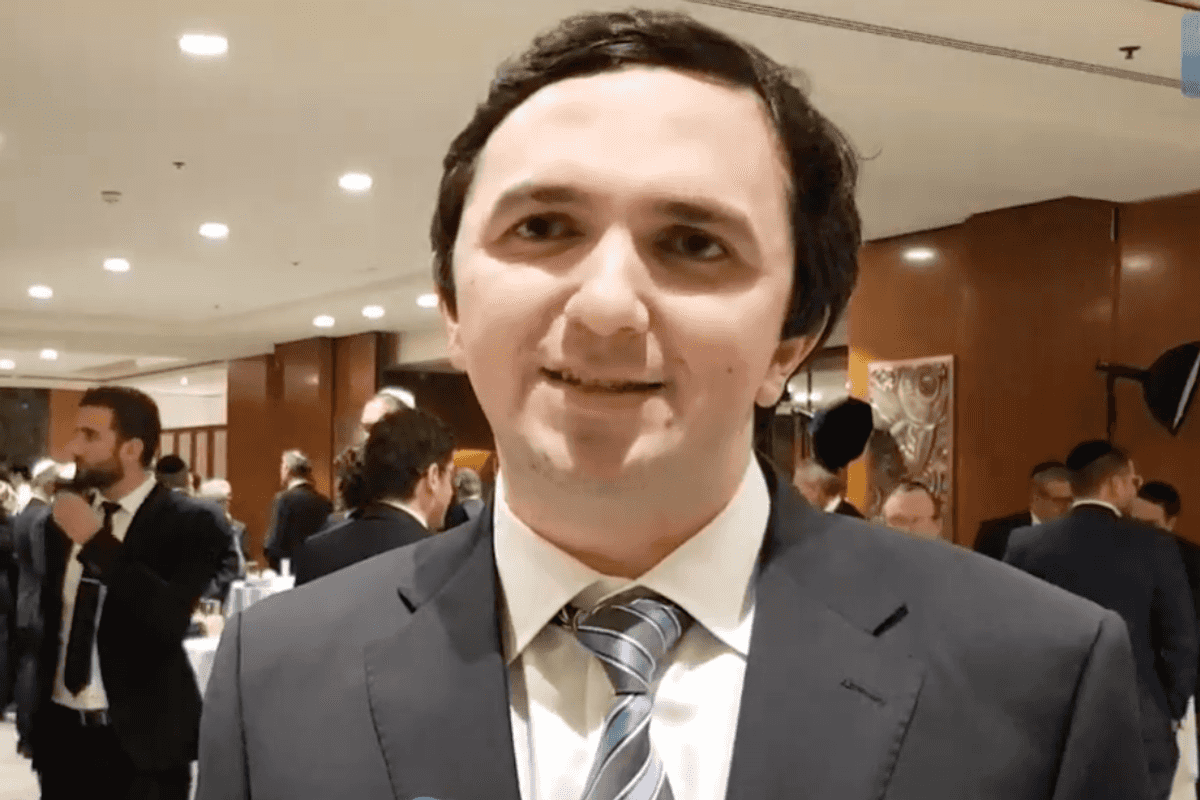
Josh Nass is a Washington lawyer who recently helped secure a presidential pardon. He now faces criminal charges for extortion.
Nass’s story illustrates a larger point. When a president turns the pardon power into a favor-trading racket, the corruption radiates outward—into the lawyers, fixers, and enforcers who operate in its shadow.
Nass is a conservative lawyer and lobbyist who circulates in MAGA circles and reportedly purchased property in Trump Tower, an immediate credential for proximity to the boss. He is one of a growing number of figures operating in the shadows of Trump’s pardon bazaar, advertising access and charging would-be recipients six- and seven-figure fees.
Figures from Rudy Giuliani to Corey Lewandowski have been drawn into this orbit. Giuliani reportedly sought as much as $2 million from a client for a potential pardon in 2020.
Nass worked the system successfully. That almost certainly means he traded not in the traditional currency of clemency—rehabilitation, remorse, equity—but in something else: proximity, flattery, politics.
But the client couldn’t pay the $500,000 contingency fee.
That happens to lawyers. When it does, they turn to the legal system—negotiate, restructure the debt, write it off, or, if all else fails, file suit.
But Nass had no interest in operating within the legal system. Instead, according to prosecutors in the Eastern District of New York, in filings seeking his pretrial detention, he hired someone he believed to be a thug enforcer to “persuade” the client to pay up, using the traditional tools of the trade: terror and violence.
That person turned out to be a confidential informant. The result was a series of recorded conversations and, now, an extortion charge. In the taped conversations, Nass and the informant discuss how far to take the intimidation.
Cut off a finger? Put a gun to his head?
Nass’s answer: do “anything and everything.”
And then, according to prosecutors, Nass offers a justification:
“You came to him as a human being… and he told you to go f*** yourself. So you can’t be a human being with him.”
It’s not hard to hear Paulie making the same argument to Tony.
The point is not simply that Nass allegedly crossed a criminal line.
It’s that someone like Nass exists at all, part of an ecosystem that has grown up around Trump’s transformation of the pardon power.
I’ve argued before that Trump’s use of clemency is among the most corrupt features of his presidency, not because of any single decision, but because the entire process has been reoriented away from law and toward personal and political advantage.
Nothing surpasses the pardons he issued on his first day in office to the January 6 marauders; they are a lasting stain on our history. But that was only the most visible example. He has since doled out a long string of pardons to flagrantly undeserving individuals for illegitimate reasons.
In some cases, the surrounding circumstances—for example, clemency for relatives of major political donors—have such a stench that they ordinarily would trigger oversight in Congress or criminal investigation. In Trump 2.0, fuggedaboutit.
The institutions that would ordinarily check the outrages have stepped back, stood down, or been sidelined. The Department of Justice sees no difference between Trump’s political maneuvers, however unsavory, and the letter of the law. Congress’s oversight is toothless. And the Supreme Court’s infamous immunity decision has removed criminal accountability from the field.
When pardons become a political commodity, a market grows around them. A December Wall Street Journal report suggests that the going rate for a Trump pardon clocks in at around $1 million.
Nass is illustrative of the seamy courtiers that pop up wherever influence is currency: lawyers and lobbyists charging enormous fees to people who would have no plausible chance at clemency in a system governed by principle.
They are not selling legal analysis or advocacy in any meaningful sense. They are selling access. And in the pardon racket Trump presides over, access is everything.
Deals like that don’t stay clean.
It’s not just that the pardon system has become transactional and unmoored from any legitimate consideration. It’s that everyone operating within it understands that, at the top, the usual legal constraints no longer apply.
If a president were trading pardons for money in an ordinary administration, that would trigger a criminal investigation. It would dominate the Justice Department. It would end presidencies.
Here, it barely registers. The reaction is muted, episodic, quickly overtaken by the next outrage. What would once have been disqualifying has become background noise under a president who makes corruption a feature rather than a bug of his administration.
And the signal from the top is unmistakable. The Supreme Court’s immunity decision does more than shield past conduct. It communicates that certain exercises of presidential power operate beyond the reach of ordinary law.
The actors in the president’s orbit respond accordingly. The boss makes the big money, and the capos exploit the system for a cut of the illicit proceeds.
Nass’s conduct isn’t an aberration. It’s the logic of the market.
When the product is illicit—whether drugs, stolen goods, or pardons—transactions don’t end in courtrooms. They end in leverage, and sometimes in violence.
The system has adapted to the premise that the president can do no wrong. Everything else follows.
The scandal is not the extortion charge.
The scandal is the system that made it entirely predictable.
- "The Pardon": A Play In One Act ›
- How Trump's January 6 Pardons Have Already Emboldened Violent Extremists ›
- Beyond Trump's Latest Crazy Pardon, Glimpses Of A Post-Trump America ›
- Pardoned January 6 Defendant Wants His Child Porn Indictment Dismissed Too ›
- Terrorists? Drug Smugglers? How Trump's Corrupt Pardon Promotes Criminal Networks ›
- Trump Pardoned Nursing Home Owner Who Owed Over $18 Million To Grieving Family - National Memo ›
- 'Corruption': Trump's Support Of Betting Markets Protects Family Investments - National Memo ›
- Man charged with planting bombs near the Capitol claims he’s covered by Trump pardon - POLITICO ›
- It was a billion-dollar fraud. The mastermind was sent to prison. Trump set him free. ›
- New York lawyer linked to Trump pardon charged with attempted extortion | Brooklyn | The Guardian ›
- Trump pardons wipe nearly $2 billion in victim repayment and taxpayer recovery for Medicare and tax fraud, and more | Governor of California ›