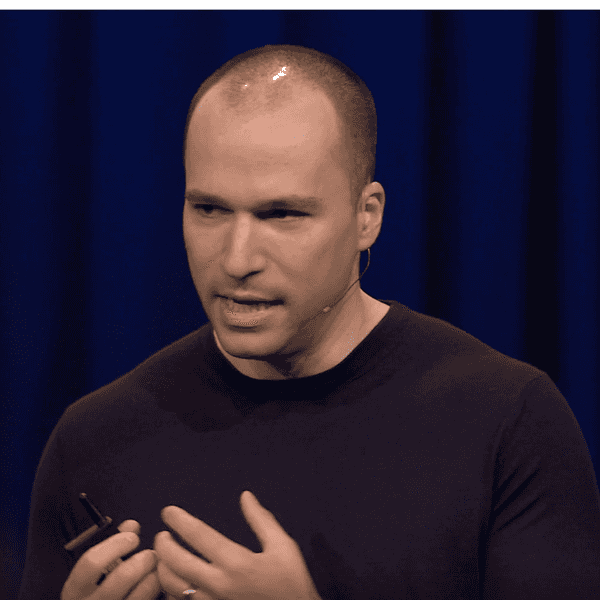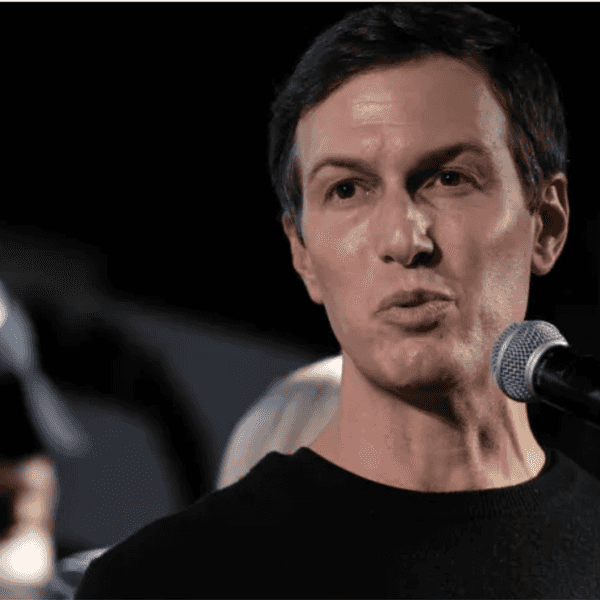
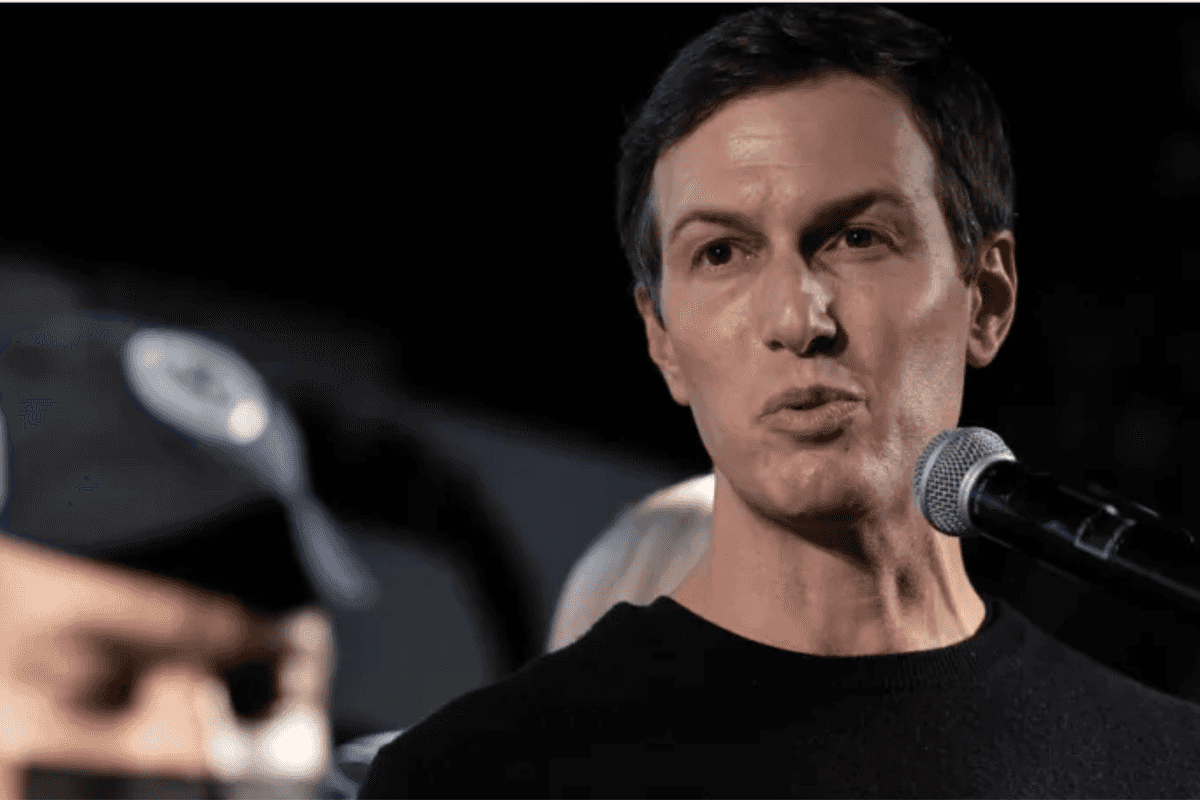
Jared Kushner speaking in Tel Aviv, Israel on October 11, 2025
President Donald Trump's son-in-law, Jared Kushner, is accused of being in a scandal one commentator compared to the Iran-contra scandal which marred President Ronald Reagan's administration.
Describing the recent book Princes and Thieves by investigative journalist Matthew Cole, The New York Times' Fintan O’Toole reported on Monday that "if Cole’s claims are accurate, Kushner’s political and financial relationship with the U.A.E.’s president, Mohammed bin Zayed (widely known as M.B.Z.), constitutes what must surely be the worst case of U.S. foreign policy being conducted outside the law and democratic oversight since the Iran-contra scandal during the Reagan administration in the 1980s."
O’Toole continued, "In that affair, government officials secretly sold arms to Iran and used the proceeds to fund — against the explicit orders of Congress — a violent right-wing insurgency in Nicaragua. What Cole alleges is, if anything, more consequential: that Kushner worked with the U.A.E. to shape U.S. policy across the Middle East and that, in the course of this work, he was given access to bank accounts containing roughly $2 billion."
He then emphasized that none of the allegations made by Cole have been proved beyond a reasonable doubt.
"Cole’s most significant sources remain anonymous," O'Toole wrote. "Recurring attributions in his notes include “a confidential source with direct knowledge” and “author interview with source who attended the meeting.” It is equally important to acknowledge that Kushner declined to be interviewed for Cole’s book. His lawyer described Cole’s allegations as “crazy, false and defamatory” and last week threatened legal action against Vanity Fair, which published an excerpt from the book."
O'Toole added, "To Cole’s credit, he recognizes that, even after five years of digging, “much remains unknown about Kushner’s relationships and agreements with the leaders of Israel, Saudi Arabia, Qatar and, especially, the United Arab Emirates.” What we have, then, is an incomplete and contested account of those dealings."
Kushner has also been faulted for his unorthodox style of communicating as a diplomat, which some experts argue lacks any appreciation for the craft of sensitive international negotiations.
"In the waning hours before the U.S. went to war with Iran, this February, Jared Kushner held a meeting with Iranian negotiators in Geneva — one last chance to avoid a conflict that would plunge the region into chaos and shock the world economy," reported reporter Derek Filkins in September. "Afterward, Kushner dismissed his counterparts as unworthy of his time. 'Lots of tricks,' he told reporters. 'They're basically playing games with us all over the place, and it's very, very slippery.'"
Filkins added, "Kushner, the boyish-looking son-in-law of Donald Trump, has been given an extraordinary brief in recent years. Along with Steve Witkoff, the president's special envoy, he has been charged with ending wars in Gaza, Ukraine, and just about anywhere else they might break out. Kushner, who is 45, has little regard for the craft of diplomacy."
Reprinted with permission from AlterNet
- Senate Democrats Open Probe Of Kushner's Billion-Dollar Foreign Deals ›
- GOP Oversight Chair Refuses To Probe Kushner's Mideast 'Influence Peddling' ›
- Defying Advisors, Saudi Prince Poured $2 Billion Into Kushner Fund ›
- How Kushner And Witkoff, Dimbulb Diplomats, Failed Utterly In Iran Talks ›
- Financial Analyst Exposes Kushner's Unprecedented Saudi Grift ›
- Trump Overruled Wary Intel Officials Who Withheld Kushner's Top Secret Clearance ›
- Kushner And Witkoff Secretly Consulted Kremlin In Drafting Ukraine 'Peace Plan' ›
- Kushner Identified As Target Of 'Highly Classified Whistleblower Complaint' ›
- Jared Kushner pushes back on report involving hacked phone, spies, billion-dollar transfer - CBS News ›
- Kushner eyes lawsuit after book claims multi-billion dollar grifting ›
- CREW sues to block Jared Kushner from acting as Trump envoy - CREW | Citizens for Responsibility and Ethics in Washington ›
- Jared Kushner's scandal denial spectacularly backfires as Dems demand answers 'under oath' - Raw Story ›
- Jared Kushner Threatens Legal Action Over Vanity Fair Claims - Newsweek ›
- The Art of the Deal: Jared Kushner’s Hacked Phone Revealed More Than $700 Million in Transfers ›
- r/law on Reddit: Hacked phone, alleged $2 billion in accounts and UAE-Saudi links: What Cole’s report claims about Trump's son-in-law Jared Kushner ›
- Watchdog group sues Trump administration over Jared Kushner’s government work ›
- Watchdog group seeks to block Jared Kushner from serving in his volunteer envoy role ›
Start your day with National Memo Newsletter
Know first.
The opinions that matter. Delivered to your inbox every morning