Social Security Cuts? Republican Nominees Dancing On Political Third Rail
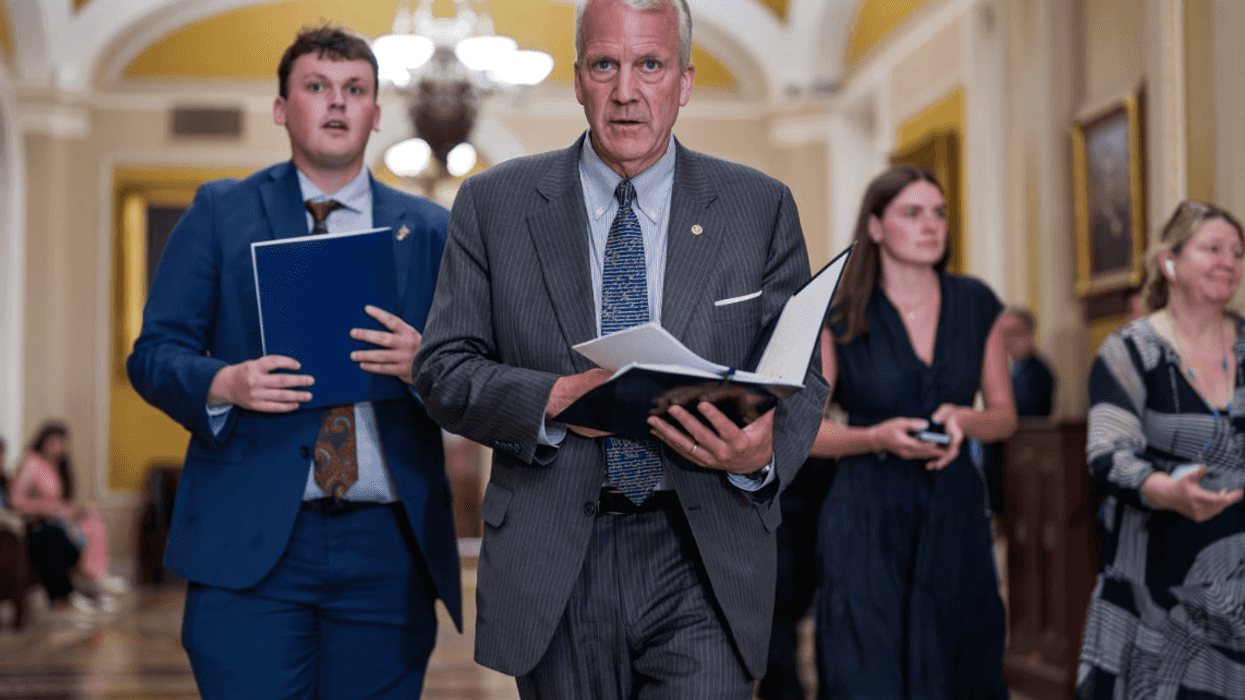
Sen. Dan Sullivan
Nearly every Senate Republican facing a tough reelection fight this year has flirted with cutting Social Security, the federal program that keeps 58 million seniors out of poverty.
Polling suggests that cutting the program is deeply unpopular, which is why it is often referred to as “the third rail of electoral politics.” A recent AARP survey found that 82 percent of American adults view Social Security as “very important.” Half of those enrolled in the program say they would not survive financially if their benefits were cut.
The issue reemerged last year when Treasury Secretary Scott Bessent said the White House’s tax-deferred investment accounts for newborns, known as “Trump accounts,” were a “backdoor for privatizing Social Security.” The accounts were part of the One Big Beautiful Bill Act (OBBB), which passed the House and Senate with only Republican votes.
Alaska Sen. Dan Sullivan celebrated OBBB’s passage and falsely claimed that the law “doesn’t touch Social Security.” The law will cut $1 trillion from Medicaid over the next decade to fund tax breaks that primarily benefit wealthy people. Those tax breaks will create less revenue for the Social Security trust fund, speeding up the program’s insolvency.
In 2014, when he was first running for the Senate, Sullivan suggested raising the retirement age and delaying Social Security benefits for future generations. He said “a younger generation of Alaskans or Americans can accept” such a change.
Sullivan is seeking a third term this year. His Democratic opponent is former Alaska Rep. Mary Peltola.
Florida Sen. Ashley Moody called OBBB “historic” when it passed and promised “this is just the beginning, and with President Donald Trump, we will not stop pushing forward.”
Moody was also a big fan of DOGE, the White House initiative that fired 14 percent of workers at the agency responsible for administering Social Security. This led to several Social Security field offices shutting down and longer wait times for those filing claims. Moody voted against multiple budget amendments to restore this funding.
More than five million of Moody’s constituents are enrolled in Social Security. She was appointed to the Senate last year to fill the seat vacated by Secretary of State Marco Rubio. She is now running for a full term against Democratic state Rep. Angie Nixon.
Like Moody, Ohio Sen. Jon Husted also voted for OBBB and against reversing DOGE cuts. He then went a step further by proposing a constitutional amendment that would compel Congress to balance the federal budget.
Currently, Social Security is mostly funded through payroll taxes. Those funds are held by the U.S. Treasury and disbursed to beneficiaries. Any surplus funds are invested in special Treasury bonds that are drawn on when tax revenues fall short.
A balanced-budget amendment would essentially make it illegal for the federal government to spend more in a given year than it collects in revenue. If tax revenues are insufficient to fund Social Security, the government would be prohibited from drawing on the bonds to make up the shortfall. The Center on Budget and Policy Priorities says this would inevitably lead to a cut in services.
The AARP says such a plan would be “devastating for millions.”
Husted will face former Ohio Democratic Sen. Sherrod Brown in this year’s election. Brown co-sponsored the 2024 Social Security Fairness Act that increased benefits for public workers.
Maine Sen. Susan Collins did not vote for OBBB, but she did vote to allow the legislation to be debated, clearing a key procedural hurdle and setting the stage for its eventual passage. North Dakota Sen. John Hoeven said Collins was a “team player” for doing so.
Collins has cast multiple votes weakening Social Security in her 29-year career, including a 2003 vote against creating a Social Security reserve account and a 2011 vote against tabling a budget bill that proposed cutting the program.
Collins is running for reelection this year against Democratic state Sen. Troy Jackson.
The Democratic Senatorial Campaign Committee (DSCC) plans to make Republican hostility toward Social Security a major issue in the midterms.
“In November, voters will reject Republicans’ attempts to put this critical program on the chopping block by electing a Democratic Senate majority that will stand up for seniors and protect Social Security,” says DSCC spokesperson Maeve Coyle.
Reprinted with permission from American Journal News
- Vouchers? Cutbacks? GOP Senate Candidates Threaten Medicare And Medicaid ›
- Top Senate Republican: Slash Social Security Or We'll Wreck US Economy ›
- Why Have Republicans Put Social Security On The Chopping Block? ›
- 'Work Till You Drop Dead': GOP Budget Torches Social Security -- And IVF ›
- Billionaires Like Bezos Demanding Social Security And Medicare Cuts Are Not 'Moderate' ›
- GOP Governor Urges Medicare, Social Security To Be Cut And 'Privatized' ›
- Social Security Deficits Are Caused By Inequality, Not Demographics ›
- Vulnerable Republican Incumbents Tout Endorsement By Social Security Privatization Outfit ›
- Opinion | Hey GOP! No One Voted to Cut Social Security | Common Dreams ›
- Mike Johnson: Republicans “Have a Plan” to Cut Social Security, Medicare, and Medicaid - Democrats ›
- Democrats Say the GOP Is Pushing For 'Deep Cuts' to Social Security - AOL ›
- Republican Budget Plans and Social Security ›
- GOP has a new plan to kill off Medicare and Social Security - Salon.com ›