Medicines For The People: Drugs Are Cheap Unless Patents Jack Up The Price
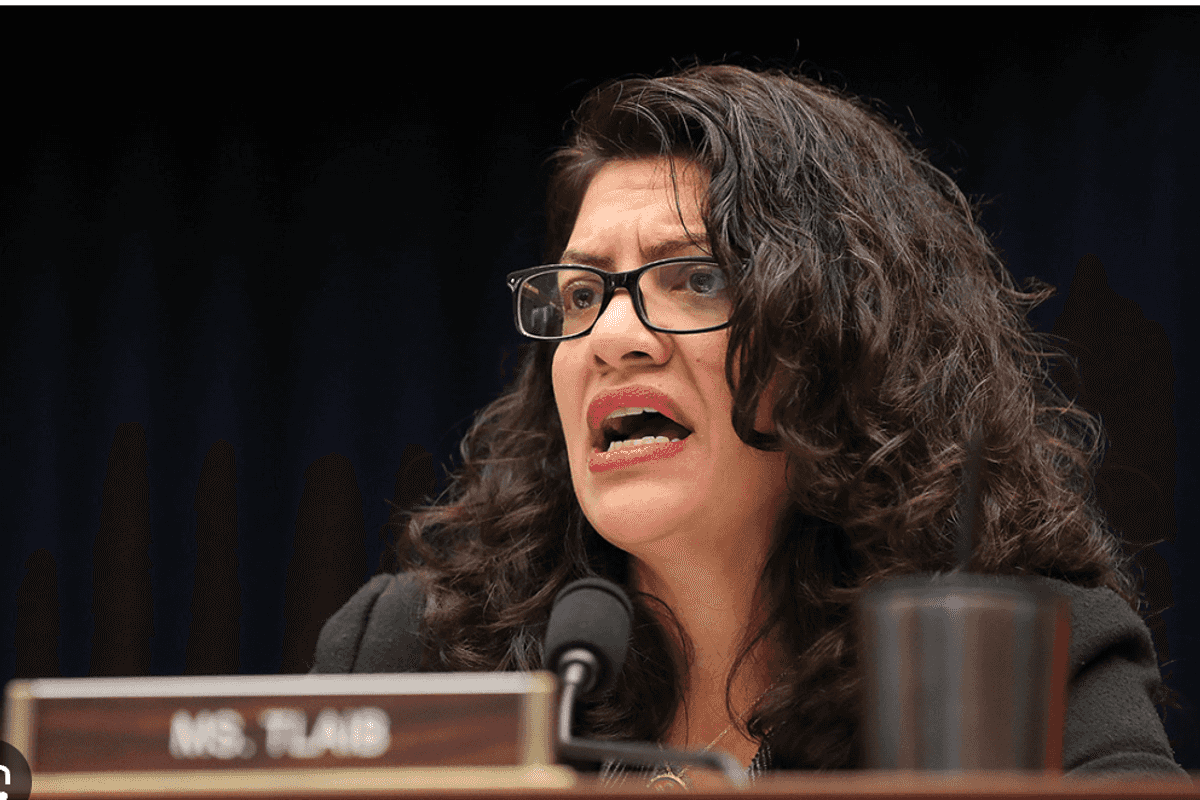
Rep Rashida Tlaib
It is common for people in elite circles to engage in magical thinking unconnected to reality. For example, it is common for people engaged in policy debates to claim that we can get returns in the stock market totally unconnected to the rate of growth in the economy or current levels of the price-to-earnings ratio in the stock market. (We can’t). That leads ostensibly serious people to project we can get stock returns of 10% a year indefinitely, even when the price to earnings ratio in the market is already near 40 to 1.
It also was the standard wisdom that we could reduce tariff barriers to manufactured goods without any substantial negative impact on employment and wages. Even when the data clearly showed that a soaring trade deficit was costing millions of manufacturing jobs, most of the people who dominate policy debates denied reality.
In this vein, it is a widespread view among policy types that we can’t get innovation without patent monopolies. This should strike the reality-based community as pretty whacked out. After all, patent monopolies are one way to provide incentives for innovation, but why in the world would any serious person think it’s the only way? It has been shown that people will work for money.
This is especially problematic in the case of prescription drugs. Drugs are almost invariably cheap to manufacture and distribute. Most drugs would sell for just five or ten dollars per prescription in a free market, but they can cost hundreds or even thousands of dollars because we give a drug company a patent monopoly.
And as everyone who has taken any economics knows, these patent-protected prices are an invitation for corruption. When a company can sell a drug for $500 that costs $5 to manufacture and distribute, they have an enormous incentive to lie about its safety and effectiveness in order to get as many people as possible to buy it.
We saw this corruption most dramatically with the opioid crisis, where the manufacturers of the new generation of opioids misrepresented their addictiveness in order to have them prescribed as widely as possible. This is an extreme case, but the problem of misrepresented research is widely recognized. Medical journals have to contend with ghost-authored articles and the medical associations have to worry that conference speakers are being paid by drug companies.
This sort of corruption would be largely eliminated if we simply paid for the research upfront and let new drugs be sold in a free market without patent monopolies or related protections. This is where Rep. Rashida Tlaib’s (D-MI) Medicines for the People Act comes in. The idea is to create a new division of the National Institutes of Health, the National Institute for Biomedical Research and Development.
This institute will be charged with developing drugs in important areas where it is responsible for everything from the basic research, developing an actual drug and doing clinical trials, and bringing it through the FDA approval process. At that point, since it has all rights to the drug, the institute could allow the drug to be sold at a low free market price.
In addition to the advantage of having cheap drugs and removing most of the incentive for corruption in the industry, the advanced funding of research should also allow for greater transparency and quicker sharing of research results. With patent monopoly financing, drug companies have incentive to squirrel away findings until they can secure them with a patent. By contrast, the institute’s interest is in promoting good healthcare. To that end, it would want to publicize any notable finding as quickly as possible.
Obviously, Rep. Tlaib’s bill is not about to pass. Republicans control both houses of Congress and are not likely to give it a warm reception. Even if the Democrats controlled Congress, it’s not clear that Tlaib’s bill would have much better prospects.
But Tlaib’s bill can be a jumping off point for a debate on the best way for financing the development of new drugs. It is absurd that an archaic system like patent financing can continue into the 21st century unquestioned.
We can do much better with an alternative system like the one outlined in her proposal. We need to at least have the discussion.
Dean Baker is a senior economist at the Center for Economic and Policy Research and the author of the 2016 book Rigged: How Globalization and the Rules of the Modern Economy Were Structured to Make the Rich Richer. Please consider subscribing to his Substack.
Reprinted with permission from Dean Baker.
- Right-Wing Pundits Apparently Profiting From Ivermectin Craze They Pushed ›
- At 'Washington Post,' Bezos' Bozos Struggle To Justify High Drug Prices ›
- How Trump's Patent Office Appointees And Big Pharma Delay Low-Cost Drugs ›
- Taxpayers—Not Big Pharma—Have Funded The Research Behind Every New Drug Since 2010 ›