Who Will Benefit From The Latest Version Of Trump RX? Not Most Consumers
I’m a relatively healthy 75-year-old man who takes one prescription drug, a generic statin to keep my cholesterol count below the level recommended for preventing heart attacks and strokes. Those levels were recently lowered by the American College of Cardiology and the American Heart Association, which will likely lead many more Americans to be eligible for taking the pills.
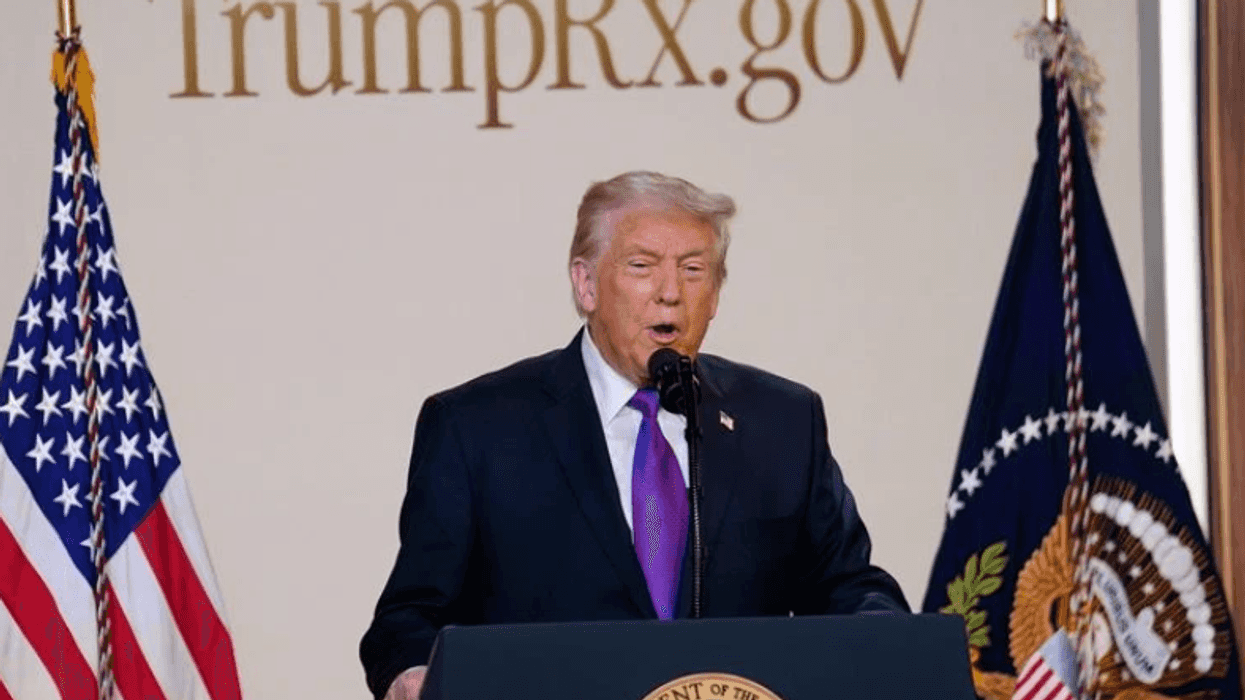
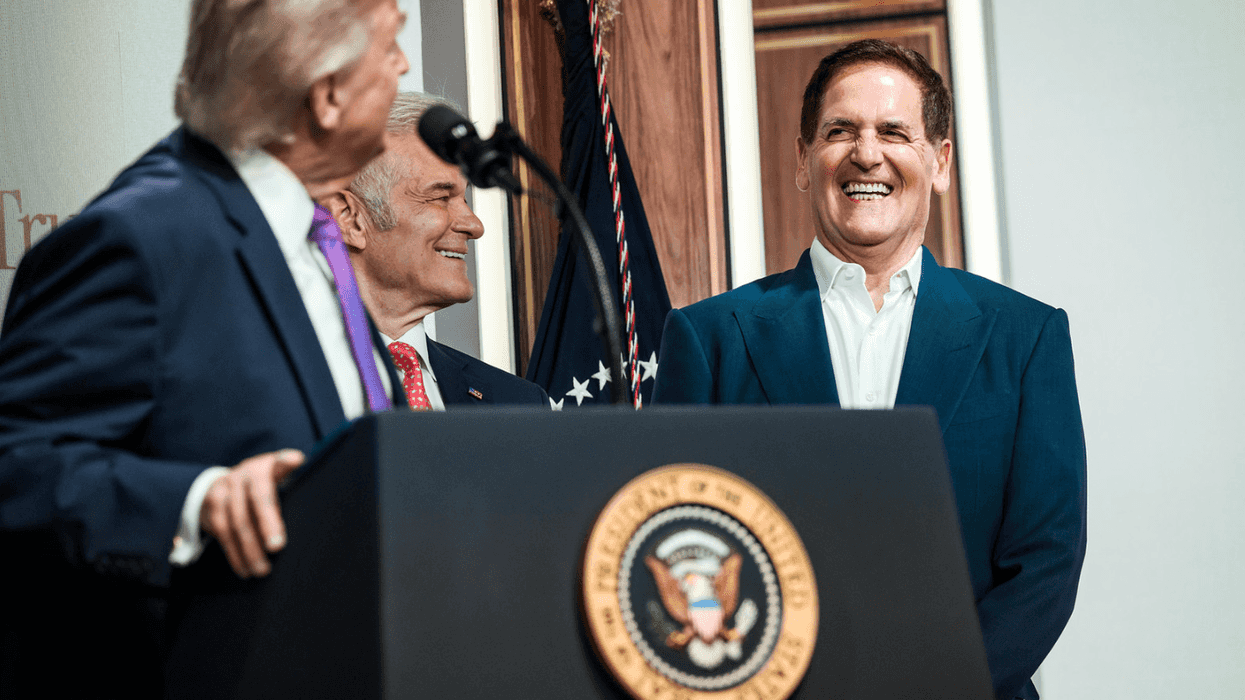
Both those facts piqued my curiosity about the announcement made Monday by Donald Trump with Mark Cuban, who runs Cost Plus Drugs, at his side. They were touting adding 602 generic drugs, including statins and blood pressure control meds, to TrumpRx, the government website that directs consumers looking for lower cost drugs to Cuban’s company GoodRx and Amazon Pharmacy.
Who will actually benefit from TrumpRx, I wondered, which is touting mostly generic drugs? And how much will they actually save?
First, I looked up what I could save by buying my generic statin from Cost Plus. Under my Medicare supplemental plan, which comes through my retired wife’s former employer (a public school system), CVS Caremark manages the pharmacy benefit. The PBM requires I pay a $20 co-pay at the pharmacy counter to obtain a 90-day supply of 20-milligram rosuvastatin, the generic name for Crestor.
Cuban’s Cost Plus mail-order website says it would charge me $7.85 for a 90-day supply plus a $5 shipping fee, thus saving me $7.15 for each refill or $28.60 a year. However, Cost Plus also tacks on a $5 pharmacy handling fee. It was unclear from the website if that was part of the $7.85. If not, adding that $20-a-year into the total cost would wipe out most of any savings for me.
I then called CVS Caremark to inquire about their savings should I decide to jump off their plan for those meager savings. I use the phrase “their savings” cautiously. I have no idea if my wife’s former employer or its plan’s medical insurer hires the nation’s second largest PBM, or how much either pays to CVS Caremark. Moreover, how much the PBM profits from the ultimate payer — the taxpayers behind the public employee retirement system — is unknown. So is the price it pays the generic manufacturer and any other middlemen that may have stuck their hands into the honey pot.
In any case, the call center operator told me the total cost to the PBM was $60.86 every 90 days. But that was before I paid $20 every three months at the pharmacy, so the cost reduction for everyone else would be about $164 a year, at least six times more than me. As noted above, how those savings would be divvied up between the PBM, the medical insurer and the employer-payer is safely contained in someone’s black box.
Will it benefit the uninsured?
How about the alleged major beneficiaries of TrumpRx — the uninsured who have to pay for any health care out of their own pockets? Their ranks are growing daily due to this year’s massive increase in rates for Affordable Care Act plans triggered by the regime’s handmaidens in the Republican-run Congress, who allowed the Biden-era increase in plan subsidies to expire.
When ACA-insured, the people dropping plans paid nothing for their cholesterol and blood pressure control medications, even if their plan had deductibles. All preventive services rated “A” or “B” by the U.S. Preventive Services Task Force must be offered free of charge under the ACA. Statins are rated “B.”
But under TrumpRx, those dropping coverage (or those that never had a plan in the first place) will have to pay the full cost. If they turn to Cost Plus Drugs, that would be at least $52 a year with maybe an additional $20 for the pharmacy fee.
Of course, both groups could run into trouble when renewing their prescriptions if they no longer have or never had a primary care physician. When signing up for Cost Plus Drugs, which I did today, I had to provide the name and contact information for my prescribing physician.
Even if they can get past that hurdle, people who are uninsured are usually pinching pennies. They no longer have a primary care physician. They don’t go in for routine checkups, which might identify when they have high blood pressure or dangerously elevated cholesterol. They are less likely to adhere to diets with less salt and less processed foods, which promote better heart health.
The ACA had it right. Drugs that have been proven to prevent serious diseases should be entirely free of charge to the consumer/patient. They are a wise investment that pays off in reduced hospitalizations and reduced complications from chronic diseases, which in turn reduces long-term health care costs. Plans like my supplemental should eliminate their co-pays entirely for such drugs, especially when they are generics like most statins and blood pressure meds.
TrumpRx sets up a financial barrier to access. It will decrease the population taking these important interventions. It is a public relations stunt designed to look like the regime is doing something about the high cost of drugs, which is entirely driven by the cost of new drugs coming to market and the high prices on those that remain on patent, not the extra fees PBMs tack onto prices.
Paying for value
One final thought: The regime is stepping up its pressure on European countries to raise their drug prices, which are substantially less than what is paid in the U.S. Why? Other advanced industrial countries are effective drug price negotiators. They refuse to pay more than the carefully calculated medical value of a prescription.
The U.S., on the other hand, insists that foreigners pay their “fair share” for innovation instead of using the same negotiating and value measurement tactics. Big Pharma’s argument — that the high cost of drugs is driven by the high cost of research and development — never held much water and has grown increasingly shallow given how much innovation has moved to China in the wake of the regime’s immigration policies and gutting of National Institutes of Health funding.
This Trump regime’s attempt to impose so-called reference pricing is, in essence, a strategy to maintain as much revenue as possible flowing to Big Pharma. It provides no long-term brake on rising costs. The U.S. would pay slightly less; other industrialized countries would pay slightly more; less developed countries would continue to go without the latest therapeutics; and the drug industry would maintain the status quo on profitability.
Merrill Goozner, the former editor of Modern Healthcare, writes about health care and politics at GoozNews.substack.com, where this column first appeared. Please consider subscribing to support his work.
Reprinted with permission from Gooz News