Trump Gave Crypto Bros Everything They Wanted -- And Their Assets Tanked Anyway
Ryan Cummings and I had an oped in yesterday’s NYT, wherein we ask and answer this question re crypto’s loss of trillions in value in recent months:
What took so long? Outside of crimes and scams, the technology is useless, and its economics are even worse.
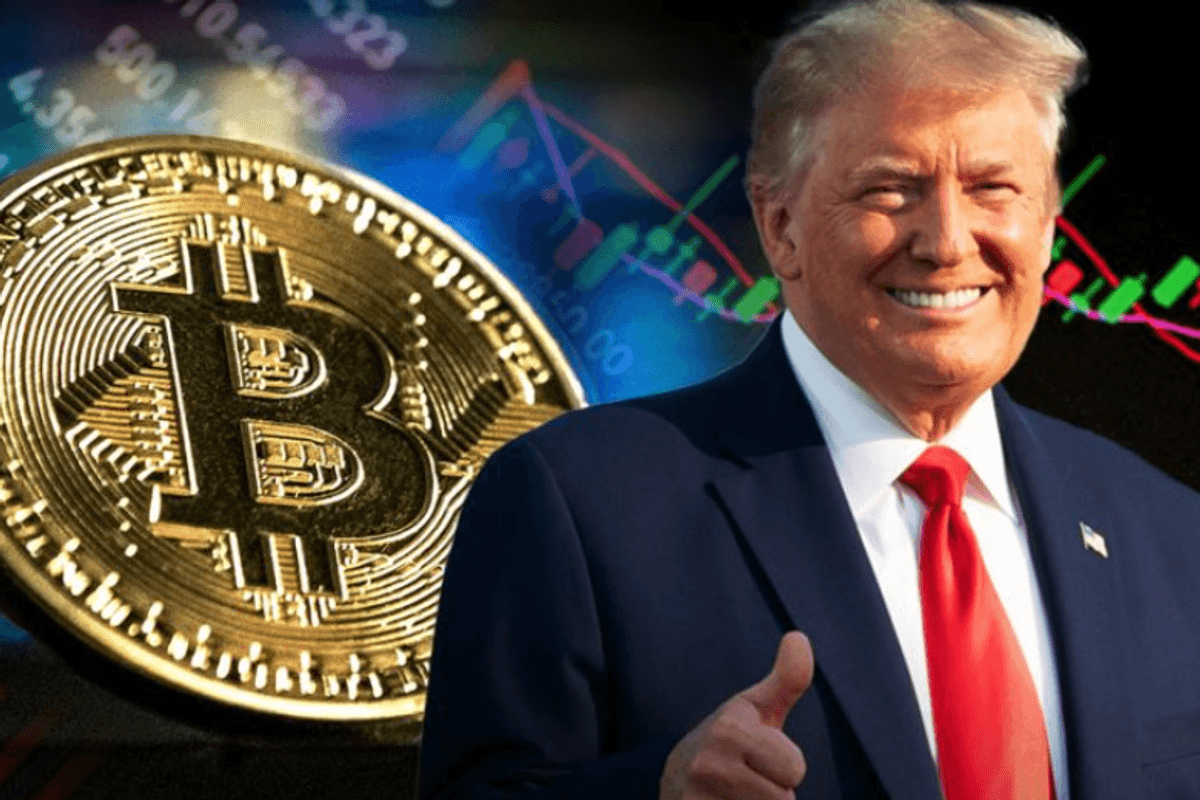
The answer is that crypto was held aloft for months by a period of euphoria that followed the extraordinary support the industry gained in the Trump administration. The crypto bros who spent millions getting Donald Trump elected seemed to get virtually everything they might want: a longtime industry investor elevated to White House adviser; one type of crypto given the imprimatur of the federal government; the near annihilation of effective regulatory scrutiny; invitations to White House dinners hosted by Mr. Trump.
But instead of cementing crypto’s legitimacy, the administration has only pulled back the curtain on the fundamental worthlessness of its assets. At a time when investors have growing skittish about riskier assets, the value of Bitcoin has fallen nearly 50 percent since October, dropping to below $70,000, proving it was only a matter of time before crypto faced the critical lens it always needed but never truly received.
Back in the day, for at least four reasons, a team of us at CEA were inherently skeptical about non-sovereign digital currencies, like Bitcoin and even more so, stablecoins, which are allegedly pegged to the dollar (one stablecoin=one dollar; in fact, there’s already been a few cases of stablecoins “breaking the buck”). First, especially given that Jeff Zhang (look up his work on this with Gary Gorton) was at CEA at the time, we knew the sordid history of private currencies meting out pain and sorrow. Second, we have a dollar—it’s the global reserve currency—so why do we need a mysterious coin tied to the dollar?
Third, the graybeards among us, i.e., me, had lived through numerous financial crashes and were well schooled in Minskian finance. The great economist/banker understood that as the business cycle progress and the last bust fades in the rearview mirror, investors get their risk back on and are prone to shiny new objects, be they synthetic derivatives and Bitcoin. The investors get ahead of, or, in the case of crypto, purchase, the regulators, and systemic risk proliferates.
Fourth, as we note in the NYT piece, our tech advisers understood and were unimpressed by blockchain technology, which they viewed as a clunky, slow, expensive database.
The whole project lacked compelling, real economy use cases, outside of illegal scams and transfers. (In the piece, we do recognize that digital currencies are used for a small fraction of legal cross-border transfers.)
For all these reasons, it seemed to us that crypto was an accident going out to happen, a volatile, unreliable store of value that it needed to be regulated like the risky asset it was.
…we aired our concerns in the 2023 Economic Report of the President. Crypto is at best a form of private money, which has a long history of ending up in financial ruin. At worst, it is a speculative and highly volatile asset with almost no practical use, whose backers were (and still are) constantly trying to embed it into the financial system, both to increase its adoption and, should the market nosedive, stick taxpayers with the bill.
Sharp regulators, like Gary Gensler at the SEC, were on the same page as us and acted accordingly.
Then the Orange Menace, who in the interim had a highly profitable conversion to crypto advocacy, took over, and the industry got everything they wanted. The problem with that is: be careful what you wish for.
The lack of legal use cases and the cumbersome nature of the currencies meant that what was propping up their value was pure speculation, leavened by a boatload of bros whining that the jack-booted-regulator thugs of the Biden admin were blocking the world from seeing their utility. Take that away, and much as the low tide reveals naked swimmers, the industry and its assets got the scrutiny it sorely needed. Once the curtain got pulled back, investors didn’t much like what they saw.
Neither we nor anyone else can say with certainty what crypto will be worth in the future. But with the most crypto-friendly administration and Congress money could buy, “its boosters have run out of excuses. They may now also be running out of time.”
Jared Bernstein is a former chair of the White House Council of Economic Advisers under President Joe Biden. He is a senior fellow at the Council on Budget and Policy Priorities. Please consider subscribing to his Substack.
Reprinted with permission from Econjared.
- Plunder: How Trump's Greed Is Turning America Toward Piracy And Autocracy ›
- Running His Crypto Scam Out Of White House, Trump Will Pocket Billions ›
- How Criminals' Most Favored Currency Became A 'Trump Trade' ›
- America First? Corrupt Trump Family Business Sold Our National Security ›
- Is Donald Trump Pro-Crypto Or Pro-Crime? (Is There Really A Difference?) ›
- Danziger Draws - National Memo ›
- Trump Crypto Corruption: UAE Money, Binance Pardon, and World Liberty Financial | National Review ›
- Trump’s Sons Say Their Open Corruption Is Our Fault | The New Republic ›
- Trump’s family is embroiled in a $500m UAE scandal. We’ve hardly noticed | Mohamad Bazzi | The Guardian ›
- The Latest GENIUS Act Draft Continues to Fuel Trump’s Crypto Corruption ›
- Trump’s Crypto Corruption: A New Low in Pay-to-Play Politics - Common Cause ›