Billionaires Are Too Awful To Control Our News Outlets And Social Media
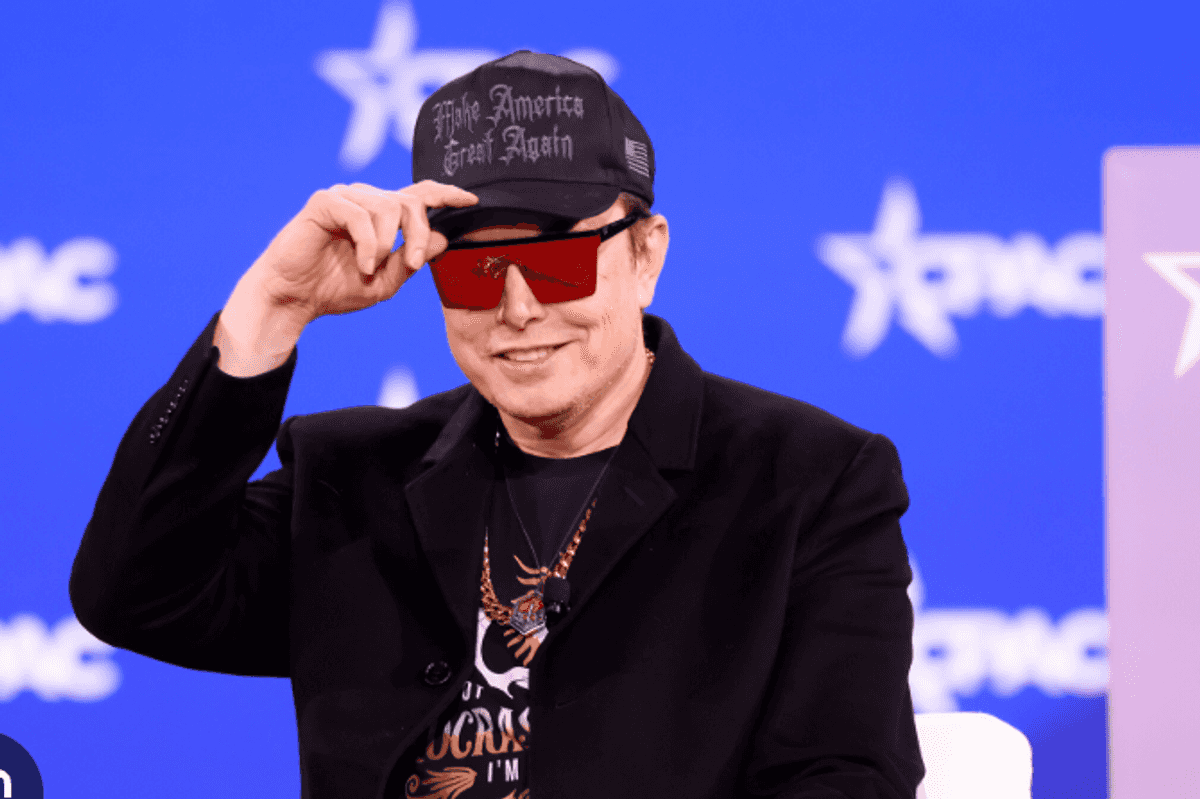
Elon Musk
Our billionaires seem to be in a competition for most awful human being. We have Larry Ellison, along with son, taking over CBS and immediately destroying its prized news show, 60 Minutes. They appointed Bari Weiss, a right-wing apparatchik, to oversee CBS’s entire news operation. She has immediately sought to make the news more Trump-friendly. This has led to many reporters being fired and threats to others to make their reporting toe the Trump line or risk being fired. Many of the network’s longest-serving reporters just quit.
The fun doesn’t stop here. The Ellison clique is also getting control of CNN through Paramount’s takeover of Warner Bros. Presumably we can look forward to more Trump-friendly reporting there also.
To be clear, neither of these networks was a paragon of objective reporting before the Ellison family takeover. Both networks regularly marginalized and belittled progressives in the U.S. and around the world. But they did at least have an ostensible commitment to objectivity, unlike, say, Fox News.
Then we have Mark Zuckerberg, who seems to view the huge Meta social media platforms as important mechanisms for pushing his political agenda. Last Saturday, the Instagram site for the No Kings march went down for four hours, exactly when it was being most widely used. Meta claimed there was no political motive; it was just incompetence.
We might be more inclined to accept the incompetence story if there wasn’t a comparable picture in Brazil in the lead-up to its presidential election. Lula, the incumbent president, is locked in a tight race with Flavio Bolsanaro, a right-winger who is openly allied with Donald Trump. It seems that the sites of supporters of Lula and his supporters have repeatedly run into the same sort of technical difficulties with Meta.
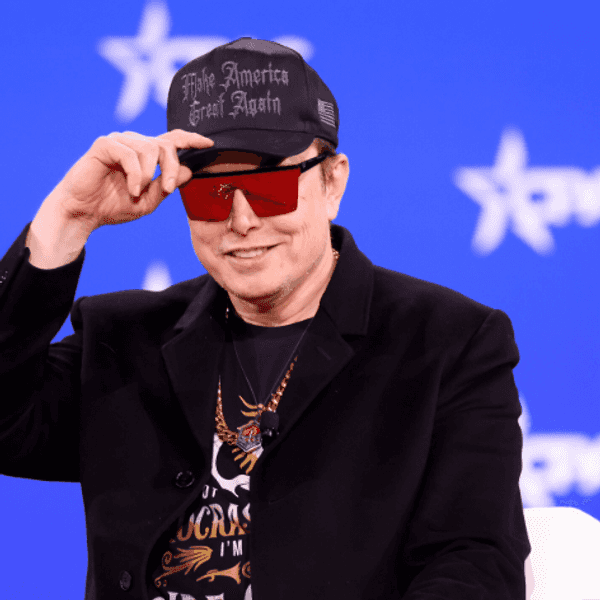
Then we go to everyone’s favorite evil billionaire, Elon Musk. Musk bought Twitter with the explicit intention of using it as a vehicle to support his politics. He not only opened the gates to all sorts of racist, sexist, and harassing material; he has throttled the accounts of many progressives so that their comments are less widely viewed.
Musk also has teamed up with Ellison, who was given a controlling stake in TikTok, after Donald Trump wrestled it away from its Chinese owner. TikTok decided to suspend the account for the documentary Musk, just before its initial release. Musk apparently gave the film a bad review, which was enough to get it banned from TikTok for at least a period of time. Musk is also contributing hundreds of millions of dollars to get some of the most awful people on the planet elected as governors or senators.
This crew of centibillionaires sees the purpose of government to make themselves ever richer, and are prepared to use their money to ensure that it does. Their use of campaign contributions for this purpose is widely recognized, but that is only part of the story.
Their control of major media outlets is at least as important. If a television or radio ad can affect people’s votes, then surely what people hear between the ads also can affect their votes.
Allowing the rich to dominate the media and social media to the extent they do is at least as much an offense to democracy as their hundred-million-dollar campaign contributions. It is essential to weaken their control.
One good place to start would be reforming Section 230 of the Communications Decency Act, which exempts the huge social media platforms from liability for third-party content. This gives social media platforms an advantage over broadcast and print outlets, which are liable for harms (defamation or fraud) caused by third-party content. Fox News famously paid out $787 million for spreading third-party lies about the 2020 election. Section 230 can be amended in a way that levels the playing field and favors smaller non-profit or subscription-supported platforms.
The other route is to increase support for alternative media. There has been serious progress in this area. The Local News Act was recently signed into law by California Governor Gavin Newsom. This measure gives a subsidy of up to $20,000 per reporter for news outlets to cover local news. Several other states are considering similar measures.
It’s a long way from measures giving modest subsidies for local news to the multibillion-dollar media outlets and social media platforms that dominate what people see and hear. But these are an important foot in the door. If these measures succeed and are popular, they can spread to other states and possibly be implemented nationally.
In any case, if we are serious about limiting the ability of the billionaires to buy democracy, we have to go beyond worrying about campaign contributions. If they control everything we see and hear in the media and on social media, they won’t have to spend a penny on elections to keep their candidates in power. Those concerned about democracy need to recognize this fact.
- Elon Musk Has Driven Away Half Of Twitter's Top Advertisers Already ›
- No, We Don't Need Billionaires -- Or Gross Inequality -- For Prosperity And Progress ›
- California's Wealth Tax Vote: A Chance To Register Public Opinion Of Billionaires ›
- Billionaires Can Seem Like Saviors to Media Companies, but They Come With Risks - The New York Times ›
- Billionaires Are Buying up Media Companies — and Public Opinion - Fair Observer ›
- Billionaires Want to Buy Media Companies Again After OpenAI TBPN Deal ›
- The Tech Titans and Billionaire Heirs Who Own America’s Newsrooms | Observer ›
- ‘Extra level of power’: billionaires who have bought up the media | The super-rich | The Guardian ›
- These 15 Billionaires Own America's News Media Companies ›
Start your day with National Memo Newsletter
Know first.
The opinions that matter. Delivered to your inbox every morning