Tag: jon husted
jon husted

Backing Data Centers, Ohio Republican Took Over $600K From Big Tech

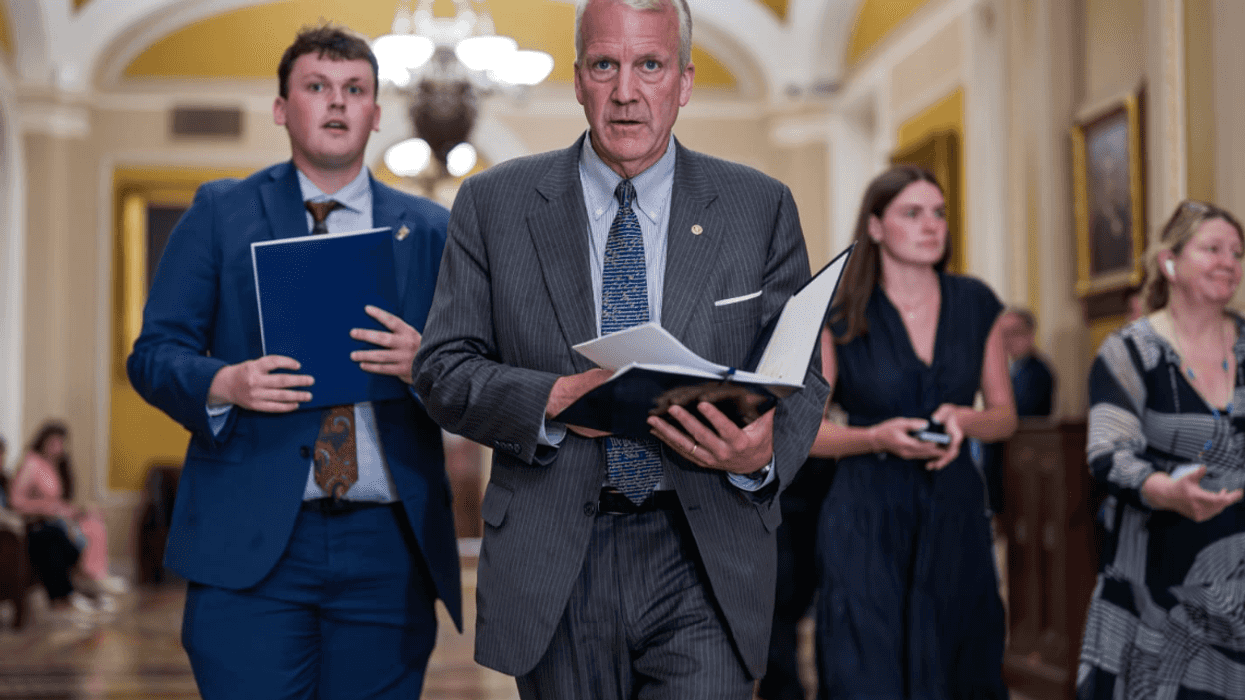
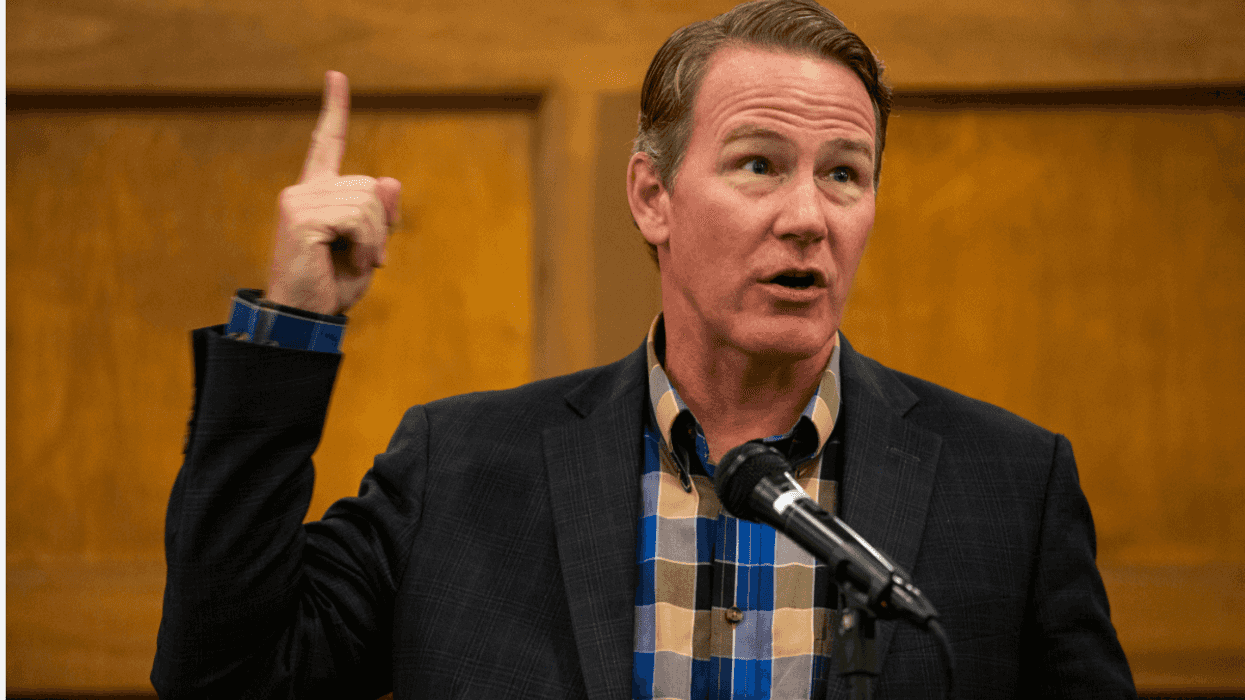
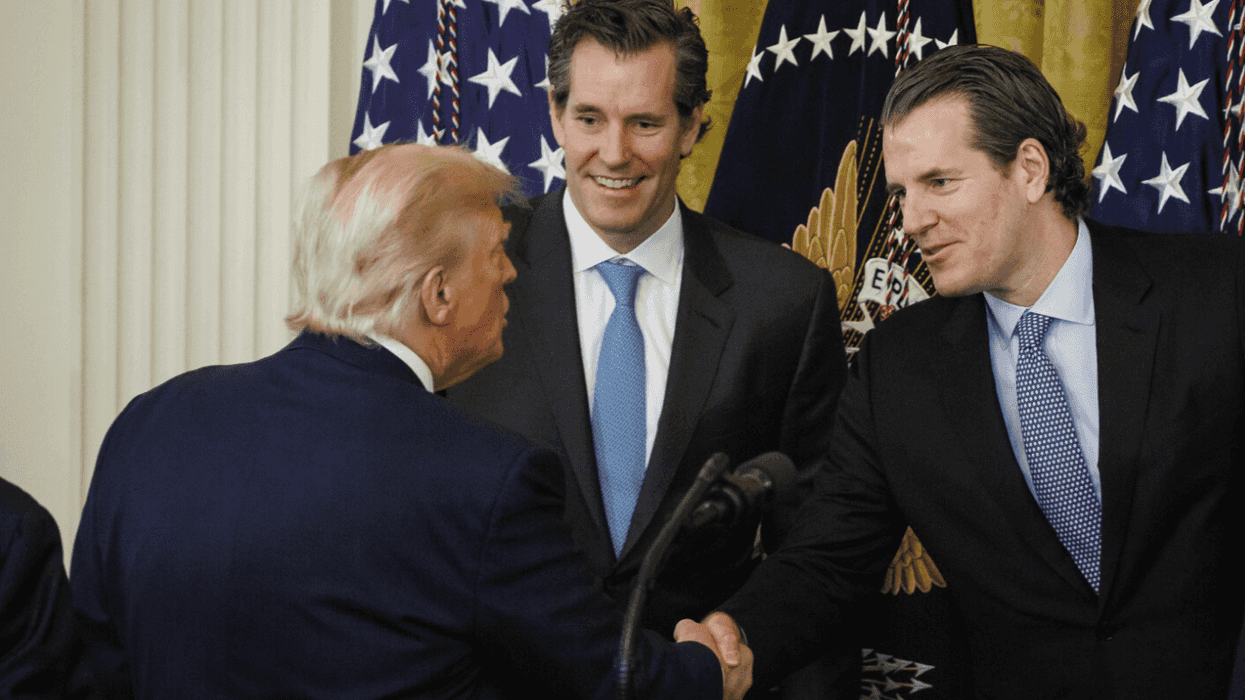
Sen. Jon Husted (R-OH) has pocketed more than $630,000 from data center proponents over the last two decades. It may explain why he fought to bring more data centers to Ohio.

There are currently 240 active or under construction data centers in the state. The facilities, which provide the computing power needed to train and run AI systems, use large amounts of electricity and water and have been blamed for rising utility costs.

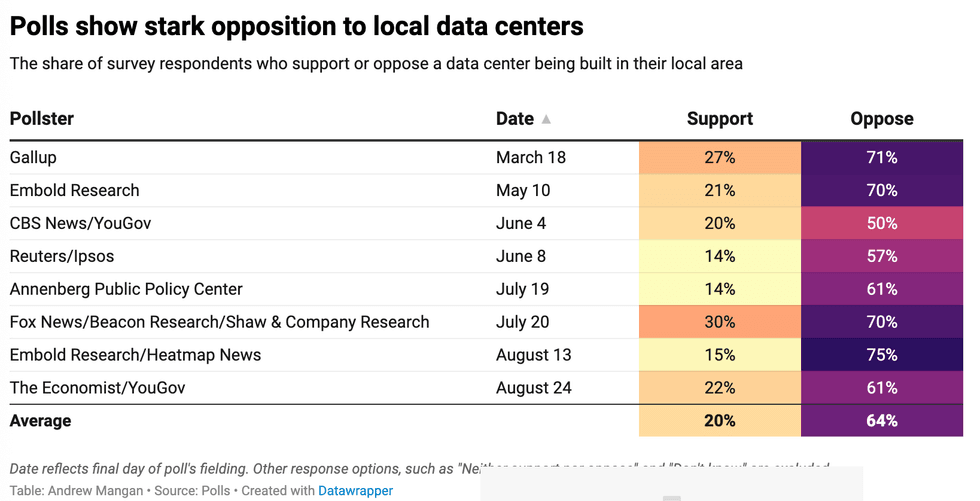
A recent New York Times/Siena poll found that 61% of Americans oppose building data centers in their communities. This backlash has made data center policy a major issue in the upcoming elections.

Husted has held multiple political offices in Ohio since 2001. He was appointed to the U.S. Senate last year to fill the seat vacated by Vice President J.D. Vance.

A review of campaign finance records spanning Husted’s career indicates that he has received $631,284 from companies that own and operate data centers, employees who work for those companies, and lobbyists who represent those companies’ interests. This includes individuals associated with Amazon, Google, and Microsoft.

As lieutenant governor from 2019 to 2025, Husted pushed to expand the use of AI in state and local government, including in public schools. This made Ohio a hotbed for the AI industry and accelerated the construction of data centers across the state.

Signal Ohio reports that Ohio data centers received $2.5 billion in state and local tax incentives between 2017 and 2024. This includes a sales tax exemption for data centers that Husted personally championed. The exemption helped pave the way for a Google-run data center in New Albany.

In the Senate, Husted supported the sweeping One Big Beautiful Bill Act (OBBB), which significantly expanded federal tax incentives for data centers. House and Senate Democrats are now pushing to repeal those incentives.

One of Husted’s first hires as a senator was senior advisor Sean Dunn, an Ohio-based lobbyist who had done work on behalf of Meta, another data center giant. The Washington Sun reported in June that Dunn continued to work as a lobbyist while employed by Husted.

Dunn has personally donated more than $94,000 to Husted’s various campaigns.

Husted is seeking his first full U.S. Senate term this year. His Democratic opponent, former Sen. Sherrod Brown, has put out multiple ads criticizing Husted’s data center record. Brown has endorsed legislation that would require data centers to pay the full cost of their utilities.
Pushing Unpopular Data Centers Is Trump's Latest Midterm Gift To Democrats

Pushing Unpopular Data Centers Is Trump's Latest Midterm Gift To Democrats

President Donald Trump on Monday vigorously defended unpopular AI data centers, saying those who oppose the resource-sapping warehouses “want to end up being backwards and poor.”

“The only reason that communities throughout the U.S.A. should not want Data Centers is if they want to end up being backwards and poor,” Trump wrote in a post on Truth Social. “If they want to be successful and rich, with far lower taxes and jobs all over the place, let Data Reign. The good news is that there are plenty of other places that want them. If we kill the Golden Goose, you will only have yourselves to blame. China could not be happier with this anti Data Center movement. Actually, they can’t believe it is happening!”

Trump’s post insults Americans’ intelligence in order to defend Big Tech, and it comes as polling shows bipartisan opposition to data centers. It’s a rare point of political alignment in these polarized times.

That opposition stems from how the data centers use considerable amounts of natural resources, drive up electricity costs for consumers, and bring less long-term economic benefit for their surrounding areas than tech companies often promise.

Earlier this month, National Republicans released a memo saying GOP candidates who defend data centers are in trouble over the issue, and suggested that Big Tech should run advertising to defend them or risk hardened opposition to data centers that power their AI models.

The memo specifically named Republican Sen. Jon Husted of Ohio as being negatively impacted by his support for data centers. It said that his reelection is imperiled due to the Democratic ad campaign highlighting Husted’s support for the issue.

Yet Husted hasn’t stopped simping for data centers, even as it hurts his campaign. On Monday, he appeared on NewsNation to extoll the virtues of data centers.

“There are literally communities in our state that have welcomed data centers who are seeing their local property taxes get cut dramatically as a result of the new revenue that comes in,” Husted said.

Ultimately, Trump’s full-throated support for data centers will test GOP voters’ opposition to the issue.

In the past, Republican voters have quickly adopted Trump’s positions on issues. But given that even many GOP voters are souring on their Dear Leader, it’s unclear whether they will change their minds.

A Fox News poll from July showed that a majority of every demographic group—including Republicans and MAGA Republicans—opposed the construction of a data center in their area. And responses to Trump’s Truth Social post show that his MAGA diehards are not taking his side this time.

At the end of the day, supporting data centers has become so politically toxic that Republican candidates and lawmakers are starting to come out against them. But given that Trump demands that GOP lawmakers adopt his views and defend his positions, Republicans could be forced to drop that opposition and defend data centers.

Leave it to Trump to take a position that could further imperil his party in the midterms.

Dan Sullivan

Social Security Cuts? Republican Nominees Dancing On Political Third Rail

Nearly every Senate Republican facing a tough reelection fight this year has flirted with cutting Social Security, the federal program that keeps 58 million seniors out of poverty.

Polling suggests that cutting the program is deeply unpopular, which is why it is often referred to as “the third rail of electoral politics.” A recent AARP survey found that 82 percent of American adults view Social Security as “very important.” Half of those enrolled in the program say they would not survive financially if their benefits were cut.

The issue reemerged last year when Treasury Secretary Scott Bessent said the White House’s tax-deferred investment accounts for newborns, known as “Trump accounts,” were a “backdoor for privatizing Social Security.” The accounts were part of the One Big Beautiful Bill Act (OBBB), which passed the House and Senate with only Republican votes.

Alaska Sen. Dan Sullivan celebrated OBBB’s passage and falsely claimed that the law “doesn’t touch Social Security.” The law will cut $1 trillion from Medicaid over the next decade to fund tax breaks that primarily benefit wealthy people. Those tax breaks will create less revenue for the Social Security trust fund, speeding up the program’s insolvency.

In 2014, when he was first running for the Senate, Sullivan suggested raising the retirement age and delaying Social Security benefits for future generations. He said “a younger generation of Alaskans or Americans can accept” such a change.

Sullivan is seeking a third term this year. His Democratic opponent is former Alaska Rep. Mary Peltola.

Florida Sen. Ashley Moody called OBBB “historic” when it passed and promised “this is just the beginning, and with President Donald Trump, we will not stop pushing forward.”

Moody was also a big fan of DOGE, the White House initiative that fired 14 percent of workers at the agency responsible for administering Social Security. This led to several Social Security field offices shutting down and longer wait times for those filing claims. Moody voted against multiple budget amendments to restore this funding.

More than five million of Moody’s constituents are enrolled in Social Security. She was appointed to the Senate last year to fill the seat vacated by Secretary of State Marco Rubio. She is now running for a full term against Democratic state Rep. Angie Nixon.

Like Moody, Ohio Sen. Jon Husted also voted for OBBB and against reversing DOGE cuts. He then went a step further by proposing a constitutional amendment that would compel Congress to balance the federal budget.

Currently, Social Security is mostly funded through payroll taxes. Those funds are held by the U.S. Treasury and disbursed to beneficiaries. Any surplus funds are invested in special Treasury bonds that are drawn on when tax revenues fall short.

A balanced-budget amendment would essentially make it illegal for the federal government to spend more in a given year than it collects in revenue. If tax revenues are insufficient to fund Social Security, the government would be prohibited from drawing on the bonds to make up the shortfall. The Center on Budget and Policy Priorities says this would inevitably lead to a cut in services.

The AARP says such a plan would be “devastating for millions.”

Husted will face former Ohio Democratic Sen. Sherrod Brown in this year’s election. Brown co-sponsored the 2024 Social Security Fairness Act that increased benefits for public workers.

Maine Sen. Susan Collins did not vote for OBBB, but she did vote to allow the legislation to be debated, clearing a key procedural hurdle and setting the stage for its eventual passage. North Dakota Sen. John Hoeven said Collins was a “team player” for doing so.

Collins has cast multiple votes weakening Social Security in her 29-year career, including a 2003 vote against creating a Social Security reserve account and a 2011 vote against tabling a budget bill that proposed cutting the program.

Collins is running for reelection this year against Democratic state Sen. Troy Jackson.

The Democratic Senatorial Campaign Committee (DSCC) plans to make Republican hostility toward Social Security a major issue in the midterms.

“In November, voters will reject Republicans’ attempts to put this critical program on the chopping block by electing a Democratic Senate majority that will stand up for seniors and protect Social Security,” says DSCC spokesperson Maeve Coyle.

Reprinted with permission from American Journal News

Senate Republicans Beg Big Tech To Boost Husted's Failing Ohio Campaign

Senate Republicans Beg Big Tech To Boost Husted's Failing Ohio Campaign

Republicans are losing in Ohio and they're starting to panic, according to an internal memo released Wednesday.

Axios reporter Alex Isenstadt obtained a revealing memo from the National Republican Senatorial Committee (NRSC), posting it on X Wednesday. A recent Fox News poll shows that former Sen. Sherrod Brown continues to hold a lead over appointed Sen. Jon Husted (R-OH). But the NRSC claims it's a dead heat.

According to the memo, Republicans in Ohio know that they can't win on economic issues and instead are pivoting to talk about something else: promoting AI data centers. To do it, they desperately need "big tech" to help.

"Campaigns or party committees can not fix the toxic brand of an entire segment of the economy," the memo revealed "The companies that need these projects built have to fix how Ohioans see them: who benefits, who pays and why a community should want one. Until that happens, the issue will continue to dominate this race. If it is still this potent in November, elected officials everywhere will treat Ohio as their reason to work against data centers in the future. If voters' perceptions of data centers are not fixed quickly, the campaign against them will expand far beyond Ohio."

Former MS NOW host Chuck Todd called it "really quite striking that the NRSC isn’t beating around the bush ... they are begging for big tech to bring in reinforcements pronto in Ohio."

Husted has been promoting tax cuts to bring in more data centers, while Brown is against them, arguing that large tech corporations shouldn't receive public subsidies while also driving up water and energy bills for locals.

"If [Husted] loses and data centers get the blame, politicians across the country will take notice — and they will not go near the next one," the memo says. "This has become a sleeper issue for the entire election cycle."

Axios explained that tech CEOs and top Republicans are quickly realizing that while Americans like using AI, they don't want all of the bad things associated with it.

"They tell us internal polls show data centers are as popular as spent nuclear waste, and more broadly have become a proxy for feelings about AI," said Axios.

There are already 4,000 data centers across the country, the report said, and there are plans for at least 3,000 more. A May Gallup poll showed that 7 in 10 Americans oppose building the AI data centers.

Brown spent much of the summer pressing an ad campaign that attacked Husted as "the face of data centers in Ohio."

Reprinted with permission from AlterNet


Shop our Store

Headlines

Editor's Blog

Trending

World