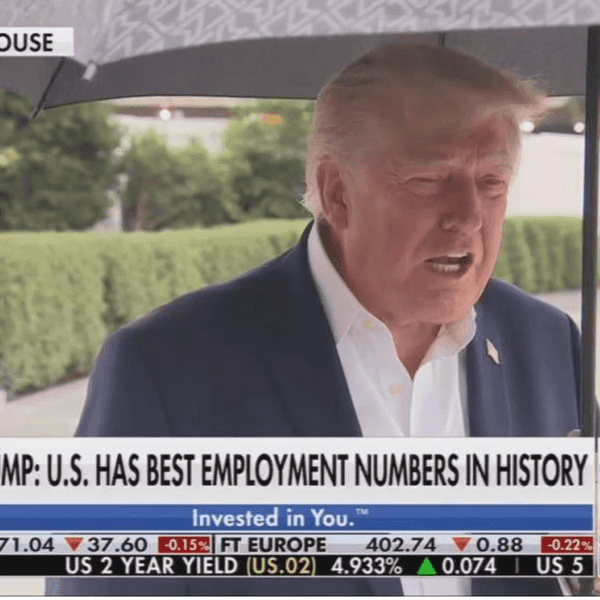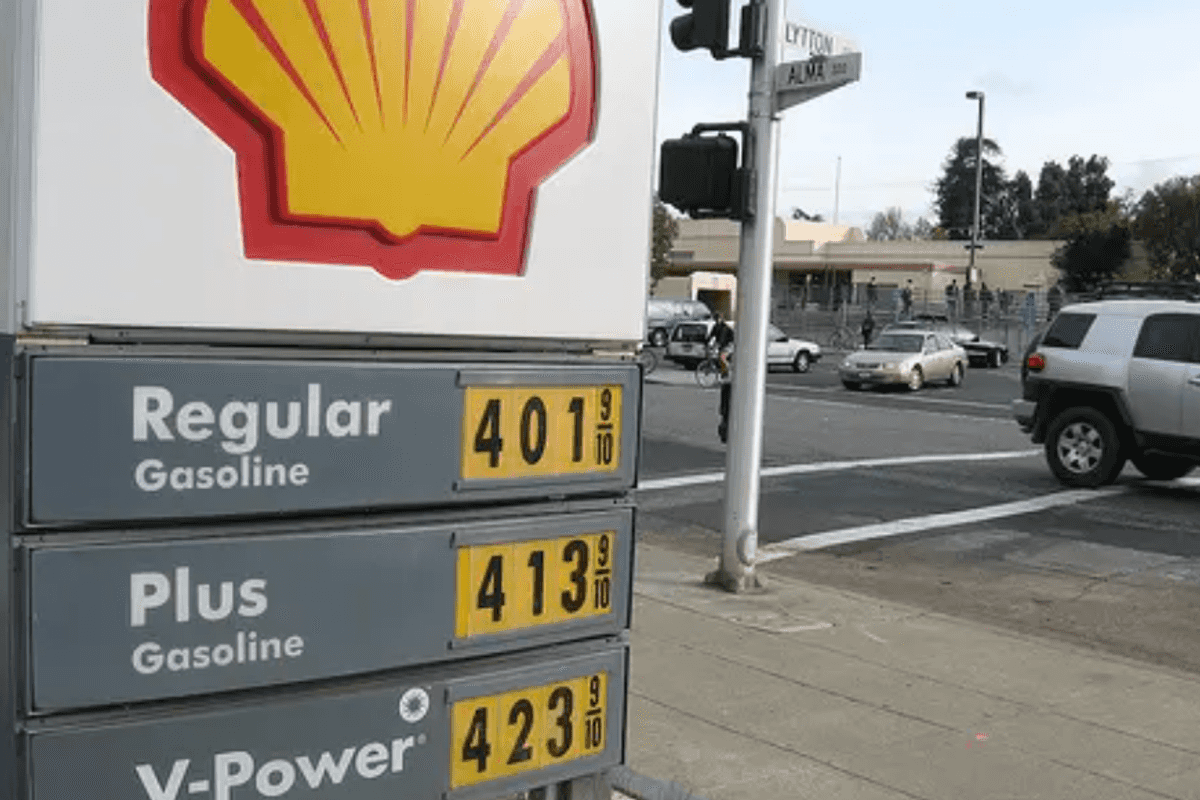
The Stanford Institute for Economic Policy Research team of Caleb Brobst, Ryan Cummings, Neale Mahoney and yours truly has updated our estimate of how much more people will pay, on average, to fill their tanks due to the impact of war on the oil cost. Our model runs off of Goldman Sachs’ predictions of the war’s impact on the oil price and since they just updated that estimate, we can run the new numbers through the model. (Axios featured our original estimate.)
The key figure is below. On the left, you see that GS now expects the price of Brent crude oil to peak at $115 up from $110, and stay higher from there through ‘26. You’ll also see the same “rockets and feathers” problem as in our original forecast, as the oil price falls a good bit faster than the gas price (the reason has to do with retail market power and consumer search costs; see here and related links).
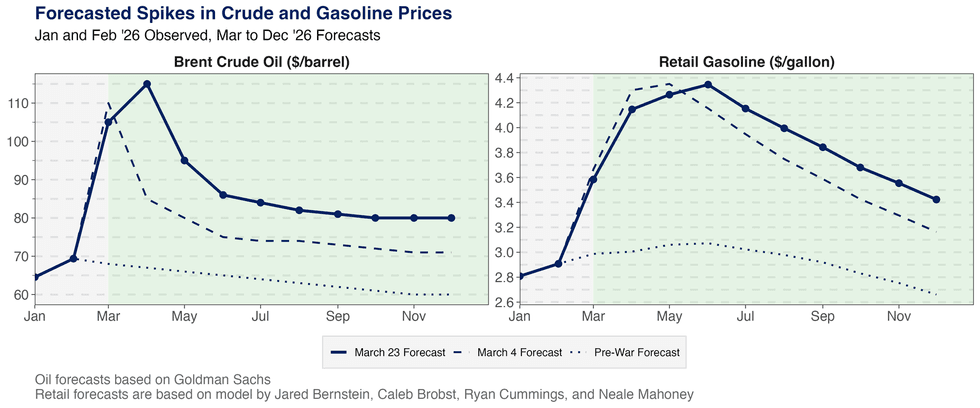
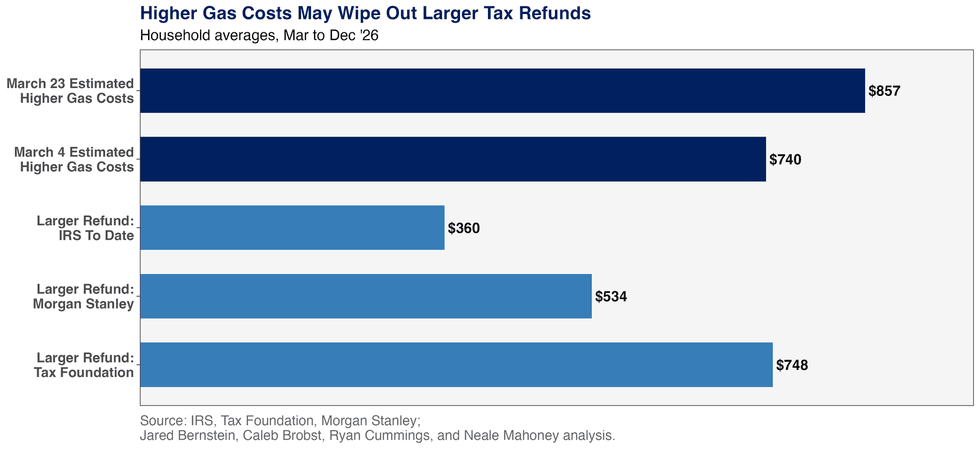
We then multiply the increase in the gas price per gallon times miles driven, finding that the average driver (of a non-EV, of course), will spend about $860 more on gas this year, up from $740 in our original estimate. For reference, note that this swallows the expected larger tax refunds this year from the Republicans' big budget bill.
Based on rumors of talks to dial back the conflict and reopen the Strait, the oil price is down over the past few days, or, more accurately, it’s bouncing around. It’s $102 (Brent) as I write, up from about $70 pre-war; the average gas price is $3.98, up more than a dollar from a month ago. But given the uncertainty about where the war is heading, amplified by the utter non-credibility of Trump and his administration re any public statements about this, there are inevitably wide confidence intervals around our model-based estimates.
But we’re right about the direction of travel, which has, as you know if you’ve filled up lately, gotten a lot more expensive. This represents a hit to disposable income and therefore is likely to ding consumer spending and growth in the months to come. The degree of the hit is proportional to the duration of the war, which runs us headlong into the unfortunate combination of uncertainty and non-credibility.
The problem is we’ve got the usual fog of war amped up on steroids by the fog machine which is team Trump’s communications operation.
Jared Bernstein is a former chair of the White House Council of Economic Advisers under President Joe Biden. He is a senior fellow at the Council on Budget and Policy Priorities. Please consider subscribing to his Substack.
Reprinted with permission from Econjared.
- War's Oil Shock May Not Sink Economy, But Trump Policy Still Perilous ›
- Rising Gas Prices Enraged Republicans Under Biden, But Not Any More ›
- Fortunes Of War: How Will Trump Deal With Spiking Gasoline Prices? ›
- Terrified By Iran War's Impact On Gas Prices, Republicans Try Blaming Democrats - National Memo ›
- Iran war rages with no end in sight and global economy on the brink ›
- Oil and gas prices rise again after Iran attacks production facilities | Oil | The Guardian ›
- US drivers see gas prices jump to their highest level since 2023 as the Iran war drags on ›
- Gas, oil prices soar as Trump threatens to blow up South Pars gas field and Iran intensifies Gulf retaliation ›