Greg Brockman
Some of the biggest groups supporting Republican U.S. Senate candidates are bankrolled by entities pushing for more data center development.
The National Republican Senatorial Committee (NRSC), Senate Leadership Fund (SLF), and MAGA Inc. have collectively received millions from Amazon, Meta, OpenAI, and other major data center proponents.
Data centers, which provide the computing power needed to run artificial intelligence (AI) systems, have become controversial for their excessive use of electricity and water, which has contributed to rising utility costs.
A recent ABC News poll found that 66 percent of Americans oppose building more data centers in the United States, while 72 percent specifically oppose building data centers in their communities.
The NRSC is the main committee working to elect Republicans to the Senate. It provides campaigns with fundraising, advertising, and organizational support. Axios reported last month that the group was pumping $46.5 million into eight competitive states, with most of it going to Ohio and Iowa.
Since January 2025, the NRSC has collected more than $434,000 from corporate executives at Amazon, Google, Meta, Microsoft, Oracle, and Vantage, all of which rank among the top 20 largest data center companies in the United States. Amazon, Meta, and Microsoft are the top three.
Corporate PACs representing Amazon, Microsoft, and Oracle contributed $70,000 to the NRSC during this same period.
The group also took in $1.9 million from executives at private equity and asset management firms invested in data center development: $510,534 from Andreessen Horowitz executives, $599,200 from an Apollo Management executive, $100,000 from an Ares Management executive, $117,600 from Blackstone executives, $85,600 from a Blue Owl Capital co-president, $250,000 from Capital Group executives, $140,000 from KKR executives, and $171,500 from the Stonepeak CEO.
SLF is the main super PAC aligned with Republican leadership in the Senate. The Washington Post reported in September that the group had spent $145 million on advertising for federal races thus far this cycle, more than any other group.
Last year, SLF took in a staggering $10 million from Elon Musk, whose SpaceX company has spent more than $23.6 billion on data center infrastructure in the first half of 2026 alone.
SLF has also received more than $20,000 from Blackstone and Apollo Management executives.
MAGA Inc. is the main super PAC supporting President Donald Trump. It reserved $49 million in advertising for Republican candidates in battleground states last month through its offshoot, No Going Back PAC.
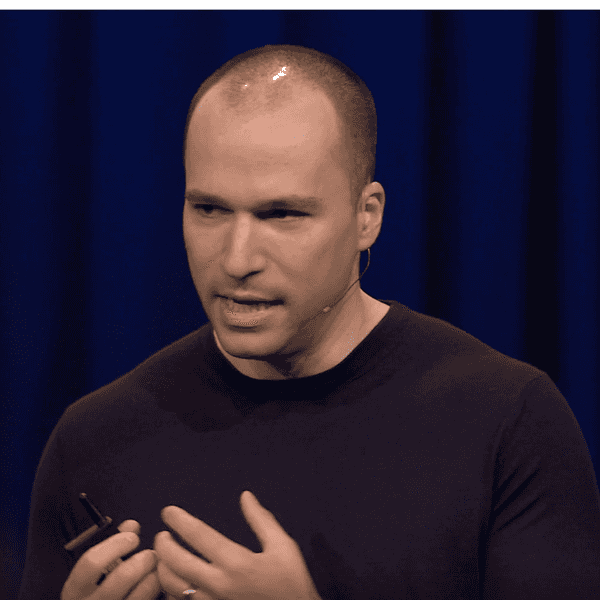
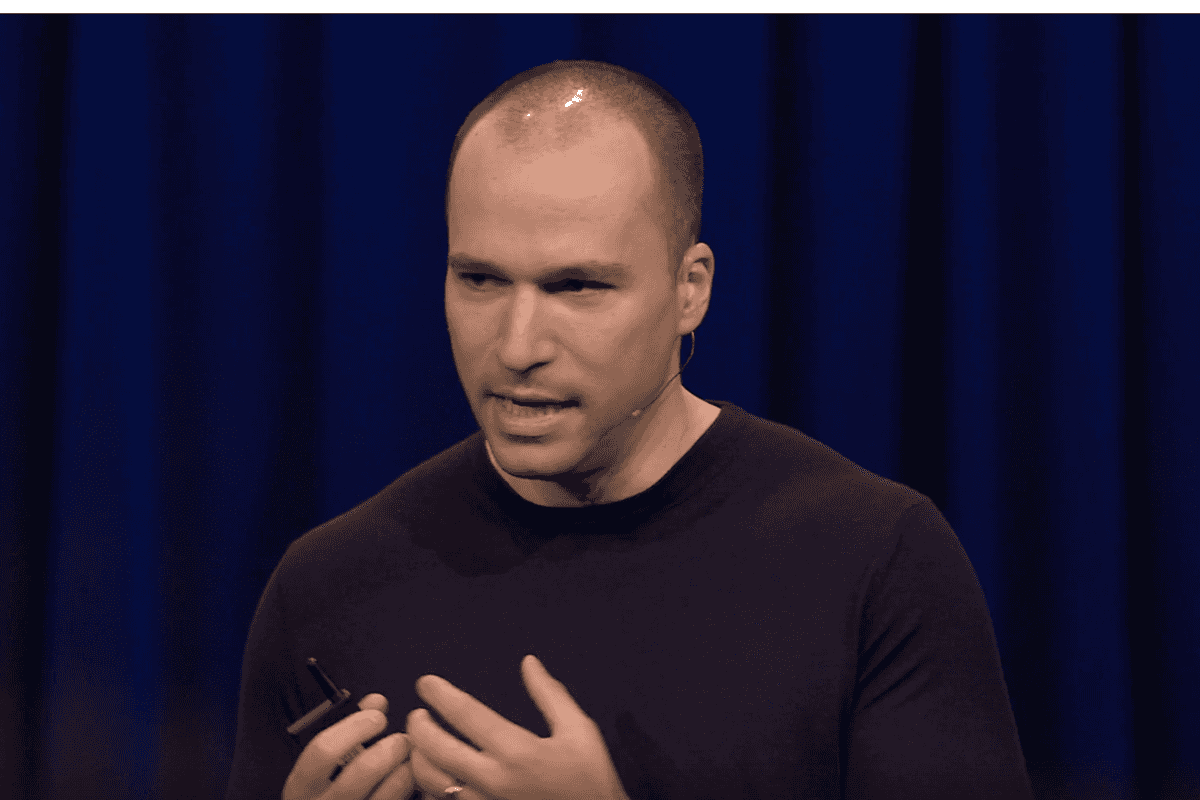
MAGA Inc. took $5 million from Musk in June 2025. But its most eyebrow-raising contribution was $12.5 million in September 2025 from OpenAI president Greg Brockman. It took in another $12 million from multiple executives affiliated with Andreessen Horowitz.
Bloomberg News reported in July that OpenAI was planning to spend $30 billion on data center development in Georgia. No Going Back PAC has given financial support to Mike Collins, the Georgia Republican challenging incumbent Sen. Jon Ossoff.
Republicans elected to the U.S. Senate this year will likely vote on legislation governing data center development and AI more broadly.
Senate Republicans tried to get ahead of the issue by advancing the Ratepayer Protection Act, a bill that would theoretically require large data centers to cover their own electricity costs rather than passing them on to consumers.
Senate Democrats say the legislation is toothless, noting that while it requires state public utility commissions to hold hearings and consider standards for data center cost-sharing, those standards are not required to be enacted.
“It’s just fakery to try to fool voters into forgetting that Republicans spent the entire term trying to stop states from regulating AI,” Connecticut Sen. Chris Murphy told Yahoo Finance.
The Ratepayer Protection Act failed to pass the Senate on September 30.
Reprinted with permission from American Journal News
- 'High IQ' Trump Says Nobody But He Should Regulate Artificial Intelligence ›
- Church Leaders Rebuke Far-Right Billionaire Thiel Over Obsession With 'The Antichrist' ›
- Behind Platner 'Scandal' Headlines, The Untold Story Of A Combat Marine And His Scars ›
- Trump ballroom's biggest donors were overwelmingly tech and telecom companies - Engadget ›
- Big Tech firms make large donations to Trump, raising concerns over policy favors ›
- Revealed: the tech bosses who poured $394.1m into US election - and how they compared to Elon Musk | US political financing | The Guardian ›
- President Trump awards Big Tech donors with nation's highest science prizes | TechCrunch ›
Start your day with National Memo Newsletter
Know first.
The opinions that matter. Delivered to your inbox every morning