Tag: mike collins
Ashley Hinson

Vouchers? Cutbacks? GOP Senate Candidates Threaten Medicare And Medicaid

Medicare and Medicaid have been around for 61 years, but they may not make it to 62 if the GOP retains control of the U.S. Senate.

Several Republicans competing in marquee Senate races have expressed an interest in cutting or eliminating both programs, which provide health insurance to more than 123 million people. Medicaid covers low-income Americans, while Medicare is for those 65 and older or with disabilities. About 13 million people are enrolled in both programs.

Medicaid took a major hit last year when House and Senate Republicans passed the One Big Beautiful Bill Act (OBBB), a sweeping budget law that will cut $1 trillion from the program to fund tax breaks for the wealthy. About 12 million Americans are expected to lose health insurance as a result.

Florida GOP Sen. Ashley Moody celebrated OBBB’s passage, even though it will rip health insurance away from 2.2 million of her own constituents.

“Today is a historic moment for the American people—especially Florida families who will have thousands of their hard-earned money back in their pockets,” Moody said in a July 2025 press release, shortly before OBBB became law.

The law also hit hospitals and health care providers that depend on Medicaid reimbursements for revenue. These providers are often in rural or low-income areas where patients are more likely to be Medicaid recipients. A Health Justice Project analysis found that 23 percent of Florida’s rural hospitals were at risk of closure before the cuts took effect, making the outlook even worse.

A similar dynamic is at play in Alaska, where OBBB has put at least seven hospitals, clinics, and nursing homes into dire straits. GOP Sen. Dan Sullivan supported OBBB, promising it would “unleash Alaska’s private sector economy” and “benefit hard-working families.”

Sullivan has also cast multiple votes threatening Medicare, including voting to advance a 2017 budget resolution that sought to turn it into a voucher program.

Under the current system, Medicare reimburses hospitals and providers that treat Medicare enrollees. Under vouchers, Medicare recipients would receive funds directly to pay for care or purchase private insurance plans.

Health policy experts say vouchers would be unlikely to keep pace with inflation, forcing seniors to spend more out of pocket. Vouchers would also further reduce revenues for providers that treat Medicare beneficiaries.

Republican Sen. Susan Collins of Maine also voted to advance the voucher proposal. She cast a similar vote to advance OBBB, but did not support the bill in its final iteration.

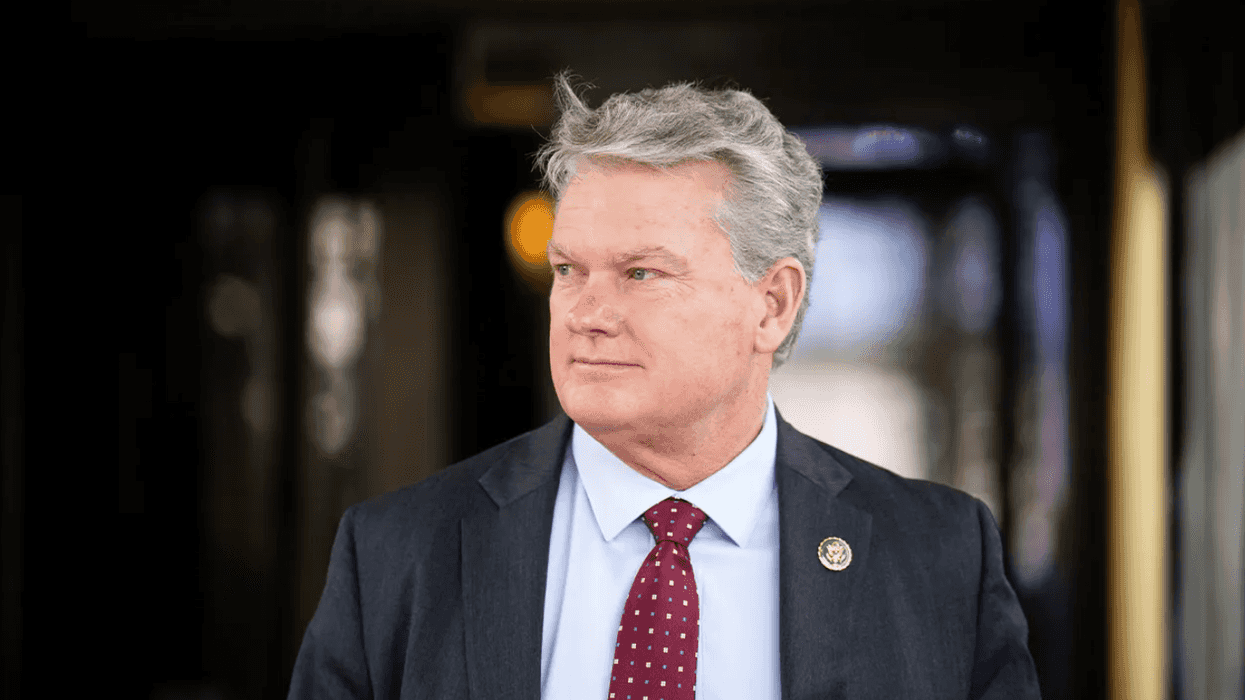
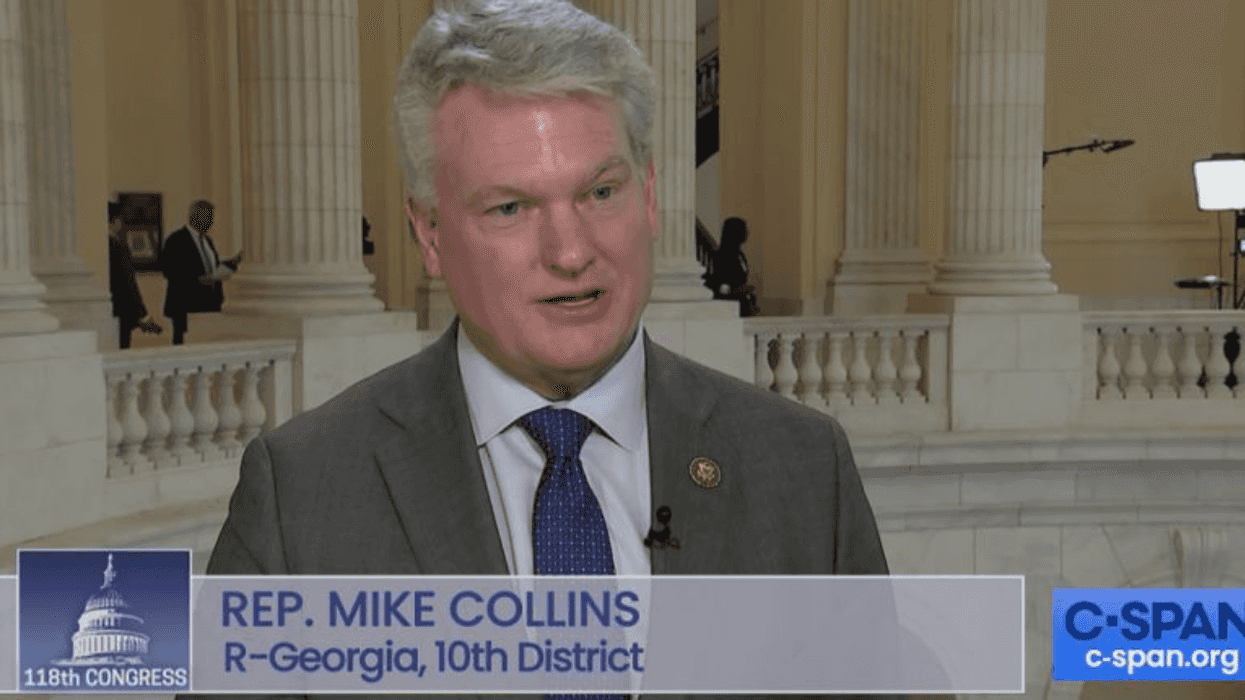
Georgia Rep. Mike Collins, who is now running for the U.S. Senate, helped whip votes to get OBBB over the finish line in the House. In June, WDRW reported that the law’s Medicaid cuts were endangering access to therapy for hundreds of special-needs kids.

“I don’t know what to tell these patients and I hate it for them,” said Kate Phillips, director of patient services at TOTS, an Atlanta clinic offering pediatric speech and occupational therapy. “This is going to be catastrophic for them.”

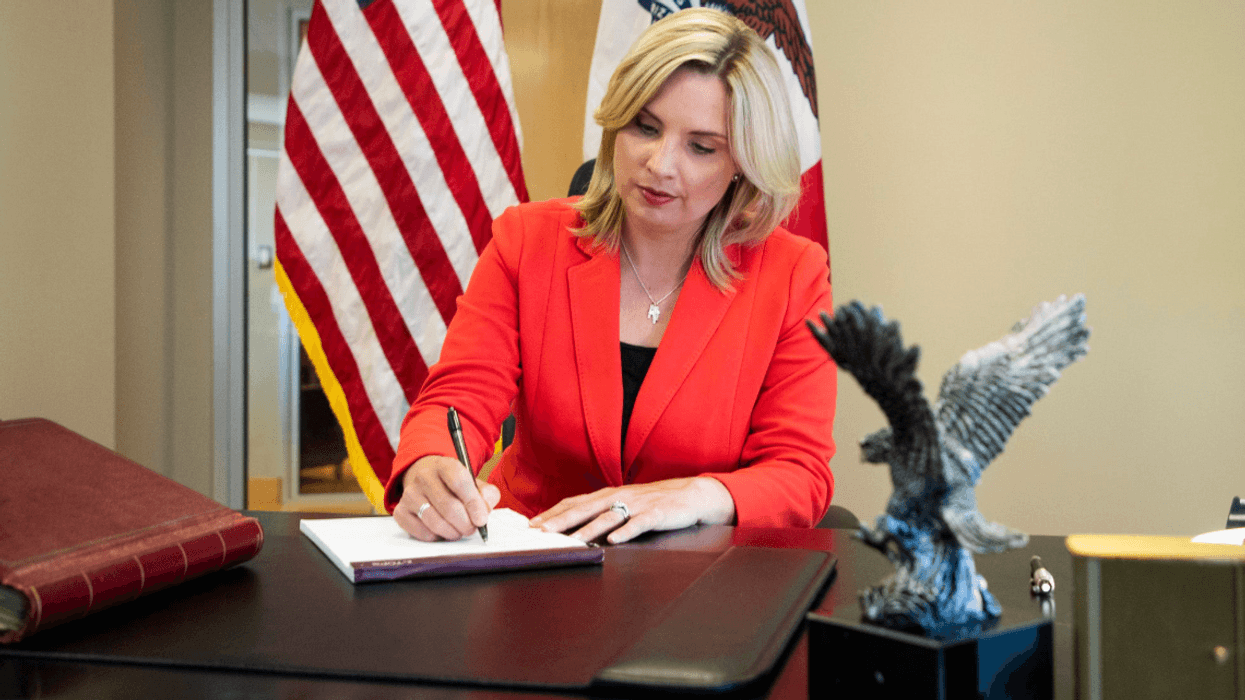
Iowa Rep. Ashley Hinson also backed OBBB and was a member of the House Republican Study Committee when it proposed turning Medicare into a voucher program.

All of these lawmakers have also shown a willingness to cut or eliminate the Affordable Care Act (Obamacare), which could put both Medicaid and Medicare at risk. Obamacare expanded access to Medicaid and extended the solvency of Medicare.

A KFF tracking poll finds that Medicaid and Medicare are extremely popular with American voters. About 82 percent have a positive view of Medicare, while 75 percent view Medicaid favorably. About 62 percent rank health care costs as their top economic concern.

The Democratic Senatorial Campaign Committee (DSCC), which works to elect Democrats to the U.S. Senate, is making Republican hostility to Medicaid and Medicare a theme of the upcoming midterms.

“Across the map, Senate Republicans are on record supporting cuts to Medicaid and Medicare, and now that they’ve put these programs on the chopping block in order to grant tax giveaways to their billionaire campaign backers,” said DSCC spokesperson Maeve Coyle.

The Cook Political Report, which evaluates the competitiveness of elections, currently ranks control of the Senate as a tossup.

Reprinted with permission from American Journal News

How Georgia GOP's Mike Collins Got Rich On Suspiciously-Timed Crypto Trades

How Georgia GOP's Mike Collins Got Rich On Suspiciously-Timed Crypto Trades

Georgia Rep. Mike Collins made a small fortune trading cryptocurrencies. Some are wondering if the Republican used insider information to do it.

Collins, who is now a GOP candidate for the U.S. Senate, has made up to $745,000 in crypto transactions since first entering office in 2023. His net worth has increased since then by an estimated $2.5 million.

Personal finance disclosures suggest that some of these transactions were suspiciously timed. Last year, for example, Collins made lucrative crypto trades as Congress was considering the GENIUS Act, a law that created the first federal rules for stablecoins, a type of cryptocurrency.

Any news about the GENIUS Act was likely to have an impact on the value of the assets Collins was swapping. It would be like a congressperson buying ExxonMobil stock before introducing a bill that is favorable to the gas industry.

For stocks, these crimes are prosecuted as insider trading. For crypto, it’s often wire or commodities fraud.

The disclosures show Collins purchasing Ether, a cryptocurrency on the blockchain Ethereum, on April 30, 2025, when it was valued at $1,794. The next day, the GENIUS Act was introduced in the Senate and Ether’s value ballooned to $2,584.

There was no public announcement that the GENIUS Act would be introduced in the Senate on the day it was. It should be noted that while Ether is not a stablecoin, the law was considered a boon to the entire crypto industry.

Collins purchased Ether again on July 8, 2025, at a price of $2,616. The GENIUS Act passed the House nine days later, and Ether’s value ballooned again to $3,673, a gain of 40 percent.

A similar dynamic played out when Collins purchased the memecoin Ski Mask Dog. A meme coin is a cryptocurrency that generally has little value, but can sometimes become profitable when it is endorsed by a celebrity or receives online buzz.

Critics say memecoins are essentially designed for pump-and-dump schemes, where the price of an asset is artificially inflated before the biggest shareholders sell it off, maximizing their profits and collapsing the value for everybody else.

Collins purchased Ski Mask Dog several times between Sept. 10 and November 29, 2025. The X account Unusual Whales, which tracks unusual market activity, made a post flagging the purchases on December 3, 2025. Collins responded to the post with an image of Pepe the Frog, an internet meme that is sometimes used to convey a cool or savvy attitude.

Pepe the Frog is also used as a white supremacist symbol by the far-right.

Ski Mask Dog’s popularity exploded following the Unusual Whales post. Its trade volume went from $1,384,313 to $37,468161, a 2,606 percent increase.

Ski Mask Dog has since featured Collins in its promotional materials and advocated for him to be a presidential candidate in 2028.

In 2021, the House Ethics Committee fined North Carolina GOP Rep. Madison Cawthorn $14,000 for engaging in similar activity. Cawthorn invested heavily in the Let’s Go Brandon memecoin and then encouraged others to buy it while failing to follow disclosure rules.

Collins has denied on multiple occasions that there is anything improper about his crypto trades. There is no indication that he has been investigated for the transactions or accused of a crime.

Incumbent Sen. Jon Ossoff (D-GA), whom Collins will face in the November, has made cracking down on political corruption and self-enrichment a focus of his reelection bid.

An AARP poll from July showed Ossoff with a sizable lead over Collins. That margin is expected to narrow as the election gets closer.

Reprinted with permission from American Journal News

Endorsed By Trump, Georgia GOP Senate Nominee Made Millions Off Crypto

Endorsed By Trump, Georgia GOP Senate Nominee Made Millions Off Crypto

Georgia Rep. Mike Collins endorsed a ban on congressional stock trading while he was actively buying and selling cryptocurrency.

When a voter confronted Collins about this during an April meet-and-greet, he tried to claim that his activities were not corrupt because cryptocurrencies were immune from insider trading.

“I don’t know how you would manipulate crypto,” Collins said. “It’d be like trying to manipulate the dollar, the peso or something. But the stock trading, I don’t know how to do it … All I want to know is when people stop doing it. They’re getting insider information.”

Collins’ characterization is not accurate. While it’s true that cryptocurrencies are sold on digital exchanges rather than the traditional stock market, individuals can still use clandestine information to maximize their profits. Because cryptocurrencies are not securities, these cases are often prosecuted as wire or commodities fraud, as opposed to traditional insider tradinghttps://americanjournalnews.com/mike-collins-backed-stock-trading-ban-while-betting-big-on-crypto/.

In 2021, the House Ethics Committee fined North Carolina Rep. Madison Cawthorne $14,000 for promoting a cryptocurrency that he had a sizable stake in.

Many of the proposed bans on congressional stock trading, including ones that Collins has endorsed, would apply to cryptocurrencies as well.

Last month, Collins secured the Republican nomination for U.S. Senate in Georgia. His primary opponent, former football coach Derek Dooley, repeatedly attacked him over his cryptocurrency holdings.

“Collins treats Congress like his own crypto casino,” Dooley’s campaign wrote on X. “Georgians deserve leaders focused on service, not self-enrichment.”

This line of attack seems likely to continue into the general election. Incumbent Democratic Sen. Jon Ossoff has made cracking down on political corruption and self-enrichment a major focus of his reelection campaign.

At the same time, President Donald Trump has come under fire for raking in $1.4 billion from his family’s cryptocurrency business. Trump has endorsed Collins’ campaign.

A Fox News poll from earlier this month showed Ossoff leading Collins among likely voters by 13 points.

Reprinted with permission from American Journal News

Shop our Store

Headlines

Editor's Blog

Trending

World